
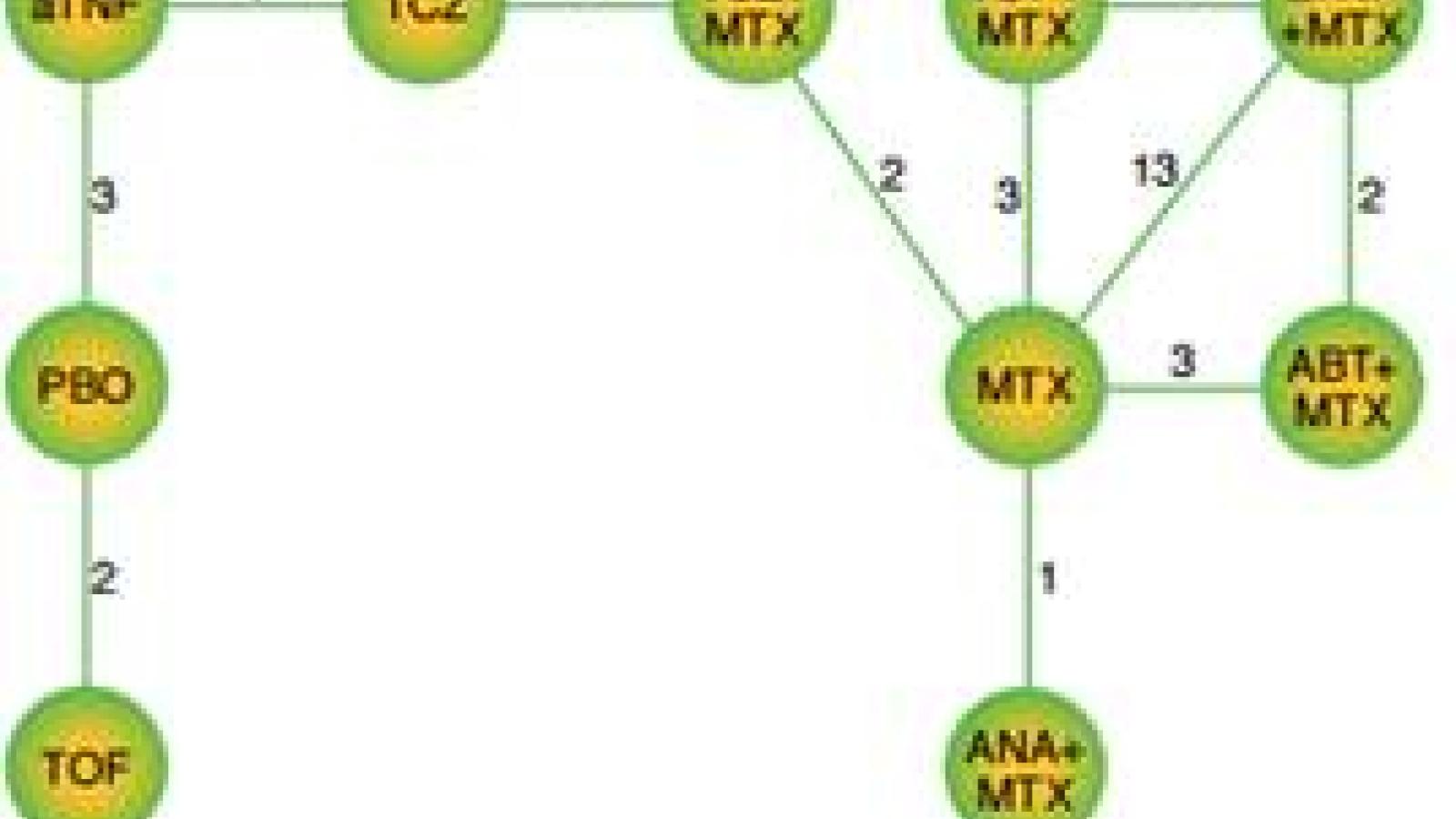
Randomized clinical trials are needed to show efficacy and safety, and are needed to back up the claims and indications for a particular drug. The issue of treatment choice has become challenging, especially when choosing to start or augment therapy. Do I aim for monotherapy or continue to advocate for combination therapy to achieve superior outcomes?
Part III covers talks on H. Zoster, biologics and SpA.

An advisory board has recommended osteoarthritis and a host of disorders for inclusion in the Illinois new medical marijuana program. These recommendations await further action by the Illinois State Dept of Health. Conditions recommended included OA, migraine, PTSD, Ehlers-Danlos syndrome, irritable bowel syndrome, neuropathy, neuro-Behcet's, autoimmune disease and post-operative pain.

In the last 12 months, levothyroxine (Synthroid) was the most prescribed drug in the USA with 21.6 million prescriptions. Adalimumab (Humira) had 8.3 billion in sales, followed by etanercept (Enbrel) at nearly $6 billion.

Unused pills and prescriptions pose a significant safety risk in the home and may contribute to dosing errors or inadvertent drug use. The issue has led the DEA to sponsor national drug disposal programs and local municipalities have followed with similar programs. At issue is who should pay for drug take-back programs.
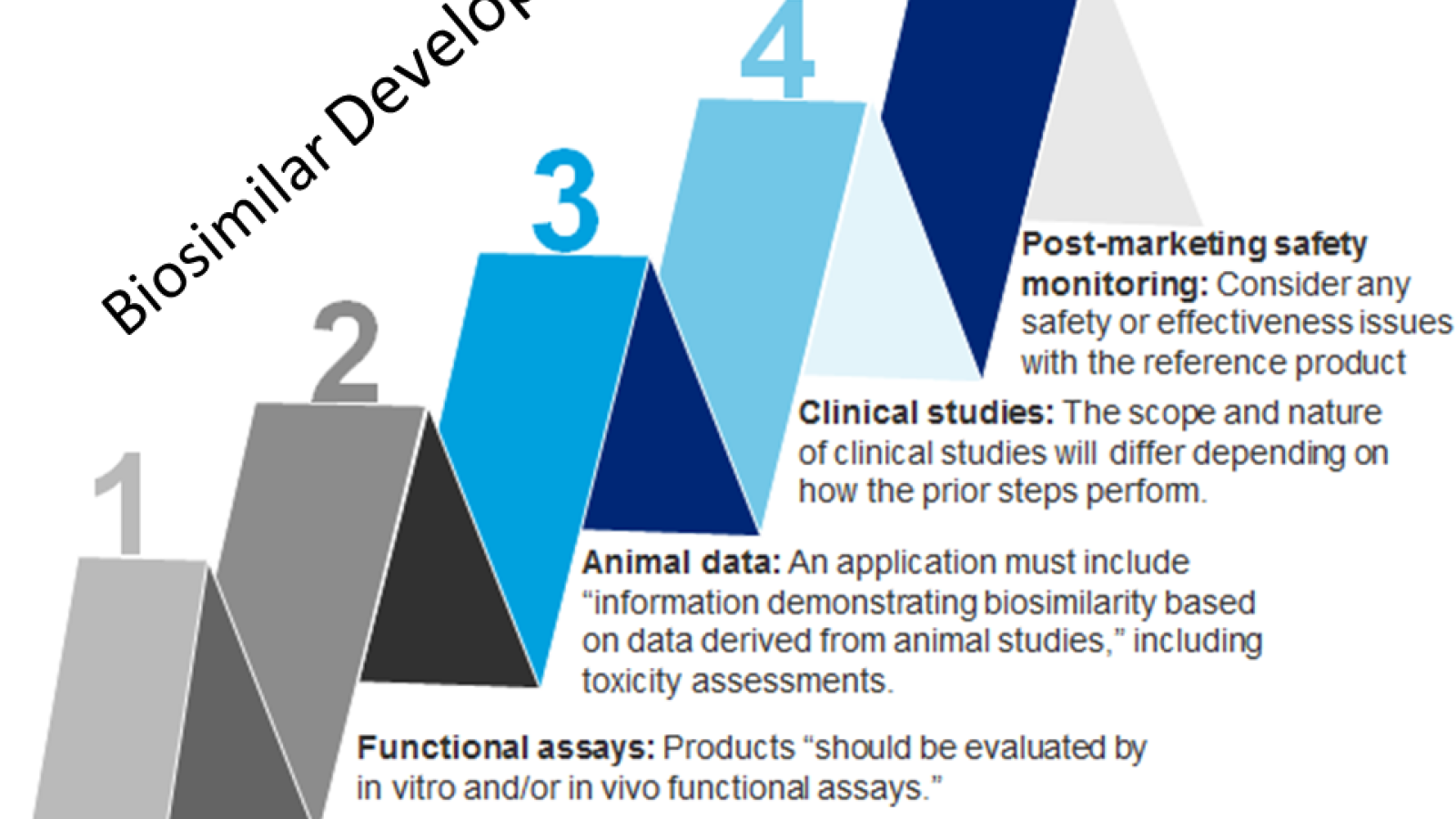
The FDA has released its guidance document on biosimilar development, stating that this represents its current thinking and may not be the final document. The document was published last week and will be instrumental in the development of biosimilar products in this country. In the guidance, the FDA outlines a stepwise process for demonstrating biosimilarity.
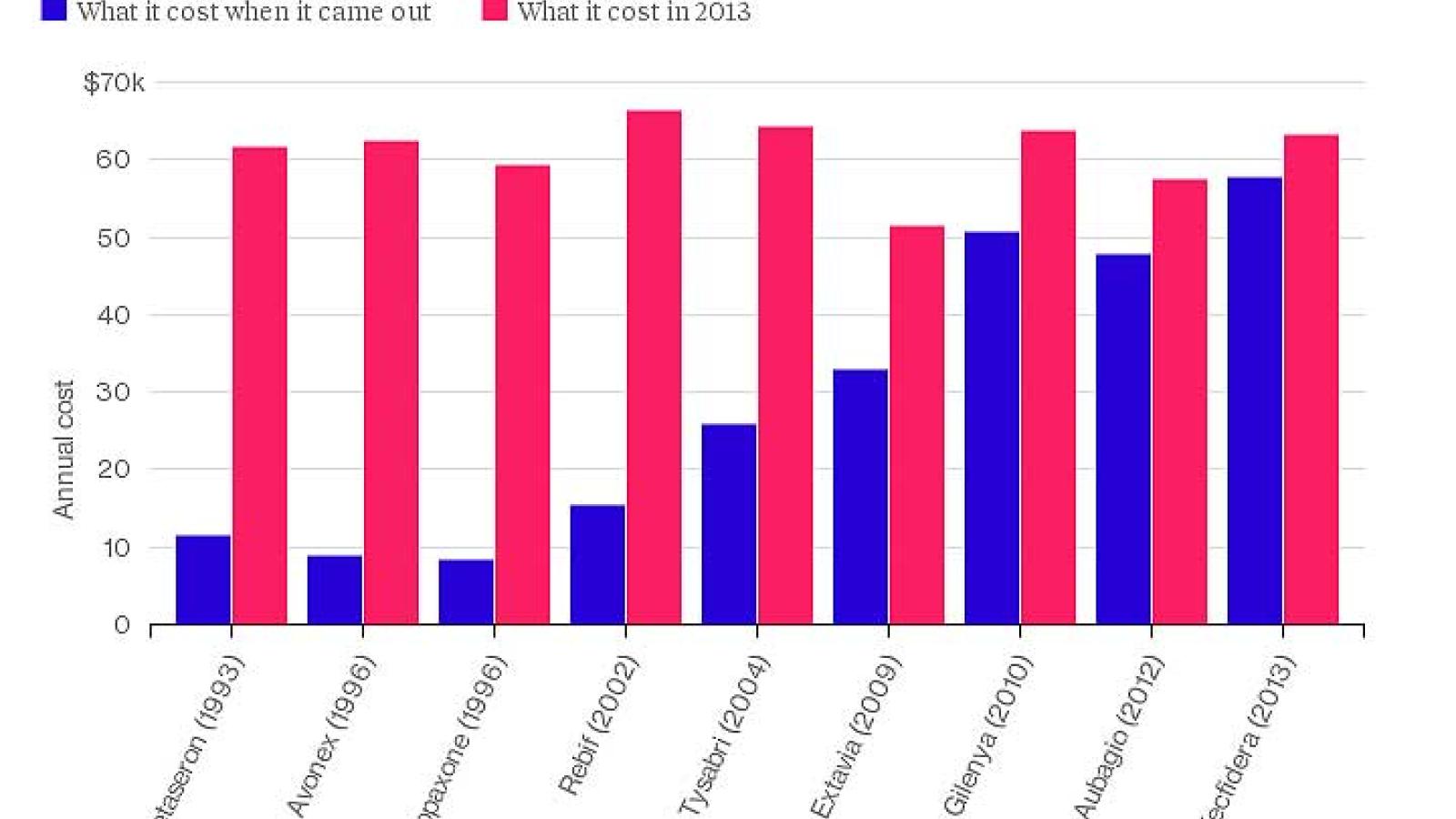
Biologics are not only expensive, their costs have continued to rise. This is not only true for rheumatology, as other specialties have unique biopharmaceuticals that have changed prescribing paradigms.
Jim Davis of AdverseEvents.com write this article examining the costs of multiple sclerosis drugs based on a
Rheumatologists should have a working knowledge on what vaccinations their patients need. The top 5 things rheumatologists should know about vaccines are...
The hazards of live virus vaccines are familiar to those who manage immunosuppression in the setting of inflammatory or autoimmune disease. One in three adults will contract "shingles" (VZV) infection in their lifetime. Given the pain and mobidity associated with this infection, the development of this VZV glycoprotein with adjuvant represents a significant advance.
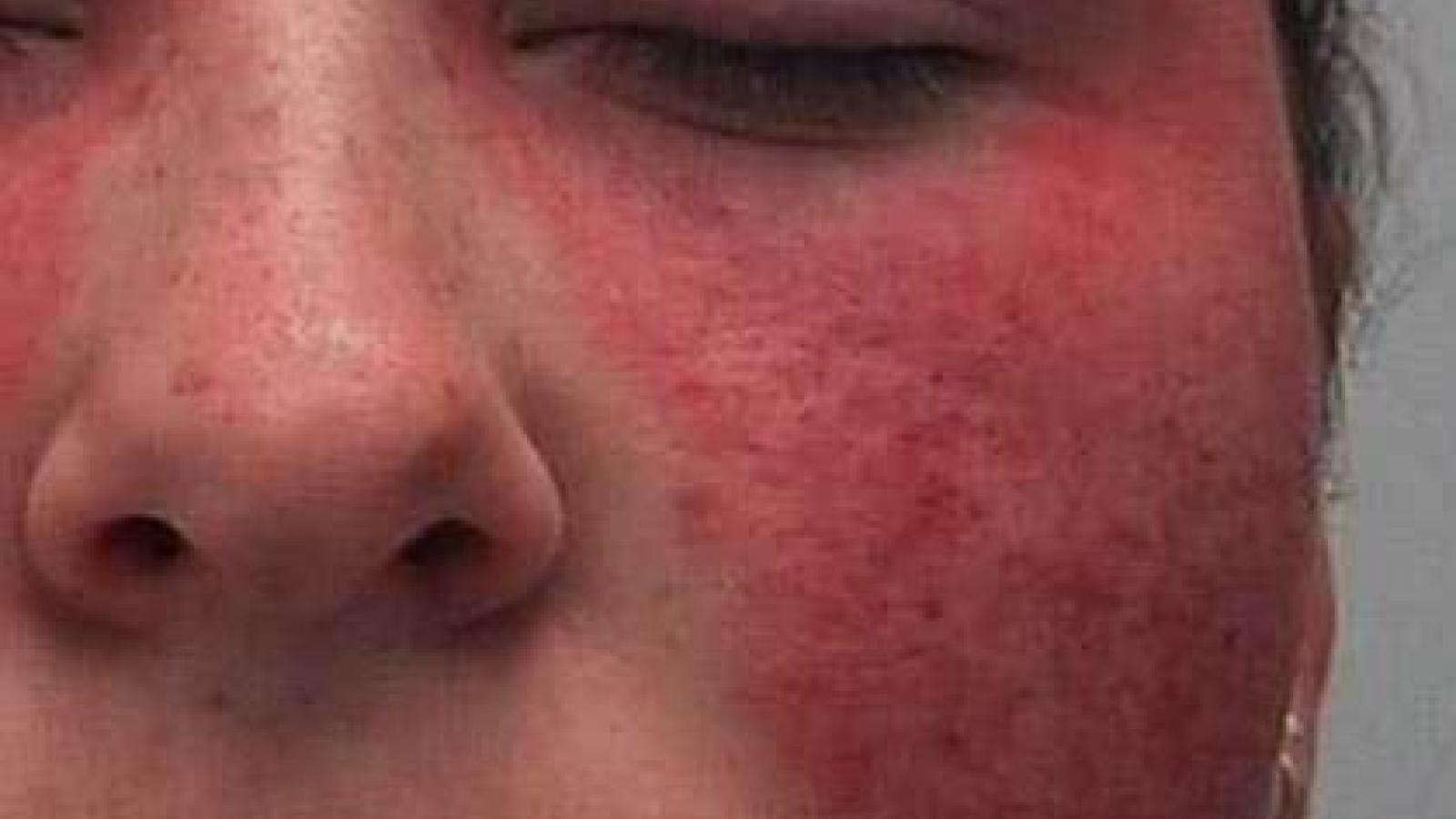
Drug-induced lupus (DIL) has been associated with all TNF inhibitors. Early rates suggested this may be between 0.04 - 0.06 events per 100 patient-years or roughtly 5 per 1000 patient-years.
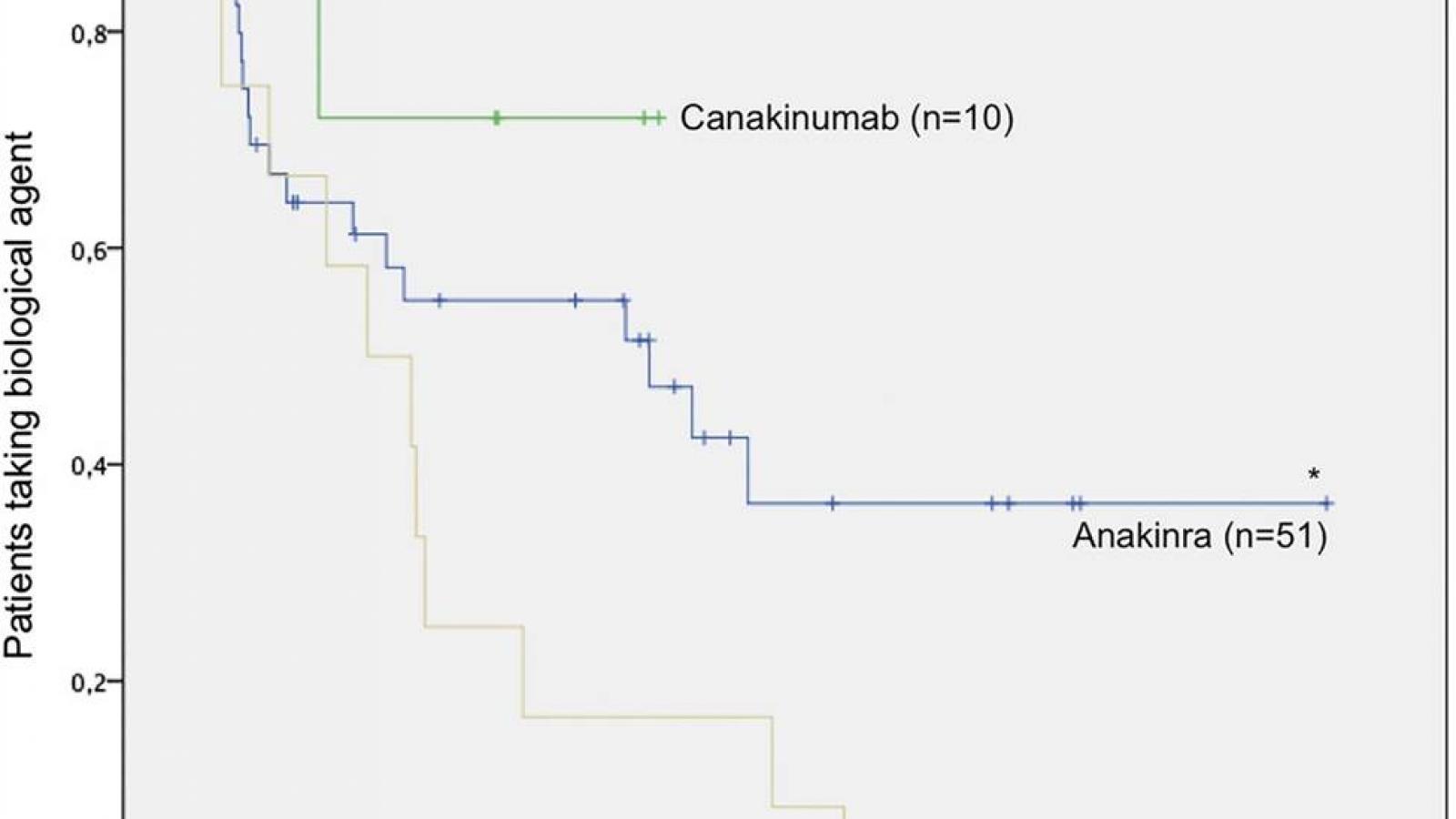
A retrospective review of 77 SoJIA patients revealed that 50-70% achieved inactive disease or remission when treated with IL-1 inhibitors (anakinra, canakinumab). Good responses were seen with tocilizumab or abatacept, but only 8% responded to etanercept. With up to 8 years of followup, a significant degree of biologic switching was observed. Complete remission was achieved in more than half of patients.

Part II highlights from the Cleveland Clinic's Biologic Therapies Summit.

Medicare released its list of the most costly medicines presribed in 2013.
Lyme disease is a multisystem disease caused by the spirochete Borrelia burgdorferi. The organism is transmitted through the bite of certain species of blacklegged ticks (Ixodes spp.). In 2013, state and local health departments reported approximately 35,000 cases of Lyme disease to CDC, making it the fifth most commonly reported nationally notifiable condition.
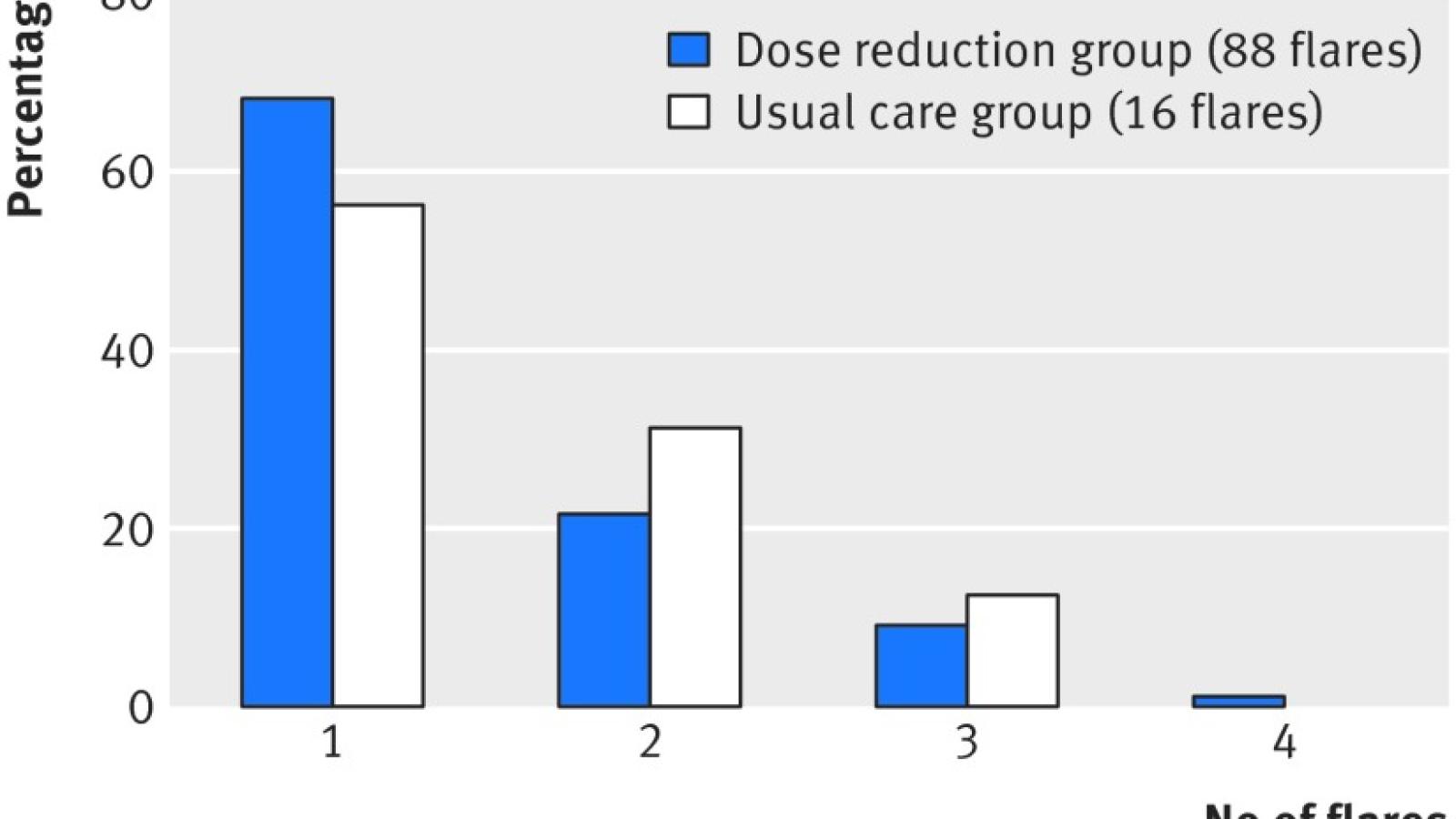
Can TNF inhibitor therapy be withdrawn in RA patients who are in remission? The DRESS trial reports the results of randomized trial of 180 RA patients taking either etanercept or adalimumab. Patients were randomly assigned to either usual care (no dose reduction) or a stepwise increase the injection intervals every three months, until the patients flares has a flare of disease activity or discontinuation.

