


Bariatric Surgery in the Era of GLP-1RA Save

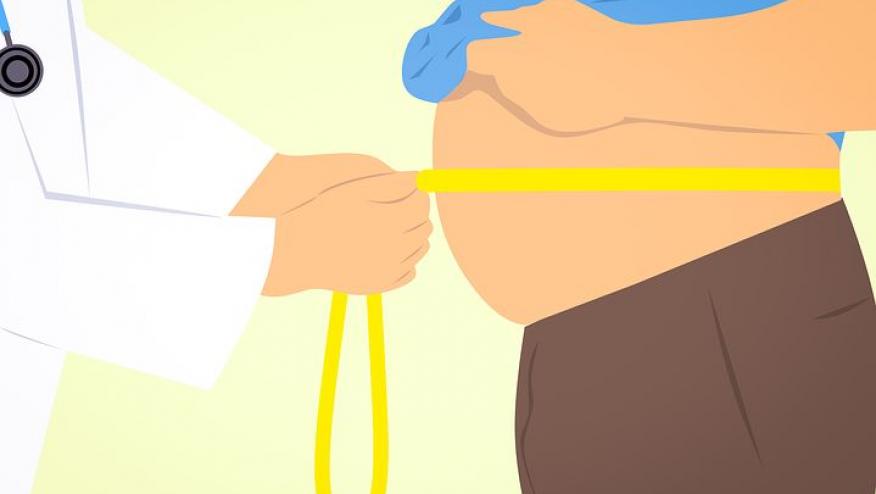
Overweight/obesity is a chronic multi-system disease which can impair physical and mental health. It now affects almost 1 in 3 Canadians. Environmental factors, particularly in those with increased genetic susceptibility, is the likely driver of this increased prevalence. Traditionally obesity was diagnosed based on body mass index (BMI) of ≥ 30kg/m2, with overweight diagnosed with a BMI of 25-30 kg/m2 . BMI misses many people with increased adiposity, who typically have increased waist circumference. Multiple recent guidelines have therefore suggested using waist measurements, in addition to BMI, to diagnose obesity. One such measure is waist-to-height ratio, with a value above 0.5 indicating increased adiposity.
Higher waist measurements increase the risk for metabolic conditions such as type 2 diabetes, hepatic steatosis, dyslipidemia and high blood pressure. These conditions collectively raise the risk for heart disease, the leading cause for mortality in people with overweight/obesity.
Weight loss of 5-10% can improve and higher weight loss potentially remit many metabolic conditions. Weight loss with lifestyle changes alone is difficult to sustain for most people. One reason for this is the weight loss associated endocrine milieu, which can decrease energy expenditure and increase the drive to eat. Therefore, we frequently use medications and/or bariatric surgery. These treatments work best when combined with nutritional and behavioural support. The recent advent of glucagon-like-peptide 1 receptor agonists (GLP1RA) such as semaglutide and GLP1RA/glucose dependent insulinotropic polypeptide receptor agonists such as tirzepatide have transformed obesity care. They can deliver average weight loss of ~10-22% in clinical trials, and improve/prevent many obesity-associated health conditions. The most common side effects of these medications are gastrointestinal side effects, which can be effectively managed with slower and more flexible dose adjustments. In real world setting, however, ~50% of patients stop the medication within a year due to a variety of factors including cost and side effects.
Bariatric surgery is the most effective treatment for obesity in terms of weight loss and improvement in health. Roux-en-Y gastric bypass surgery is a malabsorptive procedure which yields average weight loss of ~30% while sleeve gastrectomy is a restrictive procedure with average weight loss of ~20%. Both procedures are very safe but under-utilized. Because of the recent increased prevalence of people with very high BMIs and the diminished real- world effectiveness of obesity pharmacotherapy, bariatric surgery will likely continue to be part of the treatment armamentarium. As with other chronic diseases, many people benefit from combination treatment with surgery and pharmacotherapy.
In this era of multiple treatment options, the concept of ‘best weight’ is worth concluding with. This is a weight that is easy for someone to maintain with their current treatment and environment, while maintaining good health.
Related Content







If you are a health practitioner, you may Login/Register to comment.
Due to the nature of these comment forums, only health practitioners are allowed to comment at this time.