Predicting the future is a hiding to nothing. Uncertainty is inherent to life. The unknown unknowns are nearly as bad as the known unknowns. Biomedical advancement is lumpy, unexpected, and filled with fortune. We are unlikely to be able to see the future in its entirety or with

We have spent years telling patients with PsA that weight loss may improve symptoms and reduce cardiometabolic risk. A new ACR 2026 abstract asks the more provocative question: could GLP-1–based therapy influence PsA outcomes even after accounting for the change on the scale?
ACR Convergence 2026 closed on a high note with the Clinical Year in Preview, a forward-looking session on the final day presented by Alexis Ogdie, MD, MSCE, of the University of Pennsylvania.
Her aim was to highlight emerging therapies, preview trials expected
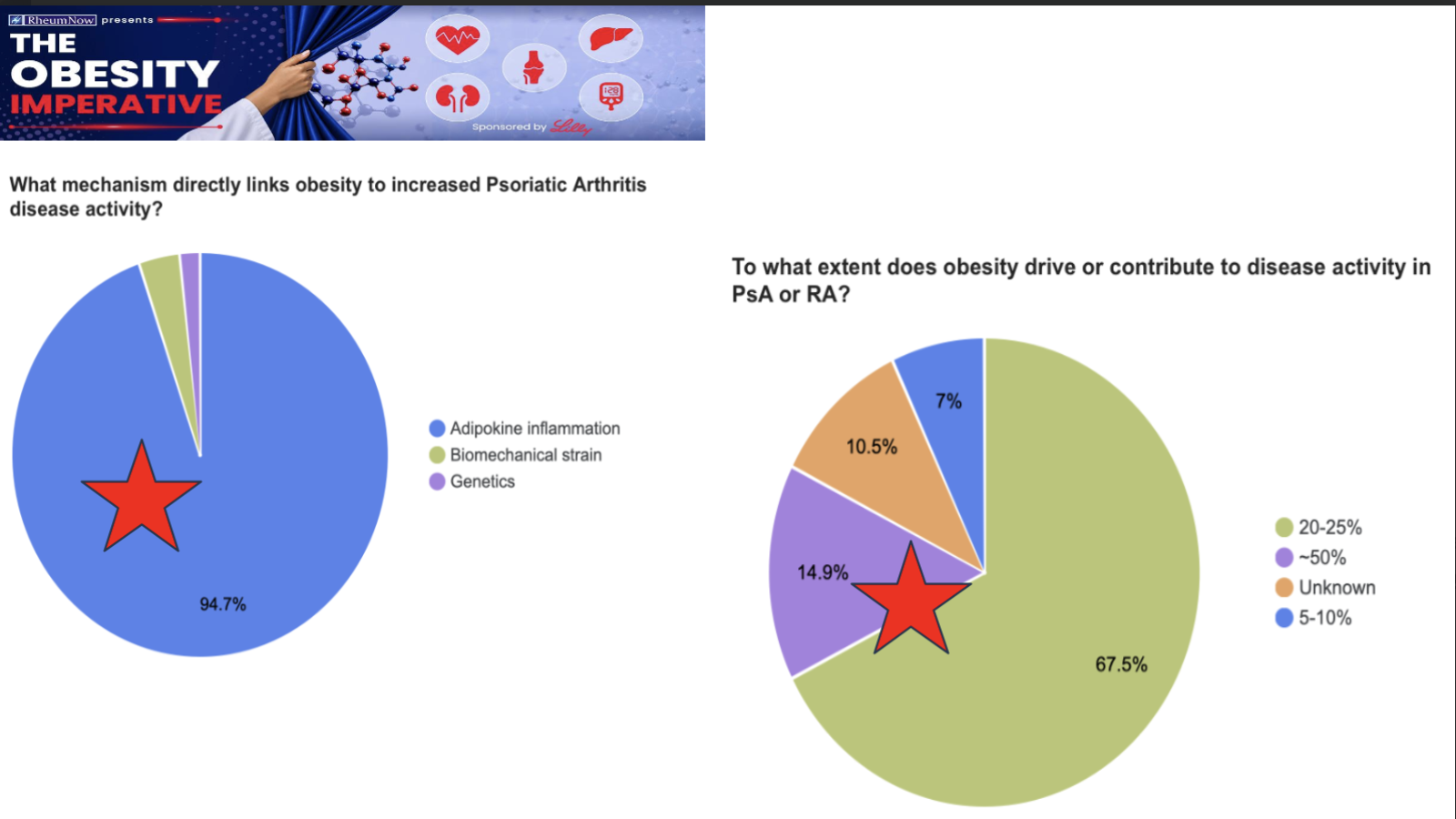
Obesity, in particular in psoriatic arthritis (PsA) was widely covered at #ACR26. This is from the recognition of the size of the problem.
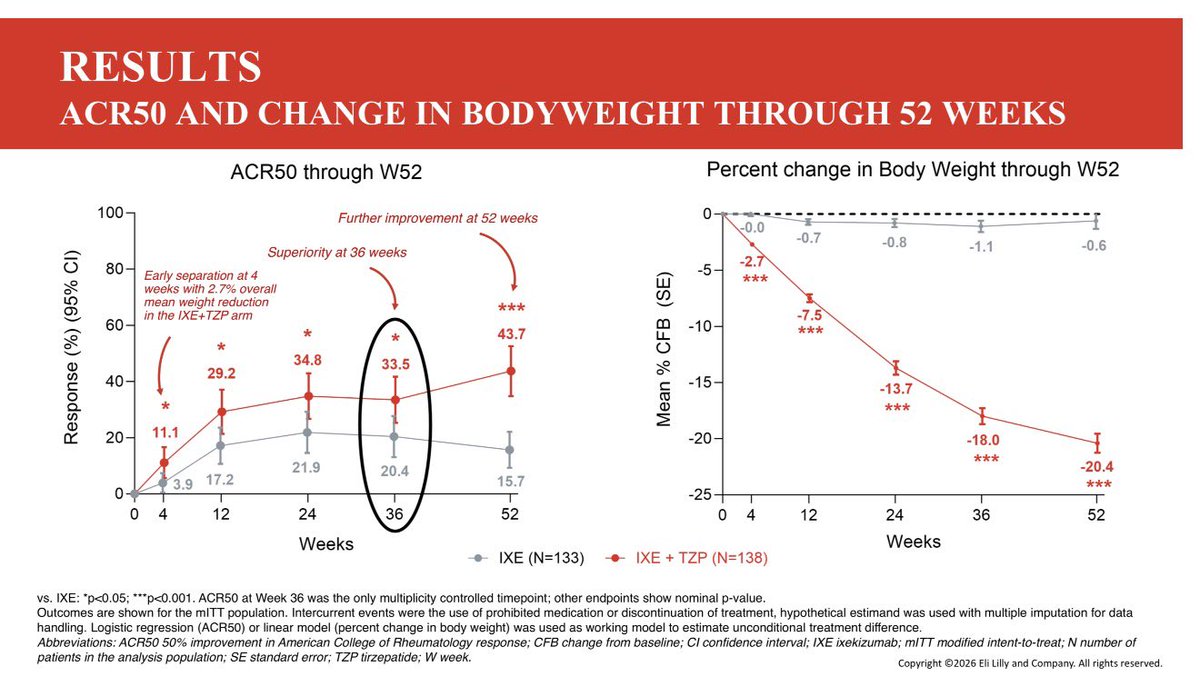
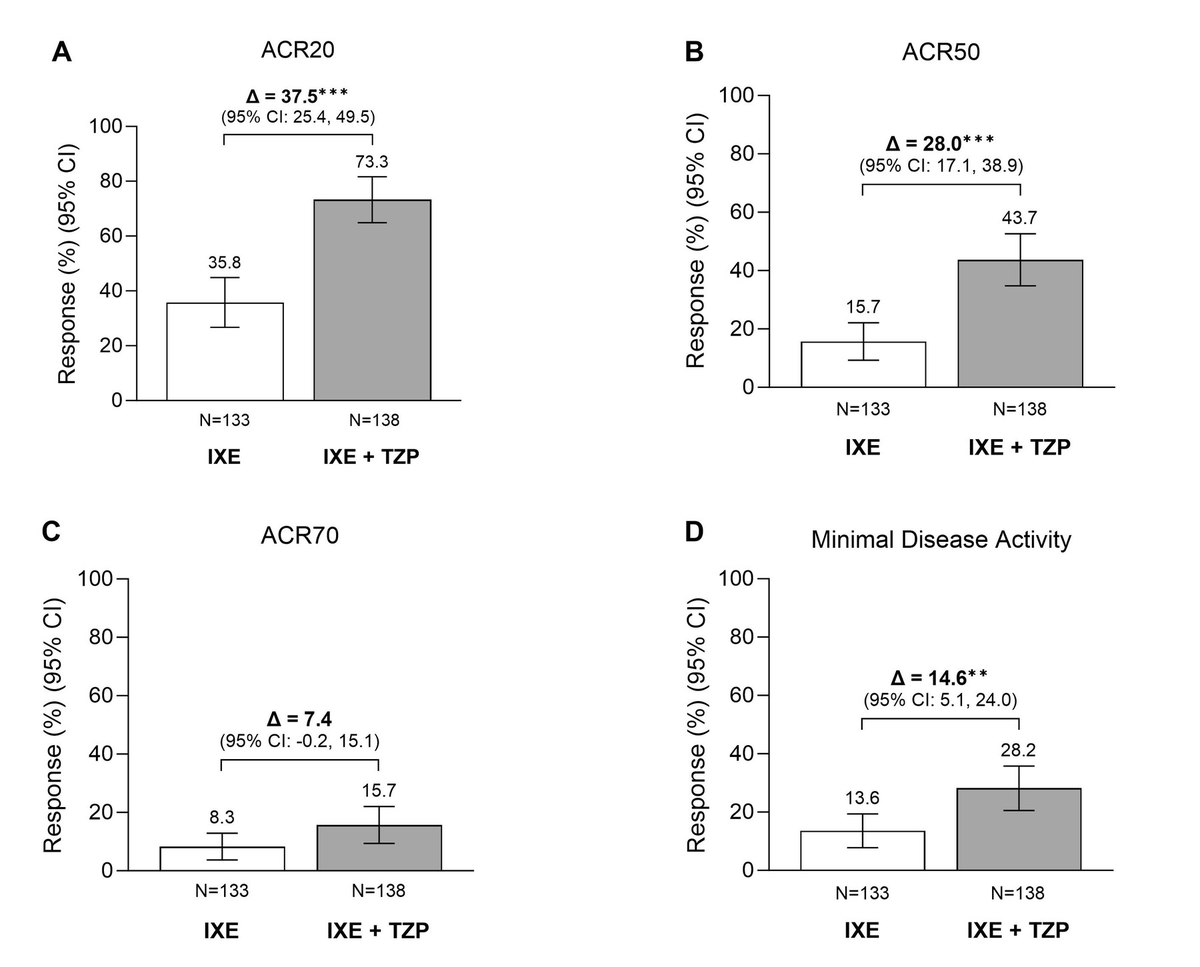
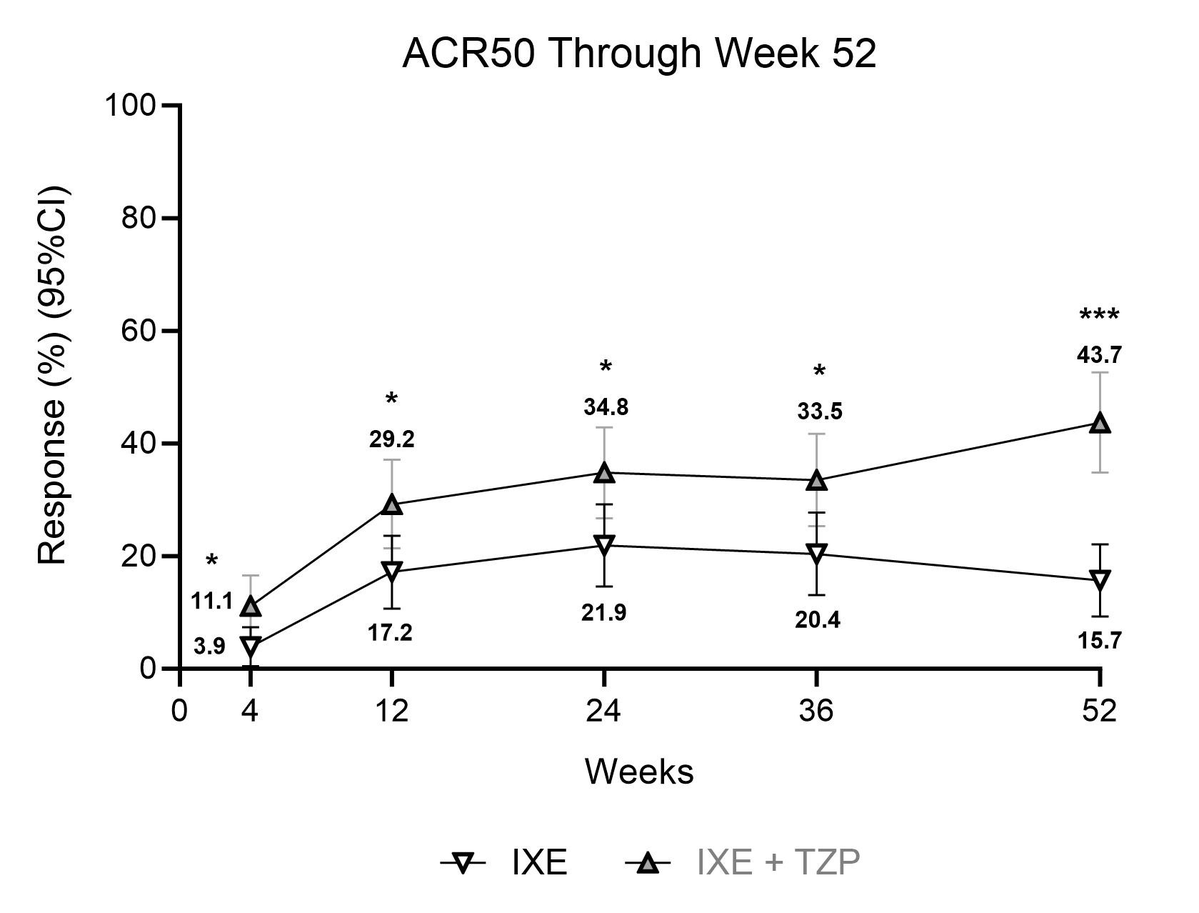
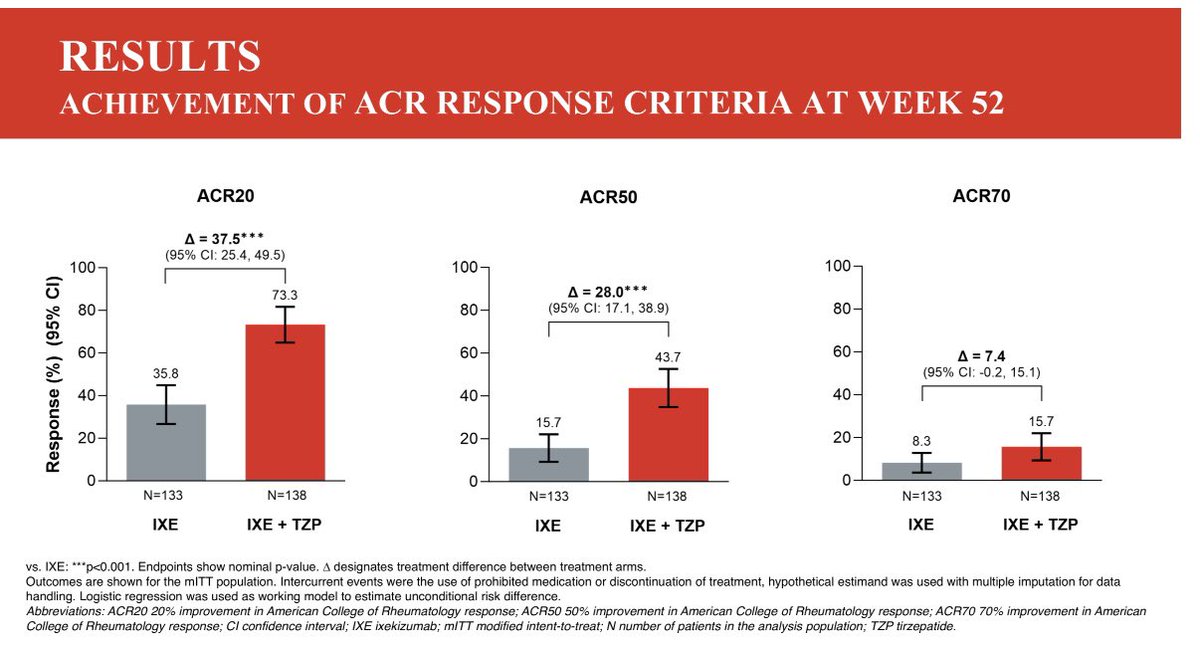
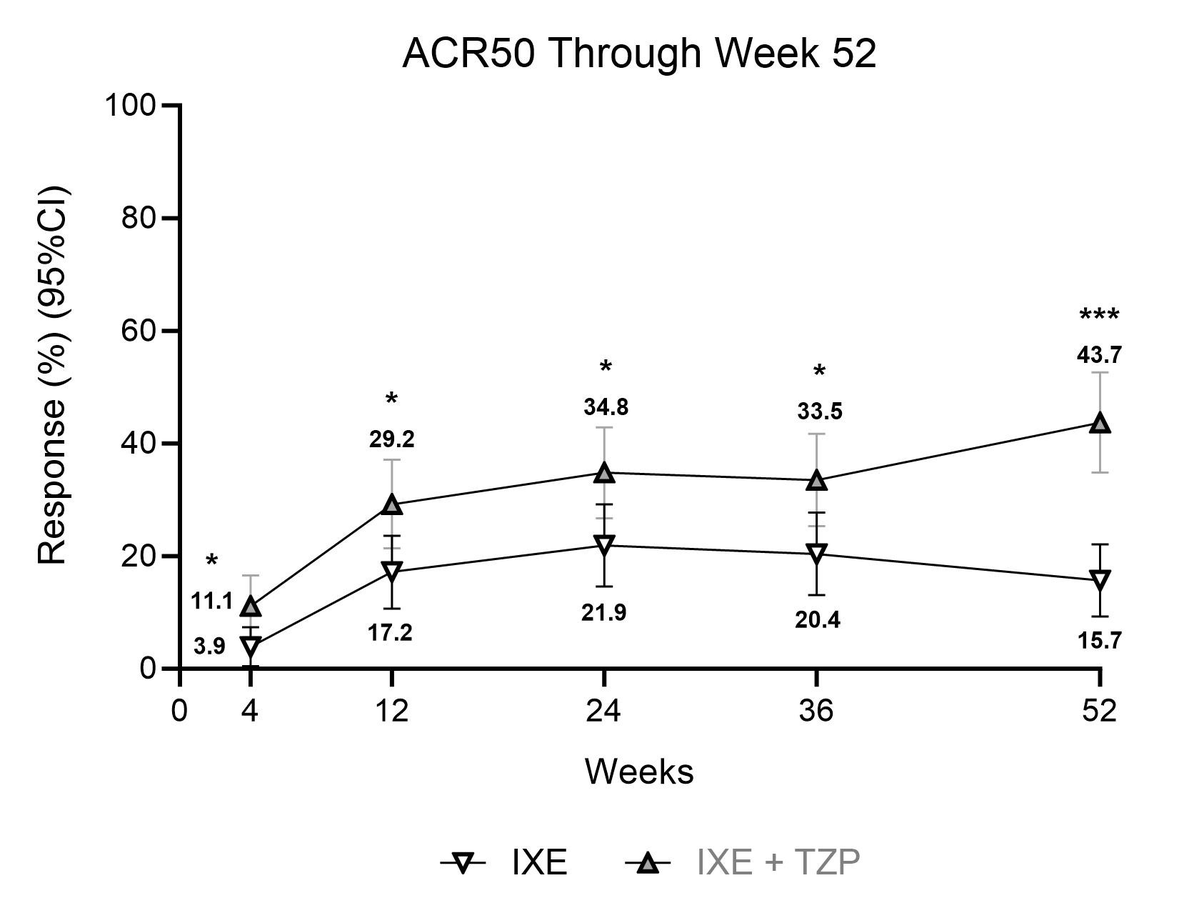
TOGETHER-PsA by Merola et al may be a practice-changing obesity story. Adding tirzepatide to ixekizumab improved joint outcomes at 52 weeks. Treating inflammation alone may not be enough for some patients with PsA. @rheumnow #ACR2026 #ACRBest Abstract#2942
TOGETHER-PsA at 52 weeks: ACR50 was 43.7% with ixekizumab + tirzepatide vs 15.7% with ixekizumab alone in PsA with overweight/obesity. n=271; open-label RCT. Joint, functional and metabolic outcomes improved. #2942 @Rheumnow #ACR26 #ACRBest https://t.co/zMNyrbAR5m
Merola et al, TOGETHER-PsA: At 52 weeks, ACR50 was 43.7% with ixekizumab + tirzepatide vs 15.7% with ixekizumab alone. A 28-point difference! Is addressing obesity becoming essential to optimal PsA care? @rheumnow #ACR2026 #ACRBest Abstract#2942
Katherine Wysham, MD, in the session “Rheumatology for Every Age” at ACR 2026 noted that falls are common in people with arthritis and underreported. A fall tends to start a cycle: lost confidence, less going out, reduced social participation, deconditioning, and then more falls and fractures.