


Does IVIG have a Role in Scleroderma? Save


Systemic sclerosis, or scleroderma, is one the most challenging rheumatic diseases to manage due to its heterogenous, multisystem manifestations and the limited treatment options for some of its progressive and debilitating complications. Intravenous immunoglobulin (IVIG) is often utilized as an off-label therapy for refractory manifestations due to its immunomodulatory effects and established efficacy in other immune-mediated diseases. However, evidence guiding usage in SSc remains limited. A recent systemic review and meta-analysis by Jozelio Freire de Carvalho and colleagues analyzed the available literature on this therapy. This study, published in Frontiers in Immunology in October 2026, evaluated the available evidence for IVIG in adult systemic sclerosis patients.
Despite a comprehensive literature search from 1966 to May 2026, only 11 studies met the inclusion criteria. Published between 2007 and 2023, these studies included more than 350 patients across multiple countries, including Japan, France, Italy, Spain, the United Kingdom, and the United States. Most were observational studies, and many patients received concomitant immunosuppressive therapies, complicating interpretation of these results. These trials evaluated three principal domains including skin (6 studies), gastrointestinal manifestations (3) and myopathy (2).
The pooled analysis of six trials of skin sclerosis demonstrated significant improvement in the modified Rodnan Skin Score (mRSS) (Standardized mean difference −0.59, 95% Confidence interval −0.95 to −0.22; p = 0.0019). Heterogeneity was substantial (I² = 78%), suggesting high variability in the studies. Critically, this difference was not demonstrated in the primary endpoint of the only randomized placebo-controlled trial identified for IVIG usage in scleroderma patients. The study, conducted by Takehara and colleagues in 2013, included 63 patients with diffuse cutaneous systemic sclerosis and failed to reach the primary endpoint of mRSS reduction at 12 weeks (mean change −3.3 ± 4.2 in the IVIG group and −4.2 ± 4.6 in the placebo group). During the subsequent non-blinded readministration phase, patients with two courses of IVIG did show improvement at week 60 compared to those patients that received placebo followed by one course of IVIG. This result, however, does not negate the negative primary failure of this trial. A French mulitcenter cohort also found no benefit of mRSS improvement in either limited and diffuse skin disease. Thus, despite the favorable pooled result, efficacy of IVIG for skin fibrosis is uncertain.
Three studies evaluated gastrointestinal outcomes by the University of California, Los Angeles Scleroderma Clinical Trials Consortium Gastrointestinal Tract 2.0 (UCLA GIT 2.0) questionnaire. The pooled analysis found a statistically significant improvement of GI symptom scores (SMD −0.73, 95% CI −1.16 to −0.29; p = 0.0012), albeit in limited data. One large multicenter retrospective cohort of 78 patients reported improvements of gastrointestinal symptoms, but other studies were limited to 2 and 15 patients. The small samples, lack of randomized comparators and the variability in gastrointestinal disease limits confidence in these results. Two studies contributed to the pooled analysis of inflammatory myopathy in scleroderma, demonstrating a statistically significant reduction in creatine kinase levels (SMD −0.53, 95% CI −0.80 to −0.26; p < 0.001). This result is encouraging, particularly given the known benefit of IVIG in other myositis phenotypes but more data is needed. Other potential applications, including inflammatory arthritis, tendon friction rubs, and interstitial lung disease remain insufficiently supported by available evidence.
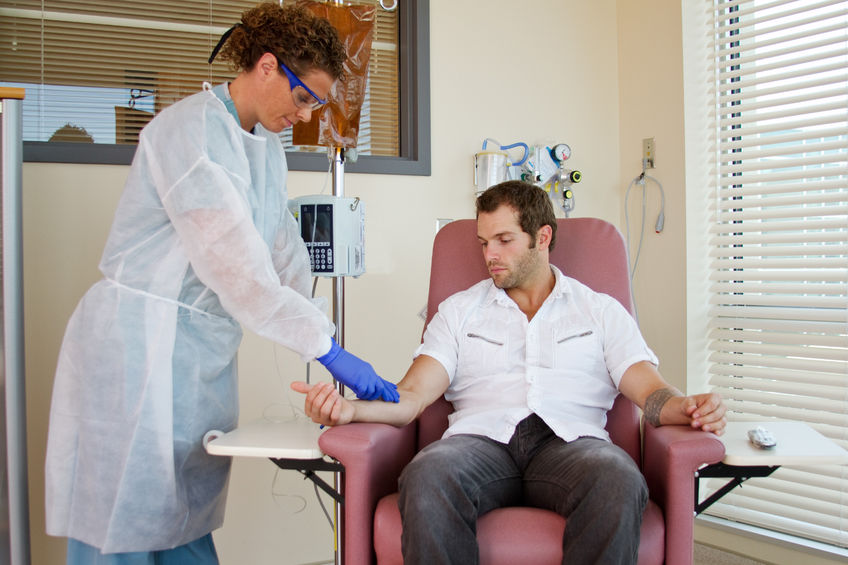
IVIG was generally well-tolerated in the included studies, with reported mild infusion reactions including fevers, chills, rash and headaches noted. Serious complications including venous thromboembolism, volume-related complications, acute kidney injury, hemolysis and aseptic meningitis are recognized risks that were noted in the studies. Overall, IVIG is not immunosuppressant and discontinuation rate for adverse events was low.
The available evidence for IVIG is encouraging but inconclusive. The paucity of high-quality data, predominance of observational studies, heterogeneity in skin outcomes, and concomitant therapies limits confidence in the pooled data. Most notably, the only randomized-controlled placebo trial produced a negative result in its primary endpoint. Publication bias is also likely, though the small number of studies precluded formal assessment.
For clinicians, IVIG may be a reasonable off-label consideration in select patients with refractory manifestations. It has been posited as a potential therapeutic option for cutaneous, gastrointestinal, and muscular involvement, but the data is inconclusive for each manifestation. These limitations in the literature highlight the need for high-quality investigation to elucidate the role of IVIG in scleroderma.
Related Content






If you are a health practitioner, you may Login/Register to comment.
Due to the nature of these comment forums, only health practitioners are allowed to comment at this time.