
News

Kevzara (Sarilumab) Approved in Canada for RA
Kevzara (sarilumab), an interleukin-6 (IL-6) receptor monoclonal antibody, was approved by Health Canada for use in rheumatoid arthritis (RA).
Gout is Undermanaged
Gout should be one of the easiest and best managed of rheumatic disorders. However, numerous deficits exist with regard to the treatment and long-term care of gout.

Limited Efficacy of NSAIDs in Spondyloarthritis
Prior to the biologic era, nonsteroidal antiinflammatory drugs (NSAIDs) were the mainstay of drug therapy in thos with spondyloarthritis (SpA) and ankylosing spondylitis (AS). Their role in the modern era has changed and the claims for efficacy have varied.
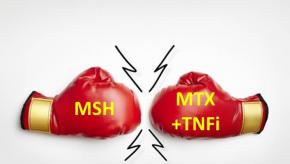
Is the Jury Still Out on Triple Therapy vs. MTX + TNF inhibitor?
There are several trials that test the efficacy and safety of combination tumor necrosis factor inhibitor (TNFi) plus methotrexate against triple therapy (methotrexate plus hydroxychloroquine plus sulfasalazine) in patients with rheumatoid arthritis.
Increased Cardiovascular Risk with Gout
Most patients who present with gout to rheumatology clinics are at very high risk of cardiovascular (CV) disease, Spanish researchers found.

Curbside Consults - January 2017
Curbside Consults are cases submitted by our rheumatology colleagues as challenging therapeutic or safety issues. Answers are based on experience, with added evidence from the medical literature and published guidelines.
Efficacy of Pneumococcal Vaccine in RA Patients
Infection is a major cause of morbidity and mortality in RA patients and thus vaccinating against preventable infections is a top priority for rheumatologists.

The RheumNow Week in Review – 27 January 2017
Dr. Cush reviews highlights from the past week on RheumNow.com.

The Challenge of Screening for Obstructive Sleep Apnea
A JAMA article presents the US Public Health Task Force review of OSA testing.

Complement Driven Vasculopathy Underlies Neuropsychiatric Lupus
Neuropsychiatric lupus (NPSLE) is a diagnostic challenge as its clinical manifestations are protean and the pathophysiology is poorly understood.

DSB - Safety Update and Drug Shortages January 2017
RheumNow will periodically report safety issues as Drug Safety Bulletins. These will update you with safety issues, label changes and reports of new, ongoing and resolved drug shortages that affect rheumatology. If you have suggestions or information about specific drug shortages or drug safety issues, please email us at info@rheumnow.com.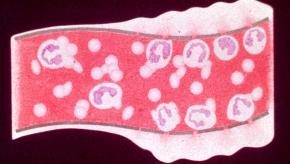
C5a and Neutrophils as Early Mediators in Inflammatory Arthritis
Researchers from the Massachusetts General Hospital (MGH) have studied the initial steps in an animal model of inflammatory arthritis and found that complement C5a is critical to neutrophils migration into joints.

Ties to Pharma Influences Clinical Trial Results
A study published in The BMJ shows that financial ties between researchers and companies that make the drugs they are studying are independently associated with positive trial results; thereby questioning the bias in these objective trials.