


QD Clinic: A Watched Tophus Never Resolves Save
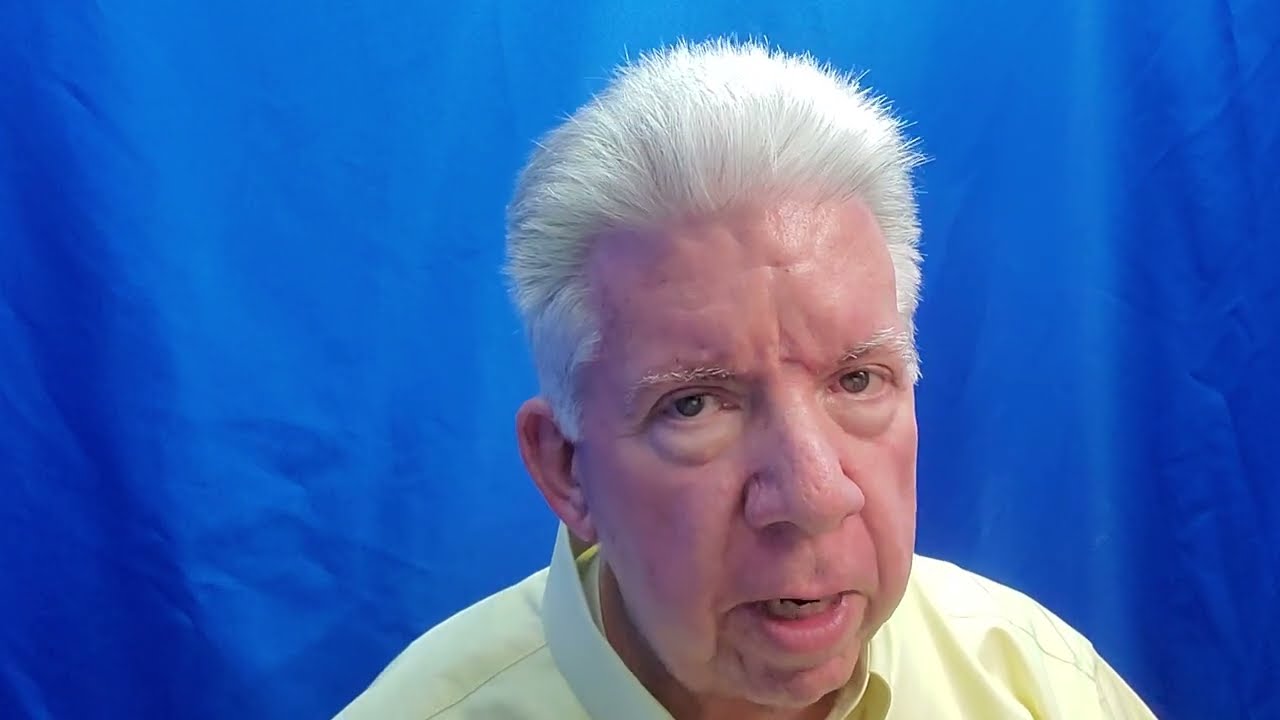
Dr. Jack Cush discusses his plan to medically manage multiple large volume tophi and a patient who has recently started urate lowering therapy with febuxostat.
Transcription
A watched tophus never resolves. Welcome to QD Gout Clinic. I'm Jack Cush with RheumNow and that's today's case. It's about tophaceous gout. A 42-year-old gentleman shows up in my clinic with a history of tophaceous gout. Gout was diagnosed 10 years ago, although he didn't know it was gout and really wasn't treated as gout. But most recently, about four or five months ago, he was hospitalized with bilateral septic knee arthritis and horrible gout. Well, the septic arthritis he had was treated. The gout was diagnosed and he was referred to me.
So when I see this gentleman, you know, he's a mess. He's got contractures. He's on crutches. He's on residual antibiotics. He's not on gout therapy. His story is that he has a past history of alcohol abuse, but has been sober for a year. No history of renal stones, but over 10 years ago he had recurrent attacks of swelling in his knees and ankles three, four, five times a year. A few times had a uric acid over 10. He says, "Yeah, I was treated with colchicine and prednisone and someone even gave me allopurinol, but I couldn't take it for some reason." But that was 10 years ago.
So when I see him, he's got a clear-cut history of gout. You know, he's got hyperuricemia with a uric acid of 9.8. And so I start him on urate-lowering therapy with febuxostat 40 milligrams a day. He's going through physical therapy. He's getting better. He throws away the crutches. He's back to working on his feet all day long, 12 hours a day. He's been on febuxostat 40 milligrams a day for over two months. He's been on colchicine as prophylaxis 0.6 milligrams a day for the same period. Has had no flares and is doing very, very well. Today his pain is two. He has occasional heel pain, but really he's doing well. Morning stiffness less than 10 minutes, no symptoms from the medication. He's alert, has a great physical exam. He has no tender joints, no swollen joints. But he has contractures. He's got a positive prayer sign, contractures of his PIPs. He's got a few nodules, meaning tophi, on some of those PIPs. He also has bilateral knee contractures where he lacks 10° of full extension.
But most impressive is the amount of tophi. I counted up nine tophi that I could measure, meaning that they were bigger than a half centimeter. He had a few half-centimeter tophi on PIP joints, a pea-sized one on the left elbow, a big monster one 4×5 cm on the right with a few satellites around it. And then he has really big ones on the Achilles tendon, sort of thickening the tendon, running the course of the tendon, sort of like buttressing it, at least 3 cm long, at least 2 cm wide. So he's got a lot of tophi.
So he's been on the febuxostat and his uric acid has come down to 5.6, starting out at over nine. And that's all good. His creatinine is one. All of his labs are normal.
The question is, what do you do? Do you stick with the febuxostat at a starting dose of 40 milligrams a day, or do you escalate, or because of all the tophi, do you put him on uricase therapy? I must say my best stories about tophus resolution were patients who went on pegloticase and that's their charm. That's their great utility.
I talked to the patient. I said, "What do you want to do? How quickly do you want to get rid of these nodules, these tophi?" Because if you go on a uricase drug, it could be within 6 months that they're all gone, more likely within 12 months. If you go on aggressive urate-lowering therapy with allopurinol or febuxostat, it could be 1 year, 2 years, 3 years, 5 years.
So what do we know? We know that the label on febuxostat says that the starting dose is 40 milligrams a day and then you can escalate to 80 milligrams a day if you don't achieve a uric acid of less than six within a few weeks. And that is of course our first goal. But this guy's got a lot of tophi. The goal is a uric acid of less than five. So we haven't achieved that, right?
I advise that we escalate the dose from 40 to 80 milligrams, and I told him I really want it to be down around four. And if we can do this for 3 to 6 months more, see where his uric acid goes, we can then evaluate what's happened to the size of the tophi and the potential need for more aggressive therapy going forward.
I want to underscore that you don't use probenecid and uricosuric therapies because in someone with a tremendous total body urate load and tophi — and his creatinine is 1.16, maybe it's going the wrong way — you're at higher risk of inducing a: nephrolith, b: a gout flare, c: urate kidney disease. We do know from clinical trials that led to the approval of febuxostat that 80 milligrams is better than 40 milligrams in not only achieving target but also lowering the volume of tophi. Can you go to 80 milligrams in everyone? The package insert on febuxostat says that yes you can. You've got to watch renal function because it's not
advised above 40 in patients with severe renal impairment meaning creatinine clearance of less than 30 cc's per minute uh etc. In the FACT trial um when you compared febuxostat 80 120 to allopurinol 300 in 762 patients um the tophus volume or area was decreased by 83% with 80 milligrams of febuxostat by 60% with the higher dose 120 febuxostat and only 50% by allopurinol. So going to 80 seems like the right move.
Um we do know that um the EULAR guidelines do state that your target is less than 5 milligrams per deciliter on uric acid if you do have um multiple tophi. Um the question is what's the time frame? A watched pot never boils. A watched tophus never seems to resolve. But you got to be on it. You got to be measuring, watching um measuring uric acid, measuring tophus volume. You know, I always do, you know, it's the size of a pea, it's the size of a cashew, it's the size of a walnut, or actually, you know, centimeter by millimeter measurements.
But even with the most aggressive therapy and with patient admitting that tophus size is decreasing at one year maybe only um 50% of tophus volume will be gone. It may take 3 to 5 years. So this is a long-haul um uh plan here that the patient has got to buy into. That's a problem with males with gout. Are they good at long-term therapy?
This gentleman seems to be very um motivated and very interested in having a condition which he's never had treated treated seriously so that maybe he can get back his function and prevent further damage. That's it for this case of tophaceous gout. Tune in for more gout QD clinics.
So when I see this gentleman, you know, he's a mess. He's got contractures. He's on crutches. He's on residual antibiotics. He's not on gout therapy. His story is that he has a past history of alcohol abuse, but has been sober for a year. No history of renal stones, but over 10 years ago he had recurrent attacks of swelling in his knees and ankles three, four, five times a year. A few times had a uric acid over 10. He says, "Yeah, I was treated with colchicine and prednisone and someone even gave me allopurinol, but I couldn't take it for some reason." But that was 10 years ago.
So when I see him, he's got a clear-cut history of gout. You know, he's got hyperuricemia with a uric acid of 9.8. And so I start him on urate-lowering therapy with febuxostat 40 milligrams a day. He's going through physical therapy. He's getting better. He throws away the crutches. He's back to working on his feet all day long, 12 hours a day. He's been on febuxostat 40 milligrams a day for over two months. He's been on colchicine as prophylaxis 0.6 milligrams a day for the same period. Has had no flares and is doing very, very well. Today his pain is two. He has occasional heel pain, but really he's doing well. Morning stiffness less than 10 minutes, no symptoms from the medication. He's alert, has a great physical exam. He has no tender joints, no swollen joints. But he has contractures. He's got a positive prayer sign, contractures of his PIPs. He's got a few nodules, meaning tophi, on some of those PIPs. He also has bilateral knee contractures where he lacks 10° of full extension.
But most impressive is the amount of tophi. I counted up nine tophi that I could measure, meaning that they were bigger than a half centimeter. He had a few half-centimeter tophi on PIP joints, a pea-sized one on the left elbow, a big monster one 4×5 cm on the right with a few satellites around it. And then he has really big ones on the Achilles tendon, sort of thickening the tendon, running the course of the tendon, sort of like buttressing it, at least 3 cm long, at least 2 cm wide. So he's got a lot of tophi.
So he's been on the febuxostat and his uric acid has come down to 5.6, starting out at over nine. And that's all good. His creatinine is one. All of his labs are normal.
The question is, what do you do? Do you stick with the febuxostat at a starting dose of 40 milligrams a day, or do you escalate, or because of all the tophi, do you put him on uricase therapy? I must say my best stories about tophus resolution were patients who went on pegloticase and that's their charm. That's their great utility.
I talked to the patient. I said, "What do you want to do? How quickly do you want to get rid of these nodules, these tophi?" Because if you go on a uricase drug, it could be within 6 months that they're all gone, more likely within 12 months. If you go on aggressive urate-lowering therapy with allopurinol or febuxostat, it could be 1 year, 2 years, 3 years, 5 years.
So what do we know? We know that the label on febuxostat says that the starting dose is 40 milligrams a day and then you can escalate to 80 milligrams a day if you don't achieve a uric acid of less than six within a few weeks. And that is of course our first goal. But this guy's got a lot of tophi. The goal is a uric acid of less than five. So we haven't achieved that, right?
I advise that we escalate the dose from 40 to 80 milligrams, and I told him I really want it to be down around four. And if we can do this for 3 to 6 months more, see where his uric acid goes, we can then evaluate what's happened to the size of the tophi and the potential need for more aggressive therapy going forward.
I want to underscore that you don't use probenecid and uricosuric therapies because in someone with a tremendous total body urate load and tophi — and his creatinine is 1.16, maybe it's going the wrong way — you're at higher risk of inducing a: nephrolith, b: a gout flare, c: urate kidney disease. We do know from clinical trials that led to the approval of febuxostat that 80 milligrams is better than 40 milligrams in not only achieving target but also lowering the volume of tophi. Can you go to 80 milligrams in everyone? The package insert on febuxostat says that yes you can. You've got to watch renal function because it's not
advised above 40 in patients with severe renal impairment meaning creatinine clearance of less than 30 cc's per minute uh etc. In the FACT trial um when you compared febuxostat 80 120 to allopurinol 300 in 762 patients um the tophus volume or area was decreased by 83% with 80 milligrams of febuxostat by 60% with the higher dose 120 febuxostat and only 50% by allopurinol. So going to 80 seems like the right move.
Um we do know that um the EULAR guidelines do state that your target is less than 5 milligrams per deciliter on uric acid if you do have um multiple tophi. Um the question is what's the time frame? A watched pot never boils. A watched tophus never seems to resolve. But you got to be on it. You got to be measuring, watching um measuring uric acid, measuring tophus volume. You know, I always do, you know, it's the size of a pea, it's the size of a cashew, it's the size of a walnut, or actually, you know, centimeter by millimeter measurements.
But even with the most aggressive therapy and with patient admitting that tophus size is decreasing at one year maybe only um 50% of tophus volume will be gone. It may take 3 to 5 years. So this is a long-haul um uh plan here that the patient has got to buy into. That's a problem with males with gout. Are they good at long-term therapy?
This gentleman seems to be very um motivated and very interested in having a condition which he's never had treated treated seriously so that maybe he can get back his function and prevent further damage. That's it for this case of tophaceous gout. Tune in for more gout QD clinics.



If you are a health practitioner, you may Login/Register to comment.
Due to the nature of these comment forums, only health practitioners are allowed to comment at this time.