


Obesity and Psoriatic Disease Save

Obesity is a clinically important comorbidity in psoriasis (PsO) and psoriatic arthritis (PsA). Excess adiposity contributes to systemic inflammation and cardiometabolic risk and may adversely affect disease severity and response to some systemic therapies.
Intentional weight loss should be considered an adjunct to appropriate dermatologic and rheumatologic treatment. Randomized and prospective studies suggest that weight loss may reduce psoriasis severity, improve quality of life, increase the likelihood of achieving minimal disease activity (MDA), and improve selected PsA outcomes.
Evidence for GLP-1 (glucagon-like peptide-1)-based therapy in psoriatic disease is evolving. Earlier studies of liraglutide and semaglutide were generally small and provided limited evidence. In contrast, the 2026 TOGETHER-PsO and TOGETHER-PsA phase 3b trials evaluated tirzepatide (Zepbound) in combination with ixekizumab (Taltz) and provide the strongest randomized evidence to date supporting the concurrent treatment of obesity and psoriatic disease.
In obesity medicine practice, treatment should remain individualized based on obesity-related complications, contraindications, efficacy, tolerability, access, patient goals, and long-term sustainability.
The Impact of Obesity on Psoriatic Disease
Shared inflammatory pathways
Adipose tissue is metabolically active and produces proinflammatory cytokines and adipokines that overlap with inflammatory pathways involved in psoriasis and psoriatic arthritis. This shared inflammatory biology supports a bidirectional relationship between obesity and psoriatic disease.
Increased cardiometabolic risk
Psoriatic disease is associated with increased cardiometabolic risk, which may be further amplified by coexisting obesity. This includes a greater burden of hypertension, diabetes, dyslipidemia, obstructive sleep apnea, metabolic dysfunction-associated steatotic liver disease (MASLD), and cardiovascular disease.
Impact on treatment response
Higher BMI has been associated with reduced response to some biologic therapies in psoriasis and psoriatic arthritis, although the strength and consistency of this association vary across treatment classes. Therefore, obesity management may provide clinical benefits beyond weight reduction alone. [1]
Weight Loss and Psoriatic Disease Outcomes
Psoriasis
A 2026 systematic review and meta-analysis of 13 randomized controlled trials involving 1,145 participants found that weight-loss interventions significantly improved psoriasis severity and quality of life. The Psoriasis Area and Severity Index (PASI) is a validated measure of psoriasis severity based on the extent and characteristics of skin involvement, with higher scores indicating more severe disease. PASI75 represents a ≥75% improvement in PASI from baseline and is commonly used as a measure of clinically meaningful treatment response. Compared with control, weight-loss interventions reduced PASI scores and increased the likelihood of achieving PASI75. The Dermatology Life Quality Index (DLQI), a 10-item questionnaire assessing the impact of skin disease on daily life and quality of life, also improved significantly. These findings support intentional weight loss as an adjunct to standard psoriasis treatment. Whether GLP-1-based therapies provide additional weight-independent anti-inflammatory benefits remains uncertain. [2]
More recently, the 2026 TOGETHER-PsO phase 3b trial demonstrated that adding tirzepatide (Zepbound) to ixekizumab (Taltz) improved combined psoriasis and weight outcomes compared with ixekizumab alone, providing direct randomized evidence for concurrently targeting obesity and psoriasis. [3]
Psoriatic Arthritis
Prospective studies have demonstrated improvements in joint disease activity, enthesitis, skin disease, physical function, and composite disease measures following substantial weight loss, supporting weight reduction as an adjunctive strategy in patients with PsA and obesity. [4]
The 2026 TOGETHER-PsA phase 3b trial further strengthened this evidence by demonstrating that adding tirzepatide (Zepbound) to ixekizumab (Taltz) improved combined PsA disease-control and weight outcomes compared with ixekizumab alone, supporting the concurrent treatment of obesity and psoriatic arthritis. [5]
Key Clinical Trials of GLP-1-Based Therapies in Psoriasis and Psoriatic Arthritis
Overall, the earlier liraglutide and semaglutide studies are small and should be considered hypothesis-generating. The 2026 TOGETHER-PsO and TOGETHER-PsA phase 3b trials provide the strongest randomized evidence to date, while SEMPSO and SEMAPSO remain ongoing.
Study | Population/design | Intervention | Key findings | Interpretation |
Faurschou et al. (2015) [6] | 20 patients with plaque psoriasis and excess weight; randomized placebo-controlled; 8 weeks | Liraglutide vs placebo | Greater weight loss (4.7 vs 1.6 kg), but no significant between-group PASI or DLQI difference. | Important negative randomized trial; argues against assuming a class-wide direct anti-psoriatic effect. |
Lin et al. (2021) [7] | 25 patients with psoriasis and T2DM; randomized; 12 weeks | Liraglutide vs control | PASI and DLQI improved; reductions in lesional IL-17, IL-23, and TNF-alpha were reported. | Supports possible immunometabolic benefit; small study limited to T2DM. |
Liraglutide 3-mg study (2023) [8] | 20 patients with psoriasis and obesity; prospective; 3 months | Liraglutide 3 mg daily | PASI 10.0 to 5.1; DLQI 12.7 to 6.4; BMI and CRP decreased. | Relevant obesity-dose study; PASI improvement was not correlated with weight loss. |
Semaglutide RCT (2025) [9] | 31 patients with psoriasis, obesity, and T2DM; randomized; 12 weeks | Semaglutide vs control | Median PASI 21 to 10 and DLQI 14 to 4; BMI, CRP, and IL-6 decreased. | Promising semaglutide-specific randomized evidence, but small and limited to T2DM. |
TOGETHER-PsO (2026) [3] | 274 adults with moderate-to-severe plaque psoriasis and overweight/obesity; phase 3b randomized trial | Ixekizumab + tirzepatide vs ixekizumab | PASI100 + ≥10% weight reduction: 27.1% vs 5.8%; PASI100: 40.6% vs 29.0%. | Strong contemporary evidence for treating obesity and psoriasis concurrently. |
TOGETHER-PsA (2026) [5] | 271 adults with active PsA and overweight/obesity; phase 3b randomized trial | Ixekizumab + tirzepatide vs ixekizumab | ACR50 + ≥10% weight reduction: 31.7% vs 0.8%; ACR50: 33.5% vs 20.4%. | Strong randomized PsA-specific evidence for an integrated inflammatory-metabolic strategy. |
SEMPSO (NCT06937060) [10] | Ongoing open-label single-arm pilot; planned n=14; psoriasis with overweight/obesity | SC semaglutide 0.25 mg weekly, titrated to maximum 2.0 mg weekly | Primary outcome is change in PASI; results pending. | Dedicated prospective semaglutide study; not randomized. |
SEMAPSO (NCT07401992) [11] | Ongoing phase 4 randomized masked placebo-controlled trial; planned n=62 | Oral semaglutide 3 mg -> 7 mg -> 14 mg daily + topical therapy vs placebo + topical therapy | PASI, quality-of-life, and metabolic-inflammatory outcomes; results pending. | Will provide controlled evidence for oral semaglutide in psoriasis. |
The 2026 TOGETHER Program: Treating Obesity Alongside Psoriatic Disease
The 2026 TOGETHER program provides the strongest randomized evidence to date for integrating obesity treatment with targeted therapy for psoriatic disease. Both phase 3b trials evaluated tirzepatide (Zepbound) in combination with ixekizumab (Taltz) compared with ixekizumab alone. The findings support a concurrent approach to treating obesity and psoriatic disease but are specific to the studied combination and should not be automatically extrapolated to other GLP-1-based therapies or biologics. [3,5]
TOGETHER-PsO
TOGETHER-PsO randomized 274 adults with moderate-to-severe plaque psoriasis and overweight with a weight-related comorbidity or obesity. PASI100 represents complete skin clearance (a 100% improvement from baseline PASI). At week 36, the primary composite endpoint of PASI100 plus at least 10% weight reduction was achieved by 27.1% with ixekizumab plus tirzepatide versus 5.8% with ixekizumab alone (P<0.001). PASI100 was achieved by 40.6% versus 29.0% (P=0.04), and at least 10% weight reduction by 69.2% versus 9.1%. [3]
Outcome at week 36 | Ixekizumab + tirzepatide | Ixekizumab alone |
PASI100 + ≥10% weight reduction (primary endpoint) | 27.1% | 5.8% |
PASI100 | 40.6% | 29.0% |
PASI75 + ≥5% weight reduction | 79.9% | 17.9% |
≥10% weight reduction | 69.2% | 9.1% |
TOGETHER-PsA
TOGETHER-PsA randomized 271 adults with active PsA and overweight with a weight-related comorbidity or obesity. The primary endpoint was simultaneous achievement of ACR50 and at least 10% weight reduction at week 36. [5]
What ACR50 means
ACR50 indicates at least a 50% improvement in tender and swollen joint counts plus at least a 50% improvement in three of five additional domains: patient pain, patient global assessment, physician global assessment, physical function/disability, and an acute-phase reactant.
Outcome at week 36 | Ixekizumab + tirzepatide | Ixekizumab alone |
ACR50 + ≥10% weight reduction (primary endpoint) | 31.7% | 0.8% |
ACR50 | 33.5% | 20.4% |
Obesity Pharmacotherapy: Practical Considerations in Psoriatic Disease
Obesity is a chronic disease. Pharmacotherapy can be incorporated into comprehensive care that also addresses nutrition, physical activity, behavioral support, obesity-related complications, and metabolic/bariatric surgery when appropriate. [12]
Basic recommendations for patients receiving obesity treatment:
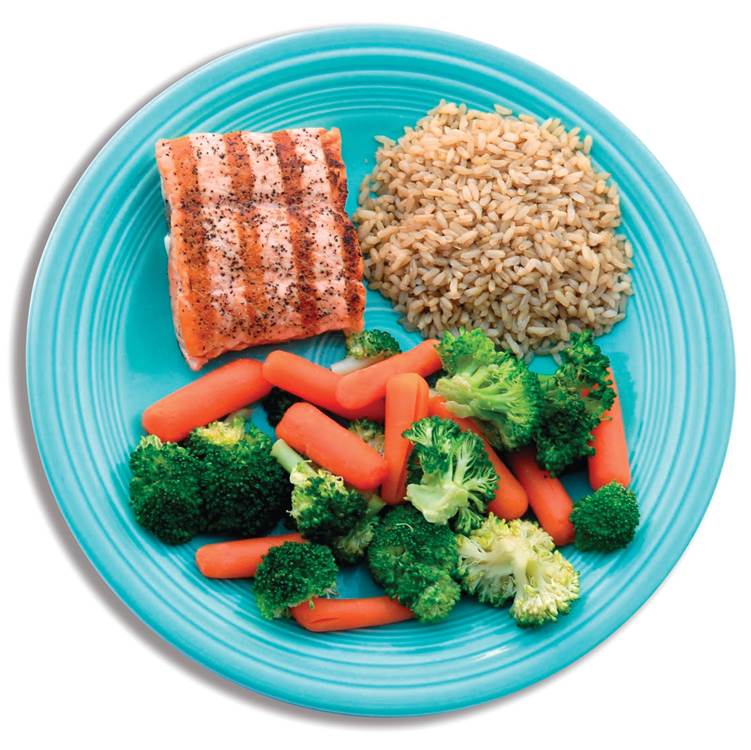
- Choose nutrient-dense foods that are high in protein and fiber.
- Limit refined carbohydrates, ultra-processed foods, and sugar-sweetened beverages.
- Maintain adequate hydration.
- Tailor physical activity to the patient’s preferences and functional ability. Consider chair-based or aquatic exercises and increase activity gradually as tolerated.
- Include resistance exercise at least twice weekly to preserve muscle mass and function.
- Obtain baseline laboratory testing to assess comorbidities and metabolic health, including A1c or fasting glucose, CMP, and lipid panel. Consider a CBC when clinically indicated or when calculating FIB-4 to assess the risk of advanced liver fibrosis.
- Also screen for Obstructive Sleep Apnea (may use STOPBANG questionnaire)
- Monitor the rate of weight loss, nutritional intake, muscle strength, and physical function more frequently during treatment initiation and at least every three months thereafter.
Medication | Mean total body weight loss* | Potential Role | Key Adverse Effects and Practical Considerations |
|---|---|---|---|
Tirzepatide (Zepbound) | ~15–21% at 72 weeks | Dual GLP-1 and GIP receptor agonist. High-efficacy obesity therapy with direct randomized evidence in combination with ixekizumab (Taltz) from TOGETHER-PsO and TOGETHER-PsA. [3,5] | Nausea, vomiting, diarrhea, constipation, and abdominal discomfort. Monitor for dehydration and acute kidney injury with persistent GI symptoms, for gallbladder disease during rapid/substantial weight loss, and for signs of pancreatitis. Contraindicated in patients with a personal or family history of medullary thyroid carcinoma or MEN2. -> Titrate gradually to improve GI tolerability. Manage constipation proactively, especially if present at baseline. Recommend a daily multivitamin based on consensus guidance |
Semaglutide (Wegovy) Sq or oral | ~15-16% at 68 weeks | GLP-1receptor agonist. High-efficacy obesity therapy with cardiovascular outcome evidence and for the treatment of MASH with F2 or greater fibrosis in appropriate patients. | Nausea, vomiting, diarrhea, constipation, and abdominal discomfort. Monitor for dehydration and acute kidney injury with persistent GI symptoms, for gallbladder disease during rapid/substantial weight loss, and for signs of pancreatitis. Contraindicated in patients with a personal or family history of medullary thyroid carcinoma or MEN2. -> Titrate gradually to improve GI tolerability. Manage constipation proactively, especially if present at baseline. Recommend a daily multivitamin based on consensus guidance |
Liraglutide (Saxenda) | ~8% at 56 weeks | GLP-1receptor agonist. Obesity therapy supported by small psoriasis-specific clinical studies. | Nausea, vomiting, diarrhea, constipation, and abdominal discomfort. Monitor for dehydration and acute kidney injury with persistent GI symptoms, for gallbladder disease during rapid/substantial weight loss, and for signs of pancreatitis. Contraindicated in patients with a personal or family history of medullary thyroid carcinoma or MEN2. -> Titrate gradually to improve GI tolerability. Manage constipation proactively, especially if present at baseline. Recommend a daily multivitamin based on consensus guidance |
Phentermine/topiramate ER (Qsymia) | ~8-10% at 52 weeks | Effective chronic obesity pharmacotherapy: may be particularly useful when hunger, increased appetite, or food cravings are prominent. The topiramate component may also be beneficial in patients requiring migraine prevention. | Paresthesia, dry mouth, constipation, insomnia, increased heart rate, cognitive effects, and mood changes. Topiramate may cause renal tubular acidosis and increase the risk of hypokalemia with non–potassium-sparing diuretics and nephrolithiasis. Encourage adequate hydration. Contraindicated in pregnancy, glaucoma, and hyperthyroidism. Patients who can become pregnant should be advised to use effective contraception consistently because of topiramate’s teratogenic risk. |
Naltrexone/bupropion (Contrave) | ~5–6% at 56 weeks | Oral obesity pharmacotherapy: may be considered when food cravings or reward-driven/emotional eating are prominent. | Nausea, constipation, headache, insomnia, and dry mouth; may cause mild increase BP and HR. Avoid in uncontrolled hypertension, seizure disorders, anorexia nervosa or bulimia nervosa, chronic opioid use, and during abrupt discontinuation of alcohol, benzodiazepines, barbiturates, or antiepileptic drugs. |
*Mean percentage change from baseline, not placebo-subtracted. Results are from different trials and should not be interpreted as direct head-to-head comparisons.
Clinical Considerations for GLP-1-Based Therapy in Psoriatic Disease
GLP-1-based obesity treatment can generally be used alongside biologic DMARD therapy. The TOGETHER trials provide direct randomized evidence for tirzepatide (Zepbound) used with ixekizumab (Taltz), although these findings should not automatically be extrapolated to other biologic-incretin combinations.
Because GLP-1-based therapies can delay gastric emptying, concomitant oral medications should be reviewed when reliable absorption is clinically important, particularly for medications with a narrow therapeutic window.
Baseline liver health and metabolic risk factors should also be assessed when clinically appropriate, particularly in patients receiving methotrexate.
Chronic systemic glucocorticoid exposure should be minimized when feasible because of its adverse effects on weight, glycemia, blood pressure, and other metabolic parameters.
In addition, gastrointestinal adverse effects of incretin therapy, including nausea, vomiting, and diarrhea, may increase dehydration and renal risk in susceptible patients, particularly when combined with nonsteroidal anti-inflammatory drugs (NSAIDs) or other medications that affect renal perfusion.
Discussing Obesity in Psoriatic Disease
- A practical way to introduce the discussion is: “Because adiposity can influence inflammation, joint symptoms, treatment response, and cardiovascular risk, would it be okay if we discuss whether treating obesity could be another tool to improve your overall health?”
- Weight should be discussed with the patient’s permission using person-first, non-stigmatizing language.
- Treatment goals should extend beyond weight loss to improvements in pain, mobility, fatigue, sleep, metabolic health, cardiovascular risk, and quality of life. Current guidelines emphasize obesity-related complications and overall health rather than the number on the scale or BMI alone.
- Obesity should be approached as a chronic disease requiring long-term management. Patients should be counseled that discontinuation of pharmacotherapy may lead to weight regain. When appropriate, coordinated care involving obesity medicine, rheumatology, dermatology, primary care, registered dietitians, exercise physiologists, and behavioral health professionals can support the comprehensive management of obesity and psoriatic disease.
References
1. Hjort G, et al. Association of body mass index with response to biologic treatment in psoriasis: systematic review and meta-analysis. JAMA Dermatol. 2024;160(8):830-837. doi:10.1001/jamadermatol.2024.1677.
2. Morrow S, et al. Impact of weight-loss interventions on psoriasis severity: a systematic review and meta-analysis. J Eur Acad Dermatol Venereol. 2026;40(6):980-993. doi:10.1111/jdv.70247.
3. Lebwohl M, et al. Ixekizumab with or without tirzepatide in adults with psoriasis and overweight or obesity: a phase 3b randomized clinical trial. JAMA Dermatol. 2026;162(7):709-719. doi:10.1001/jamadermatol.2026.1753.
4. Klingberg E, et al. Weight loss improves disease activity in patients with psoriatic arthritis and obesity. Arthritis Res Ther. 2019;21:17.
5. Merola JF, Mease P, Kivitz A, et al. Ixekizumab with tirzepatide achieved greater disease control than ixekizumab alone in adults with psoriatic arthritis and overweight or obesity. Arthritis Rheumatol. 2026. doi:10.1002/art.70134.
6. Faurschou A, Gyldenløve M, Rohde U, et al. Lack of effect of the glucagon-like peptide-1 receptor agonist liraglutide on psoriasis in glucose-tolerant patients: a randomized placebo-controlled trial. J Eur Acad Dermatol Venereol. 2015;29(3):555-559. doi:10.1111/jdv.12629.
7. Lin L, Xu X, Yu Y, et al. Glucagon-like peptide-1 receptor agonist liraglutide therapy for psoriasis patients with type 2 diabetes: a randomized-controlled trial. J Dermatolog Treat. 2022;33(3):1428-1434. doi:10.1080/09546634.2020.1826392.
8. Nicolau J, Nadal A, Sanchís P, Pujol A, Nadal C, Masmiquel L. Effects of liraglutide among patients living with psoriasis and obesity. Med Clin (Barc). 2023;161(7):293-296. doi:10.1016/j.medcli.2023.05.021.
9. Petković-Dabić J, Binić I, Carić B, et al. Effects of semaglutide treatment on psoriatic lesions in obese patients with type 2 diabetes mellitus: an open-label, randomized clinical trial. Biomolecules. 2025;15(1):46. doi:10.3390/biom15010046. PMID:39858442.
10. ClinicalTrials.gov. SEMPSO. NCT06937060.
11. ClinicalTrials.gov. SEMAPSO / Oral Semaglutide. NCT07401992.
12. Pedersen SD, et al. Pharmacotherapy for obesity management in adults: 2025 clinical practice guideline update. CMAJ. 2025;197(27):E797-E809. doi:10.1503/cmaj.250502.
13. Mozaffarian D, Agarwal M, Aggarwal M, et al. Nutritional priorities to support GLP-1 therapy for obesity: A joint Advisory from the American College of Lifestyle Medicine, the American Society for Nutrition, the Obesity Medicine Association, and The Obesity Society. Obesity (Silver Spring). 2025; 33(8): 1475-1503. doi:10.1002/oby.24336
Related Content





If you are a health practitioner, you may Login/Register to comment.
Due to the nature of these comment forums, only health practitioners are allowed to comment at this time.