


Articles By Jack Cush, MD
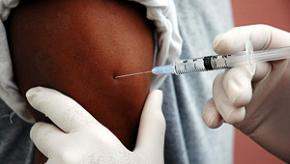
RECOVERY Trial: Dexamethasone in COVID-19
Inflammatory events following infection with SARS-CoV-2 can often worsen the morbid or mortal outcomes with COVID, yet it has been unclear if glucocorticoids may modulate inflammation-mediated damage and lung injury. The RECOVERY trial reports that dexamethasone (DEX) use lowered 28-day mortality among COVID-19 patients requiring respiratory support. The RECOVERY trial was performed in the UK and enrolled hospitalized COVID-19 patients who were randomly assigned patients to usual care alone or the addition of oral or intravenous dexamethasone (at a dose of 6 mg once daily) for up to 10 days. The primary outcome was 28-day mortality.
Read Article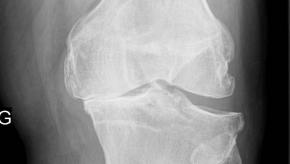
Meloxicam Superior to Placebo and Cognitive Behavioral Therapy in Knee OA
Pain management in knee osteoarthritis (OA) is confounded by studies showing less is equal to usual standards of care. A recent trial showed that meloxicam was superior to placebo or cognitive behavioral therap (CBT); although the differences were small.
Read Article
Characteristics Underlying Mortal COVID-19 Outcomes
From January 1, 2020–May 18, 2020, approximately 1.3 million cases of coronavirus disease 2019 (COVID-19) and 83,000 COVID-19–associated deaths were reported in the United States.
Read Article
RheumNow Podcast – LTF – Listen to Fauci (7.17.20)
Dr. Jack Cush reviews the news, tweets and journal articles from the past week on RheumNow. Let's dig into this week's 14 highlights.
Read Article
PRIME Cells Predicting Rheumatoid Arthritis Flares
The current issue of NEJM reports a novel cell type that may be used to identify rheumatoid arthritis (RA) patients who may flare. Investigators prospectively collected blood samples from 4 patients for longitudinal RNA sequencing (RNA-seq) for discovery of moleculartranscripts that were differentially expressed before flares.
Read Article
Anti-Rheumatic Therapies for COVID-19 Infection
Since the onset of the COVID-19 pandemic numerous anti-rheumatic therapies have been proposed as being potentially beneficial. The mechanistic effects of these agents, either presumed antiviral, anti-inflammatory and anti-thrombotic effects, may benefit mitigate the damage seen with COVID-19 infection. This review will examine the potential benefits and existing evidence for treating suspected or proven COVID-19 infection with antimalarials, inhibitors of interleukin-6 (IL-6) or interleukin-1 (IL-1) Janus kinase (JAK) inhibitors, TNF inhibitors or colchicine. There are many other antirheumatic and immunosuppressive therapies that are in clinical trials that will not be reviewed here including IVIG, rituximab, calcineurin inhibitors (sirolimus, etc.), apremilast, emapalumab (anti-IFN gamma), etc.
Read Article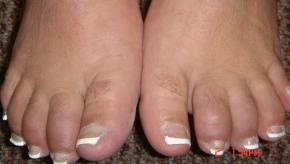
IL-17 Superior to TNF Inhibition in Psoriatic Arthritis
A one year head-to-head (H2H) trial has shown ixekizumab (IXE) to be superior to adalimumab (ADA) in psoriatic arthritis (PsA); for both skin and articular outcomes. The SPIRIT H2H study was a 52-week trial of 566 biologic DMARD naive, PsA patients, randomized to received either IXE or ADA. The primary end point was at Wk 24, but the newly published data shows week 52 results for ACR50 and Psoriasis Area and Severity Index 100 responses.
Read Article
Growing Risk of COVID Among Adolescents
The risk COVID-19 infection and mortality in the U.S. has been closely correlated with increasing age. However, recent data suggests that young adults (aged 18–25 years) have shown an increasing risk of COVID-19 infection since the pandemic began in March 2020.
Read Article
Extrapulmonary Manifestations of COVID-19
A new article in Nature Medicine delineates how our understanding of COVID-19 infection has evolved over time, such that the infection outomes may be worsened by extrapulmonary manifestations; notably thrombotic, cardiac, renal, gastrointestinal hepatic, neurologic, and other complications.
Read Article
ICYMI: Protective Benefit of Colchicine in COVID-19 Infection
Colchicine has been advocated as a potential anti-inflammatory intervention in patients with the coronavirus 2 infection and clinical trials have been developed to assess its effect in early COVID-2 infection. JAMA has published a randomized clinical trial showing that low dose colchicine had less clinical deterioration without significant changes in biomarkers, such as high-sensitivity cardiac troponin and C-reactive protein.
Read Article