


Articles By Mrinalini Dey, MBBChir, MA(Hons) Cantab., MRCP, FHEA

From Fitbit to first diagnosis: AI is rewriting the RA playbook
Artificial intelligence isn’t a distant frontier anymore. It’s here, and it appears able to detect signs of rheumatoid arthritis, possibly before we can clinically detect it. Two studies presented at this year’s ACR meeting highlight just how close we may be to a future where algorithms flag disease before we can and monitor activity with minimal patient burden.
Read Article
ICYMI: Clinical and Therapeutic Challenges in Connective Tissue Disease and ILD
Connective tissue diseases (CTDs) and interstitial lung disease (ILD) represent a challenging intersection of systemic autoimmunity and progressive respiratory impairment. Research presented at EULAR 2025 continues to highlight the importance of CTD-ILD and the evolving landscape of therapeutic options for patients with autoimmune ILDs.
Read Article
Persistent Burden in Early RA Despite Disease Control: insights from CareRA Trials
Advances in the treatment of rheumatoid arthritis, particularly the treat-to-target strategy and the introduction of effective DMARDs, have improved the management of inflammation in RA. However, improved inflammatory markers do not always translate into a resolution of patients’ symptoms or improvements in functional capacity. A recent pooled analysis from the CareRA and CareRA2020 randomized controlled trials shed new light on this dissociation between biological disease control and patient-reported outcomes.
Read Article
Clinical and Therapeutic Challenges in Connective Tissue Disease and ILD
Connective tissue diseases (CTDs) and interstitial lung disease (ILD) represent a challenging intersection of systemic autoimmunity and progressive respiratory impairment. Research presented at EULAR 2025 continues to highlight the importance of CTD-ILD and the evolving landscape of therapeutic options for patients with autoimmune ILDs.
Read Article
Health inequities in rheumatology: A central theme
This year at EULAR, health inequalities have taken centre stage as fundamental drivers of outcomes in rheumatic and musculoskeletal diseases. Across multiple sessions and studies, delegates are presenting compelling evidence and ground-breaking research demonstrating that who you are, where you live, and what resources you can access truly do shape the trajectory of chronic illness just as much as biological factors.
Read Article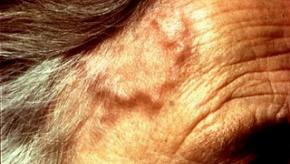
ICYMI: SELECT-GCA suggests JAKis may be the new kid on the block
Clinicians treating giant cell arteritis (GCA) have long had to contend with a disappointingly limited selection of drugs from which to select. A new group of drugs is finally showing promise in the treatment of GCA.
Read Article
Addressing CV Risk in RA: Are we doing enough?
ORAL surveillance was a post-authorisation safety study of tofacitinib 5mg and 10mg versus TNF inhibitors, focusing on rates of adverse events, including MACE. A higher incidence of MACE was observed with the use of tofacitinib. Statins are recommended in patients with a history of atherosclerotic disease or 10 year predicted risk of MACE. But, how many patients with rheumatoid arthritis, at risk of MACE, are actually taking a statin?
Read Article
Where there’s smoke, there’s flare: how pollution fuels RA
Associations between air pollution and disease activity in rheumatoid arthritis have previously been demonstrated. Abstract 0978 sought to determine the association between fire smoke and other pollutant exposures with the risk of RA and RA-associated interstitial lung disease (RA-ILD).
Read Article
Health Literacy: the forgotten social determinant of health?
Nine out of ten adults in the USA struggle to understand basic health-related information. Across the pond, in the UK, 7.1 million adults read at, or below, the level of a nine-year-old, with 60% unable to understand health information. An increasing body of research in rheumatic diseases has sought to understand the impact of health literacy, long neglected as a social determinant of health, on clinical and non-clinical outcomes. Several abstracts at this year’s ACR Convergence focus on this topic.
Read Article
SELECT-GCA suggests JAKis may be the new kid on the block
Clinicians treating giant cell arteritis (GCA) have long had to contend with a disappointingly limited selection of drugs from which to select. A new group of drugs is finally showing promise in the treatment of GCA.
Read Article