


Do You Have to be Overweight for GLP-1s to Work?
Transcription
Hi, it's Dr. Janet Pope. I'm weighing in on a matter. So, my question is, do you have to be overweight for GLP-1 receptor agonist drugs to work? And I want to weigh in on that. So, basically, uh, pun intended, but let's sort of go for first principles.
So the first thing to wonder about is are there any data that GLP-1 receptor agonist drugs — semaglutide and the ones in combination — can be effective if a person has a normal BMI. Well we know in diabetes indeed they can be, but what about in our SARDs where we're not looking for blood sugar control and we're not uh having everybody with obesity.
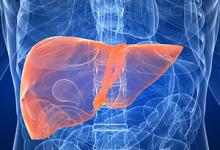
So first of all there are many indications — diabetes and weight loss of course, but sleep apnea — GLP-1s are indicated for that. There's positive data in our areas in knee osteoarthritis and psoriatic arthritis. We also know there's a lot of other data that have been found to be effective, again mostly in diabetics or in those with obesity. So helping cardiovascular disease, so reducing MACE events, uh reducing renal impairment. SGLT2s have more data but um the GLP-1s have it as well. Um helping for um MASH or NAFLD, so fatty liver or non-alcoholic steatohepatitis. Um so we know all that. We also know that they can help um HFpEF, which is heart failure with preserved ejection fraction. Um maybe neurodegenerative diseases. There's trials, maybe substance use disorders, um both um alcohol and other uh drugs, and maybe chronic low back pain. So that's kind of what we know.
So in our area, everyone is familiar I think now with semaglutide in knee osteoarthritis that was symptomatic and the patients all had obesity by BMI. And what it found was uh there was far more pain relief and functional improvement in those who uh received the drug versus placebo.
Also very recently um we know that um basically looking at ixekizumab in those with active psoriatic arthritis, all of whom were either overweight or obese, um if you combined ixekizumab with the combo of a GLP-1 and um another drug which is a GIP, you could have more weight loss and more ACR50 improvement. Now, I wondered, is it those losing percent body weight? Is it going to be higher if you're overweight versus obese? As though it could be a dose response. And actually, the total body weight loss in those who are obese — and some uh at least registries of people with psoriasis and psoriatic arthritis — the highest weight loss um by total pounds is in the obese group. But the percent body weight greater than 10% or more is really actually in the overweight. And what it showed was um having the combination was better than ixekizumab alone. And so the blunted response that our patients get if they're overweight wasn't present.
So here's my question. What if a patient doesn't have diabetes, doesn't have obesity, but still has active inflammation? So my hypothesis is if we looked in active rheumatoid arthritis and we stratified — as a for instance in cohorts — the BRASS cohort, um some European cohorts in Western Europe showed the same as what I'm going to tell you — in our early rheumatoid arthritis cohort, the CATCH cohort from Canada, one-third of patients with new rheumatoid arthritis are obese, one-third are overweight, and one-third are normal weight. Very few are uh way underweight, so it's about 1/3, 1/3, 1/3.
So my hypothesis would be what if you have patients that aren't in remission? Maybe they're in low disease activity and you add a GLP-1 or one of these combination drugs of GLP-1 and GIP etc. Um and you stratify by weight — obesity, overweight, and normal weight — and you go 3 months and you see what the difference is in disease activity. So my hypothesis is even without diabetes and without obesity, maybe you could have an anti-inflammatory potential. You could go another 3 months and say if you're not in remission, you can pragmatically just start whatever you want in addition and usual care and look at 6 months. I think that would be an ethical trial. I think it would answer a lot. But no one's scooping up this protocol idea. So, I haven't done a GoFundMe yet, but I think if you're interested in a study like this, I think we could make it happen as an investigator-initiated study.
So, time will tell if these drugs might have a positive benefit um beyond weight loss, beyond diabetes control, for when we're looking at inflammation — not in those subgroups of patients um in rheumatoid arthritis or other systemic autoimmune diseases. Thanks for listening. Please follow us at RheumNow and uh follow me at on X, Janet Bernatsky Pope. Thank you.





If you are a health practitioner, you may Login/Register to comment.
Due to the nature of these comment forums, only health practitioners are allowed to comment at this time.