All News

Glucocorticoids: Use vs.Toxicity
This review article addresses the recognition, prevention and management of glucocorticoid toxicity in rheumatic patients.
Read Article
Mentshlichkeit* (8.7.2026)
Dr. Jack Cush reviews the news and recent journal reports on RheumNow.com.
Read Article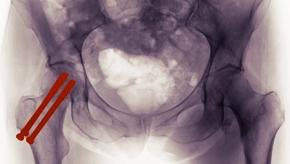
JAMA Review of Hip Fracture
The July 16th edition of JAMA reviews the highly prevalent problem of hip fractures - a major global health burden: 14.2 million occur worldwide annually (280,000 in the US), with global incidence higher in women (833.9/100,000) than men (510.0/100,000). Lifetime risk at age 50 is 22.9% for women, 10.7% for men. Mortality is substantial.
Read Article
ACP Position Paper on Dietary Supplements
More than half of U.S. adults use dietary supplements, yet only a quarter use supplements recommended by a healthcare professional, and current law lets supplements reach the market with no premarket safety evaluation, unlike drugs or food additives.
Read Article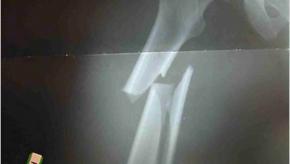
Do we need Better Strategies to Prevent Osteoporotic Fractures?
In a recent JAMA Viewpoints article, Dr. Susan Ott addresses several controversies in preventing osteoporosis (OP) related fractures.
Read Article
ICYMI: Glucocorticoid Injections in Knee Osteoarthritis
A randomized clinical trial of 60 patients found that glucocorticoid injections into the infrapatellar fat pad (IPFP) did not significantly reduce pain scores in patients with inflammatory knee osteoarthritis (compared to placebo).
Read Article
Spotlight on Comorbidities from EULAR 2026
Systemic autoimmune diseases are associated with increased cardiovascular morbidity and mortality – possibly through autonomic imbalance, myocardial inflammation, or fibrotic infiltration of the conduction system. A team in Colombia have been looking into the risk of
Read Article
Generic Tofacitinib (6.26.2026)
Dr. Jack Cush reviews the news and journal articles from RheumNow.com. Updates on tofacitinib, CAR-T therapy and AI.
Read Article