

All News
Rapid Loss of SARS-CoV-2 Antibodies in Mild Disease
According to a small, observational study out of UCLA published as correspondence in the NEJM on July 21, 2020, those with mild COVID-19 symptoms showed an approximate antibody half-life of 73 days.
COVID-19 infection was confirmed by PCR in 30 out of 34 study participants. The remaining four patients developed consistent symptoms and cohabitated with a person who had a known positive test but could not get testing due to availability or mild symptoms.
Higher Rates of SARS-CoV-2 Seropositivity in the USA
The number of reporting cases of COVID-19 infection tends to underestimate the true prevalence of infection as only the more severe cases (e.g.,acute respiratory syndrome) get tested or go to the hospital. JAMA Internal Medicine reports that a cross-sectional seroprevalence study from the U.S. shows that COVID-19 is underreported and that actual infection rates can be 6 to 24 times more prevalent than currently reported infections due to SARS-CoV-2.
Read Article
For TNF Response in RA, Weight Matters
Patients with rheumatoid arthritis (RA) who were obese were significantly less likely to remain on treatment with tumor necrosis factor (TNF) inhibitors -- but so were those who were underweight, a large, long-term study determined.
Compared with patients with normal weight, patients in obesity class II, whose body mass index (BMI) was 35 to 39.9, had a hazard ratio for shorter drug survival (i.e., the drug's effectiveness, safety, and tolerability) of 1.28 (95% CI 1.06-1.54), while those in obesity class III, whose BMI exceeded 40, had a hazard ratio of 1.67 (95% CI 1.29-2.18), according to Sytske Anne Bergstra, PhD, of Leiden University Medical Center in the Netherlands, and colleagues.

Steroids and Tocilizumab in Cytokine Storm Syndrome
A recent study from the Netherlands has shown that patients with severe COVID-19-associated cytokine storm syndrome (CSS) with high dose steroids and tocilizumab had a faster recovery, less need for invasive mechanical ventilation and fewer deaths when compared to CSS patients receiving supportive care only.
They studed COVID-19 patients with CSS, defined as rapid respiratory deterioration plus at least two of the following biomarkers: a) C-reactive protein >100mg/L; b) ferritin >900 µg/L; or c) D-dimer >1500 µg/L.

Risankizumab Outduels Secukinumab in Psoriasis
The IMMerge trial has demonstrated the superiority of interleukin (IL)‐23 over IL-17A inhibition adults with plaque psoriasis.
Read Article
RECOVERY Trial: Dexamethasone in COVID-19
Inflammatory events following infection with SARS-CoV-2 can often worsen the morbid or mortal outcomes with COVID, yet it has been unclear if glucocorticoids may modulate inflammation-mediated damage and lung injury. The RECOVERY trial reports that dexamethasone (DEX) use lowered 28-day mortality among COVID-19 patients requiring respiratory support.
The RECOVERY trial was performed in the UK and enrolled hospitalized COVID-19 patients who were randomly assigned patients to usual care alone or the addition of oral or intravenous dexamethasone (at a dose of 6 mg once daily) for up to 10 days. The primary outcome was 28-day mortality.
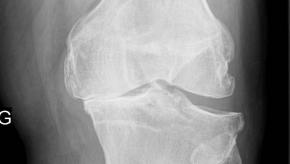
Meloxicam Superior to Placebo and Cognitive Behavioral Therapy in Knee OA
Pain management in knee osteoarthritis (OA) is confounded by studies showing less is equal to usual standards of care. A recent trial showed that meloxicam was superior to placebo or cognitive behavioral therap (CBT); although the differences were small.
Read Article
RheumNow Podcast – LTF – Listen to Fauci (7.17.20)
Dr. Jack Cush reviews the news, tweets and journal articles from the past week on RheumNow. Let's dig into this week's 14 highlights.

Anti-Rheumatic Therapies for COVID-19 Infection
Since the onset of the COVID-19 pandemic numerous anti-rheumatic therapies have been proposed as being potentially beneficial. The mechanistic effects of these agents, either presumed antiviral, anti-inflammatory and anti-thrombotic effects, may benefit mitigate the damage seen with COVID-19 infection.
This review will examine the potential benefits and existing evidence for treating suspected or proven COVID-19 infection with antimalarials, inhibitors of interleukin-6 (IL-6) or interleukin-1 (IL-1) Janus kinase (JAK) inhibitors, TNF inhibitors or colchicine. There are many other antirheumatic and immunosuppressive therapies that are in clinical trials that will not be reviewed here including IVIG, rituximab, calcineurin inhibitors (sirolimus, etc.), apremilast, emapalumab (anti-IFN gamma), etc.
JAK Inhibitor Succeeds as Monotherapy in Rheumatoid Arthritis
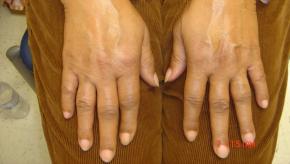
The oral Janus kinase (JAK) inhibitor upadacitinib (Rinvoq) given as monotherapy was more effective than methotrexate alone in methotrexate-naive patients with active rheumatoid arthritis (RA) in a multinational phase III trial.
Read Article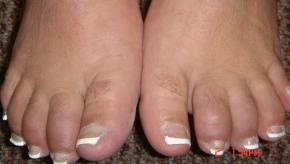
IL-17 Superior to TNF Inhibition in Psoriatic Arthritis
A one year head-to-head (H2H) trial has shown ixekizumab (IXE) to be superior to adalimumab (ADA) in psoriatic arthritis (PsA); for both skin and articular outcomes.
The SPIRIT H2H study was a 52-week trial of 566 biologic DMARD naive, PsA patients, randomized to received either IXE or ADA. The primary end point was at Wk 24, but the newly published data shows week 52 results for ACR50 and Psoriasis Area and Severity Index 100 responses.

Growing Risk of COVID Among Adolescents
The risk COVID-19 infection and mortality in the U.S. has been closely correlated with increasing age. However, recent data suggests that young adults (aged 18–25 years) have shown an increasing risk of COVID-19 infection since the pandemic began in March 2020.
Read Article
ICYMI: Protective Benefit of Colchicine in COVID-19 Infection
Colchicine has been advocated as a potential anti-inflammatory intervention in patients with the coronavirus 2 infection and clinical trials have been developed to assess its effect in early COVID-2 infection. JAMA has published a randomized clinical trial showing that low dose colchicine had less clinical deterioration without significant changes in biomarkers, such as high-sensitivity cardiac troponin and C-reactive protein.
Read Article
ICYMI: The Nine Lives of Hydroxychloroquine (Updated)
Hydroxychloroquine is one of many medications frequently used in rheumatology practice. Its remarkable versatility is attested by its routine use in lupus, in patients with an autoimmune coagulopathy, in patients with rheumatoid arthritis, as well as in those with a low-level inflammatory arthropathy.
Read Article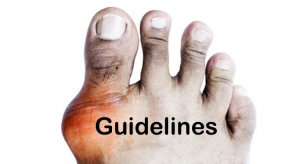
2020 ACR Gout Management Guideline
In May, the American College of Rheumatology (ACR) released the"2020 Guideline for the Management of Gout"reflecting new clinical evidence since the last guideline published in 2012.
Read Article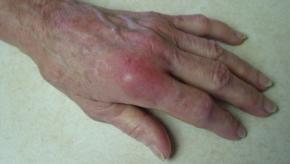
Coexistent Gout and Rheumatoid Arthritis
While it is often said there is a negative association between gout and rheumatoid arthritis (RA), cases of coexistent disorders are uncommonly seen. A recent VA study describes 121 patients whith both RA and gout.
Read Article
Liver Abnormalities in Psoriatic Arthritis
A new report in the Journal of Rheumatology shows that liver abnormalities are common in psoriatic arthritis (PsA) and may be associated with obesity, more severe disease and select therapies.
Read Article
Premature Atherosclerosis in Autoimmune Rheumatic Diseases
The VITAL study is a VA registry that has shown that both systemic lupus erythematosus (SLE) and rheumatoid arthritis (RA) patients carry higher odds of both premature and extremely premature atherosclerotic cardiovascular disease and its consequences.
Read Article
COVID's Multisystem Inflammatory Syndrome in Children
Two recent reports further characterize the newly described, Kawasaki-like, syndrome affecting children with COVID-19 infections.
The NEJM describes the childhood syndrome as having Kawasaki’s disease, fever, toxic shock syndrome, acute abdominal conditions, and encephalopathy; hence the label Childhood Multisystem Inflammatory Syndrome. The disorder emerged in late April 2020, first in the U.K., and then similar cases were reported from many other countries. The CDC named this multisystem inflammatory syndrome in children (MIS-C).

Dr. John Cush RheumNow ( View Tweet)

