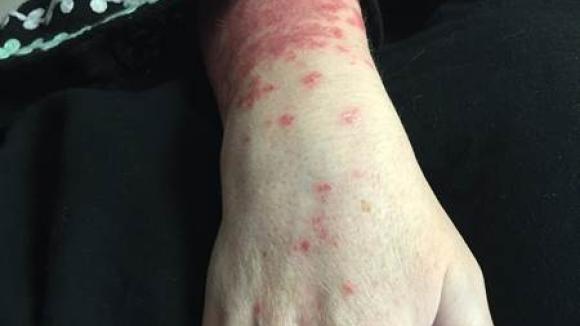
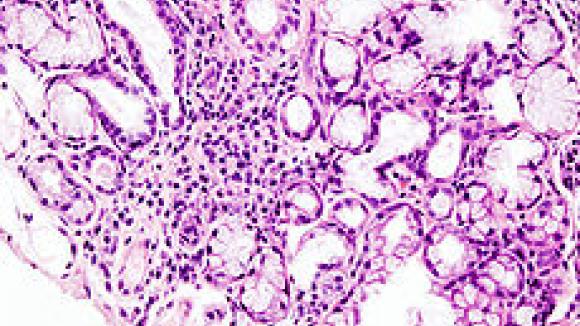
Patients taking efgartigimod, a drug being studied for use to treat chronic primary immune thrombocytopenia (ITP), exhibited a significantly greater improvement in platelet counts which are essential to clotting and stopping bleeding, compared to those taking a placebo, according to results repor
All News
A survey of 317 carers and clinicians focused on psoriatic arthritis has set an agenda of the top 10 research questions for psoriatic arthritis (PsA).
The biosimilar landscape will change dramatically in 2023, following the successful rollouts in other countries in Europe.
The Infectious Diseases Society of America has recently updated its recommendations with regards to the treatment of severely ill, hospitalized COVID-19 infected patients and also about the appropriate use of anti-IL-6, JAKs and colchicine.
A UK study suggests the equivalent outcomes when patients with interstitial lung disease (ILD) associated with connective tissue disease (CTD) are treated with either intravenous rituximab (RTX) or cyclophosphamide (CTX), but with fewer adverse events with RTX.
There is a large, unmet need in treating Sjögren’s syndrome, yet a new randomized clinical trial has shown that low-dose interleukin 2 (LD-IL-2) was effective effective and well tolerated in patients with primary Sjögren’s syndrome (pSS), with evidence of restored immune balance.
Deucravacitinib, an oral, selective TYK2 inhibitor, has demonstrated efficacy in a phase II trial active systemic lupus erythematosus (SLE) patients.
The assessment of disease activity in AxSpA involves the use of objective inflammatory response (OIR) and patient reported outcomes (PROs). In clinics, a combination of OIR and PROs are used to measure disease activity and response to treatment.
There has been much focus on the pharmacologic management of axSpA. Despite optimal control of inflammation, symptoms of fatigue and pain can persist. Long term use of analgesics including opioids carries significant risks. Strategies to improve response to treatment in this population is critical.
Inhibition of B-cell Activating Factor (BAFF) has revolutionised the treatment of patients with systemic lupus erythematosus. However, outcomes of therapies within the same class (i.e. BAFF-inhibitor) when evaluated in randomised controlled trials have been inconsistent.