
Article
Dr. Jack Cush reviews the news and journal reports from the past week on RheumNow.com. This week, rheumatologic problems incited by respiratory infections, air pollution and how you live, now where you live.

Search for Terms or Answers
Dr. Jack Cush reviews the news and journal reports from the past week on RheumNow.com. This week, rheumatologic problems incited by respiratory infections, air pollution and how you live, now where you live.

Guselkumab, an IL-2319-subunit antibody, was studied in active psoriatic arthritis (PsA) patients who had a previously inadequate response (IR) to tumour necrosis factor inhibitors (TNFi) and after 1 year was shown to significantly improved joint and skin manifestations and physical function.
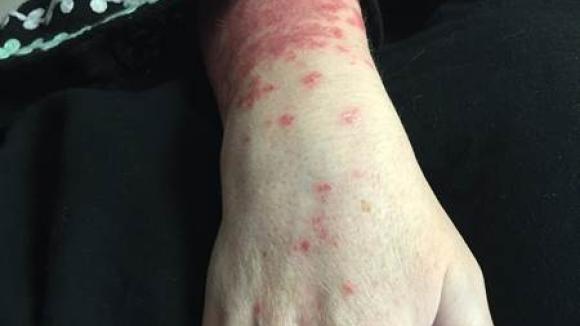
The American College of Rheumatology (ACR) is launching two new initiatives to reduce racial disparities in lupus clinical trials: Training to Increase Minority Enrollment in Lupus Clinical Trials with CommunitY Engagement (TIMELY) and new Continuing Medical Educatio
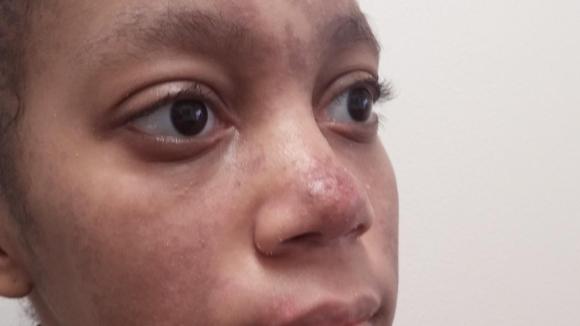
Data from the European Alliance of Associations for Rheumatology Coronavirus Vaccine registry shows that patients with with inflammatory or noninflammatory rheumatic and musculoskeletal disease have similar adverse event rates as the general public.

The annual Medscape Physician Burnout & Depression survey has been published for 2022 and Rheumatology burnout stats have improved, now ranking 10th (middle of the pack).

Rheumatoid arthritis (RA) is an autoimmune inflammatory disease of the joints, characterized by pain, swelling, and ultimately, if inadequately treated, joint destruction. Despite recent advances in laboratory testing and imaging, the diagnosis of RA remains a clinical one, according to experts.
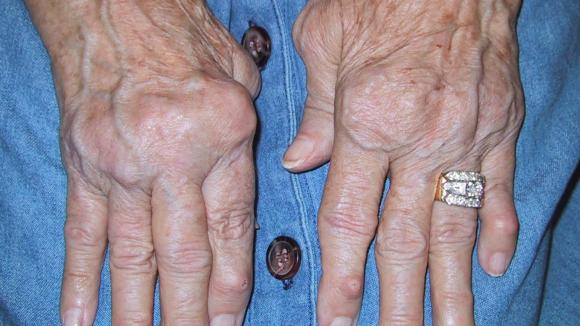
Drs. Jack Cush and Artie Kavanaugh review the highlights of the RWCS (Rheumatology Winter Clinical Symposium) from Maui.
Why did I end up a rheumatologist? Circumstance, personality types, horoscopes or what? A current study in BMJ sheds light on why.

Rheumatologists looking for clues to whether their patients with certain inflammatory myopathies will improve on immunosuppressive drugs may find them in a new study appearing in Arthritis Care & Research.
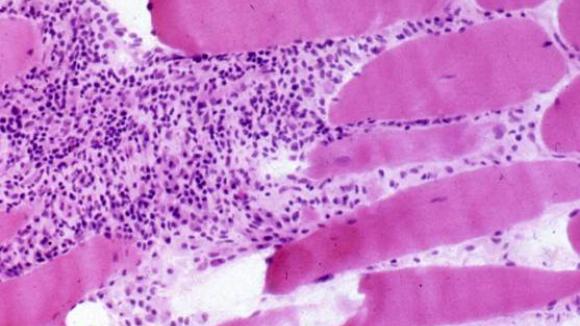
Using a large cohort of rheumatoid arthritis (RA) patients, Tumor-Necrosis Factor inhibitors (TNFi) were compared to non-TNFi biologic therapies and showed that poorer responses were seen in obese and underweight patients, with no clear superiority of non-TNFi therapy over TNFi therapy in an
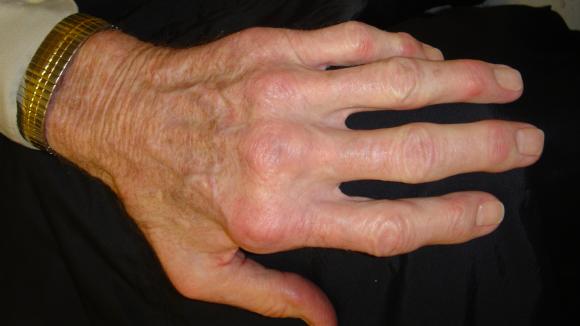
Patients enrolled in one of the pivotal trials of guselkumab (Tremfya) as therapy for psoriatic arthritis (PsA) and followed for 100 weeks continued to show significantly reduced symptoms relative to pretreatment baseline, researchers said.

The European League against Rheumatism (EULAR) has developed recommendations for cardiovascular risk (CVR) management in rheumatic disease patients based on literature review and expert consensus.

The consequences of medication non-adherence (NA) in rheumatoid arthritis (RA) care are numerous and damaging. A 6-month prospective cohort study of RA patients shows NA to vary according to drug type and be related to psychological, communicational, logistic, sociodemographic or clini
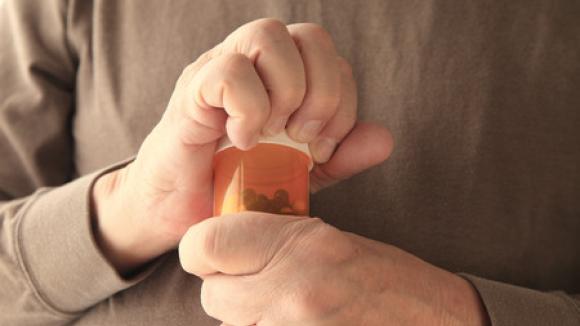
Interesting reports this week about dementia, who gets hand OA and a great list of women Heroes and Pillars of Rheumatology. Tune in as Dr. Jack Cush reviews the news and journal articles from this past week in RheumNow.com.
The integration of Telemedicine in to rheumatologic care was ignited by pandemic restrictions in early 2020 and since the advantages and disadvantages have been debated.

Arthritis & Rheumatology has published the results of the Nor-Hand study, showing that pain hand osteoarthritis (OA) was related to a higher body mass index (BMI) and also to inflammatory adipokines, such as leptin.
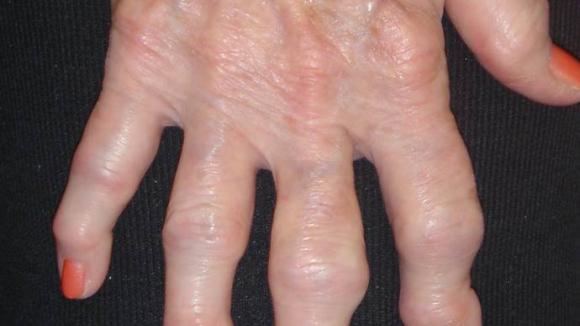
A Task Force from the ACR has provided an updated (version 3) guidance for the diagnosis and management of Multisystem Inflammatory Syndrome in Children (MIS-C), a COVID related condition characterized by fever, inflammation, and multiorgan dysfunction.

Osteoarthritis (OA) of the hand was less severe according to objective and pain-related markers in Black patients versus those of other racial/ethnic groups after adjustment for known risk factors, researchers found.
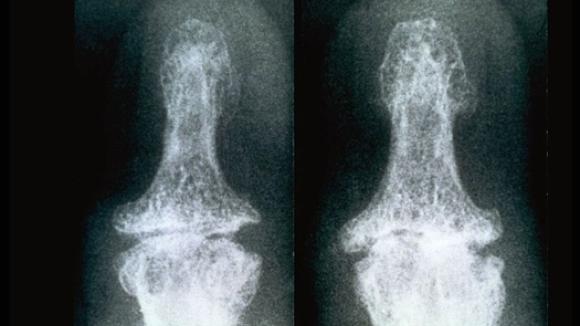
The results of the VITAL study (presented at ACR 2021) are now published by BMJ, showing that vitamin D and omega 3 fatty acids reduce the overall risk of autoimmune disease (AID) in a population based intervention trial.

By downloading this material, I acknowledge that it may be used only for personal use and personal education and that I will accredit RheumNow.com as the source and owner of this material. Commercial use or mass reproduction of this material without permission from RheumNow (info@rheumnow.com) is prohibited.


