Article
Is your patient’s refrigerator the problem with the inefficacy of biologic therapies? Studies show most patients don't store their biologics correctly, which may be a source of limited drug efficacy.

Search for Terms or Answers
Is your patient’s refrigerator the problem with the inefficacy of biologic therapies? Studies show most patients don't store their biologics correctly, which may be a source of limited drug efficacy.

Since 2000, the German Biologics register (BiKeR) has prospectively enrolled children with juvenile idiopathic arthritis to assess outcomes with biologic therapies. A new report evaluates the efficacy and safety of etanercept (ETA), tocilizumab (TOC) and the interleukin-1 inhibitors (anakin
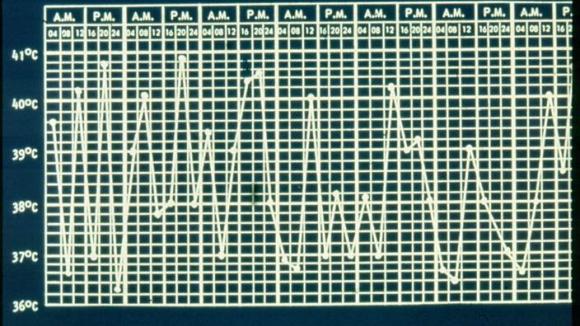
Dr. Jack Cush reviews a dozen highlights from the past week on RheumNow.com.

The Journal of Clinical Investigation reports results of a study showing that increases in CD21lo B cells and plasmablasts following that combination checkpoint blockade preceded the onset of immune-related adverse events.
While some have postulated that IRAEs are thought to be T cell mediated, B cells have also been implicated. Investigators studied 39 melanoma patients undergoing treatment with either anti-CTLA4 or anti-PD1, or combination CCB therapy. They analyzed changes in circulating B cells before and after the first cycle of therapy of immune checkpoint blockade (23 received combination therapy, 8 received anti-CTLA4, and 8 received anti-PD1).

MedPage Today Editors surveyed a few rheumatologists for their major news predictions in 2018. Read on for predictions regarding drug pricing, biosimilars, autoimmunity and checkpoint inhibitors, and thrombotic events and JAK inhibition.

Dr Jack Cush reviews the news and journal articles from the past week on RheumNow.com.
Myeloablative autologous stem cell transplantation was significantly more effective than 12 months of cyclophosphamide among patients with severe scleroderma, an open-label multicenter study found.

An editorial and systematic review of complications seen when checkpoint inhibitor (CPI) therapies are given to patients with immune mediated inflammatory disorders (IMIDs) and cancer shows that nearly 75% manifest autoimmune and inflammatory immune-related adverse events (irAEs).
The Journal of Rheumatology has published a nationwide survey of US rheumatologists and shown that despite trends for increasing metric assessments, nearly half of rheumatoid arthritis (RA) patients are not routinely assessed with a disease activity metric and the evidence they

Patients with ankylosing spondylitis (AS) have shown rapid and sustained responses to secukinumab (Cosentyx) in a third phase III trial that includes a higher dose of this anti-interleukin-17A monoclonal antibody, researchers reported.
The British Society for Rheumatology/British Health Professionals in Rheumatology first published a guideline for the management of gout in 2007. They have just updated and published their new guideline, largely because of new therapies, an increasing incidence of gout, low penetrance of urate lowering therapies, and the inability to achieve a target serum uric acid level.
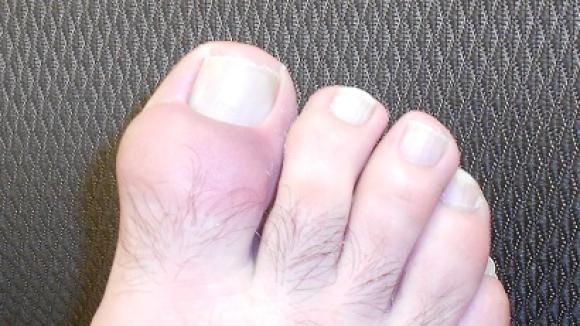
In this Therapeutic Update, Drs. Mease, Gibofsky and Cush answer five questions regarding the August 3rd FDA Arthritis Advisory Committee meeting that reviewed the potential approval of tofacitinib (Xeljanz) in patients with active psoriatic arthritis. The panel was nearly unanimous (10-1) in favor of the efficacy and safety profile of of tofacitinib, and similarly voted 10-1 to approve this drug for use in PsA. Final decisions on these recommendations from the AAC panel will be made at a later date by the FDA.

Hypertension, nephrolithiasis and chronic kidney disease (CKD) commonly associates with gout. While there is a clear need to dose adjust NSAIDs and colchicine in those with CKD, there is some debate about the need to dose adjust when using allopurinol with CKD.
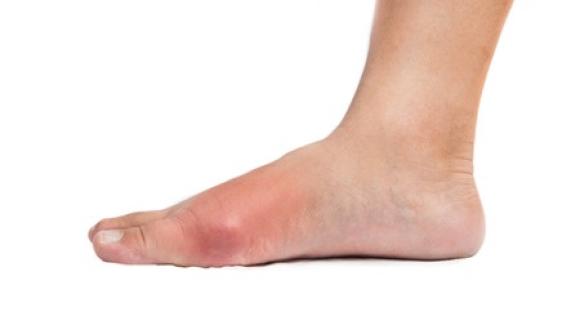
Serum uric acid (SUA) levels are clearly linked to gout. Researchers from Harvard have systemically reviewed the literature to quantify the risk of onset and flare with varying levels of SUA.
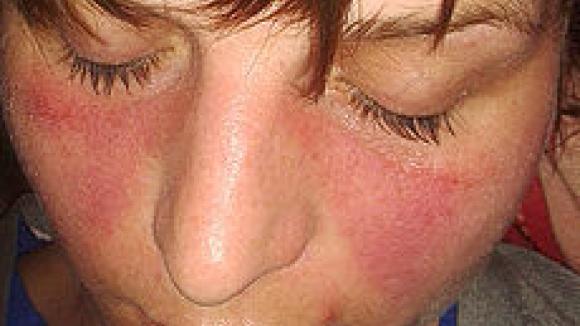
Despite large randomized trials failing to show the efficacy of RTX in SLE (LUNAR, EXPLORER), uncontrolled observational data suggests possible efficacy and safety of RTX in refractory SLE.
Curtis and colleagues have analyzed the certolizumab (CZP) RAPID1 and RAPID2 trials to assess the risk of serious infectious events (SIEs), and shown that steroids combined with an age-adjusted comorbidity index (AACI) yields a 2-3 fold predictable risk for SIE.

A 2017 international committee of experts met to assess and revise its earlier 2012 recommendations regarding treating to target in patients with psoriatic arthritis (PsA) and axial peripheral spondyloarthritis (SpA).
Drug Safety has published a systematic review of the FDA’s Adverse Event Reporting System (FAERS) and finds numerous reports of thromboembolic adverse events (AEs) associated with two currently marketed Janus kinase (JAK) inhibitors, tofacitinib (Xeljanz) and ruxolitinib (Jakafi).
The PRECISION trial reported last year that celecoxib appears to be safer than the NSAIDs naproxen or ibuprofen in treating osteoarthritis (OA) and rheumatoid arthritis patients who are at increased cardiovascular risk. New data suggests that adding aspirin may nullify this advantage, according to a study presented at the annual American Heart Association meeting and reported by Medscape.

By downloading this material, I acknowledge that it may be used only for personal use and personal education and that I will accredit RheumNow.com as the source and owner of this material. Commercial use or mass reproduction of this material without permission from RheumNow (info@rheumnow.com) is prohibited.