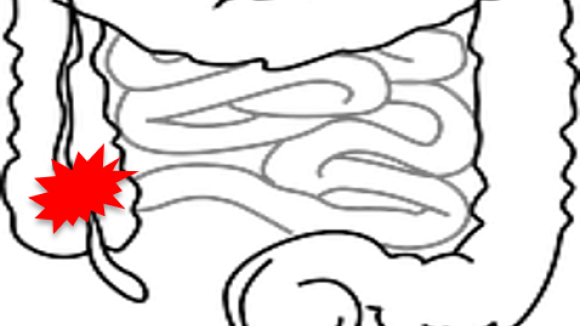
Gastrointestinal perforations (GIP) are not historically believed to be a common or uncommon complication. Hence, when this was noted in the tocilizumab (TCZ) and tofacitinib (TOFA) developmental trials, it was a curious if not perplexing finding.
All News
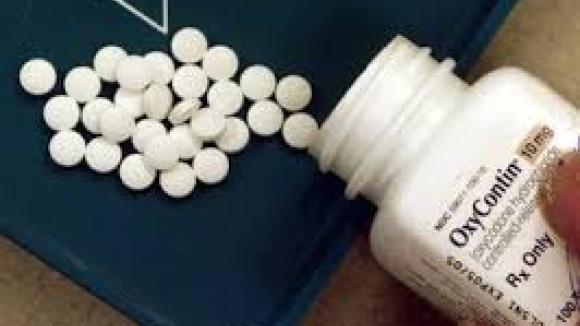
Pain management in the U.S. is at a vexing crossroad. The news tells us that narcotics are increasingly being restricted for their dangerous side effects and inappropriate use.
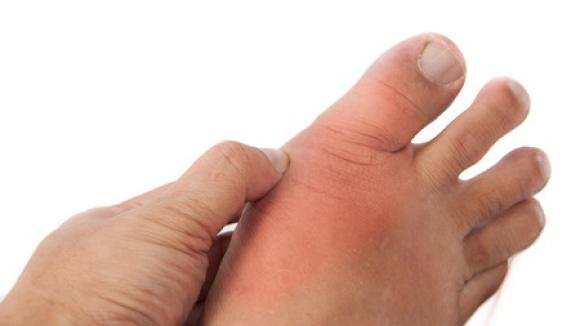
Good news for gout patients includes the recent approval of Zurampic (lesinurad), a URAT-1 inhibitor, and that effective urate-lowering therapy has significant long-term cardiovascular benefits.
Dr. Cush reviews highlights from this week on RheumNow.com.
Selective IL-23 inhibition has been touted to be the next great advance in the treatment of inflammatory bowel and psoriatic disease.
In an era of increasing fears over narcotic abuse and narcotic-related deaths, the number of opioid prescriptions in the United States is finally falling, the according to the NY Times.
The initial choice of biologic is crucial to long-term success. Yet there are few studies evaluating head-to-head differences in some of our most popular therapies.
The New York Times reports that the FDA has delayed its much anticipated ruling on generics until sometime in 2017.
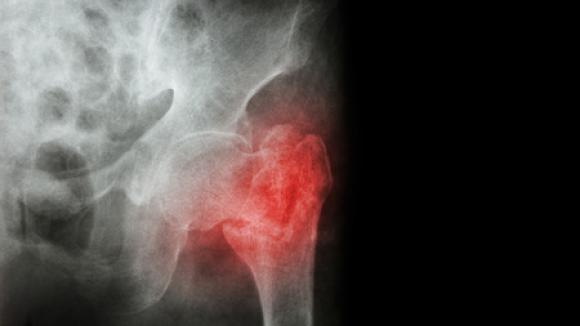
Rare reports of bisphosphonate associated atypical femoral fractures (AFF) and osteonecrosis of the jaw (ONJ) have raised concerns about the chronic use of bisphosphonates. The risk of AFF and ONJ was assessed in an analysis of the Swedish national database.
Two recent surveys show that gout patients are often uninformed, undertreated, improperly monitored and frequently stigmatized by their gout.
Singh and coworkers have assessed the value of adding a biologic to rheumatoid arthritis (RA) patients not responding to either methotrexate (MTX) or DMARDs. The results of their netowork metanalsysis is published as a Cochrane review wherein they examined a total of 90 RCTs (73 new) with 32
Secukinumab (Cosentyx) has recently been approved for use in ankylosing spondylitis and psoriatic arthritis; the latter largely based on the FUTURE 2 and the just reported FUTURE 1 clinical trial. FUTURE 1 demonstrates the efficacy and safety of secukinumab, with inital weekly intravenous loading, given monthly as a subcutaneous injection.
Generics are being approved at a record-setting pace. Thanks to the 2012 FDA Safety and Innovation Act, there are new funds generated by manufacturers' fees for drug applications to hasten the approval of generics. In 2015 alone, the FDA has approved 580 generic drugs – the highest number on record – while another 146 were granted tentative approval.
How would you manage rheumatoid arthritis patients with melanoma in situ, or high liver enzymes or interstitial lung disease? Curbside consults takes on these challenging therapeutic or safety issues with answers are based on experience, literature and guidelines.
An advisory panel to the Food and Drug Administration met May 3rd and 4th to review whether the long-acting or extended release (ER/LA) opioid REMS programs approved in 2012 have had a meaningful effect on the opioid abuse problems noted nationwide. The FDA panel voted overwhelming
Interchangeability is a major issue that will determine the success of biosimilars.
Doshi and colleagues have conducted a retrospective claims analysis (2009 through 2012) of psoriasis patients on Medicare to examine the use and adherence to those initiating treatment with either infliximab, etanercept, adalimumab, or ustekinumab.
Watch Dr. Jack Cush cover ten highlights from this week on RheumNow.com.
Major advances in biosimilars have occurred in the last three months, beginning with the FDA Arthritis Advisory Committee voting 21-3 to approve Celltrion’s Inflectra (CT-P13) and ending with the recent approval of Inflectra (generically referred to as infliximab dyyb).
At the 2016 World Congress on Osteoarthritis (OARSI) meeting last week, first line results of a novel intraarticular inhibitor of the Wnt pathway (SM04690) in knee osteoarthritis were presented.