The FDA issued a new consumer update on what you need to know about Cannabis or Cannabis-derived Compounds, Including CBD. This is part of the FDA effort to answer questions about the science, safety, and quality of products containing cannabis and cannabis-derived compounds, particularly CBD.

All News
Patients with rheumatoid arthritis (RA) treated with abatacept (Orencia) had a lower risk of developing diabetes mellitus compared with those receiving certain tumor necrosis factor (TNF) inhibitors, a large cohort study suggested.
On April 11th, the ACR Board of Directors approved a COVID-19 guidance document written by an ACR task force charged with updating and clarifying recommendations for rheumatologists and rheumatic disease patient management during the current COVID-19 crisis.
The monoclonal antibody guselkumab (Tremfya), which binds the interleukin (IL)-23 p19 subunit, was effective for psoriatic arthritis in two large clinical trials, providing comprehensive benefits for this heterogeneous disorder, investigators reported in The Lancet.
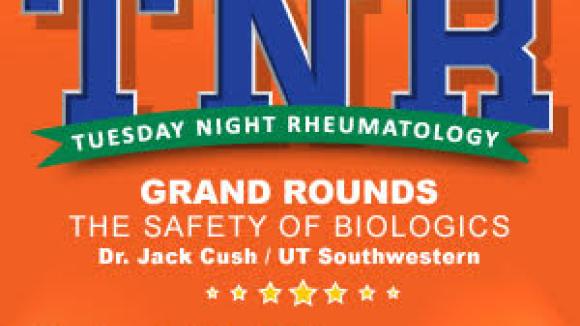
On Tuesday, April 7th, RheumNow hosted its first Tuesday Nite Rheumatology webinar - kicking off a two-month series of Rheumatology Grand Rounds lectures. The first session featured Jack Cush, MD (UT Southwestern) who lectured on "The Safety of Biologics and Newer Agents".
On April 3rd, the National Institute for Health and Care Excellence (NICE) in the UK, published a rapid guideline for managing children and adults with rheumatological autoimmune, inflammatory and metabolic bone disorders during the COVID-19 pandemic, while protecting staff from infection.
Dr. Jack Cush reviews the news on COVID-19 and FDA actions this past week. Be sure to check out:
The March 31 release of the Morbidity and Mortality Weekly Report (MMWR) reviews the impact of several key comorbidities, most commonly diabetes mellitus, chronic lung disease, and cardiovascular disease, as cofactors leading to worse outcomes with COVID-19 infections. Below are e
Dr. Jack Cush reviews the news and COVID developments from this past week.
The American College of Rheumatology (ACR) has published a guidance document on infusions and office based therapies.
Drs. Cush and Kavanaugh discuss the downside of stopping hydroxychloroquine, DMARDs and biologics in lupus, RA and pregnancy.
In the midst of a global pandemic of the 2019 Novel coronavirus acute respiratory disease (COVID-19), a small handful of Rheumatologists gathered on social media to collectively grapple with the impact of this virus on vulnerable populations with rheumatic disease.
With the COVID-19 pandemic dynamically changing, we have provided several news items germane to the Rheumatologist.
Ready for telemedicine/telerheumatology?
Once you and your patient agree on a virtual visit, the following suggestions may help facilitate the interaction. If you have the ability and the capacity, record the visit.
As the highly virulent SARS-CoV-2 spreads over the world, uncertainty and fear for our patients with rheumatic diseases mount.
We are in the early stages of trying to limit the morbid and mortal consequences of the corona virus pandemic of 2020. Not surprisingly, the recommendations designed to limit exposure and damage continually highlight the fact that the elderly and immunosuppressed may be amongst the most severely affected should they become infected with this virus.
This has led to a great deal of uncertainty by patients and providers about how rheumatic diseases and their treatments need to be specifically addressed.
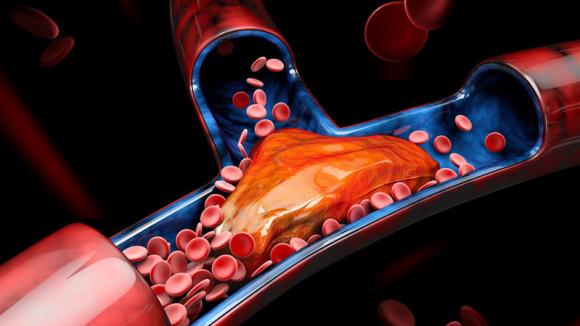
On 14 November 2019 the European Medicines Agency (EMA) concluded that Xeljanz (tofacitinib) could increase the risk of blood clots in the lungs and in deep veins in patients who are already at high risk. These recommendations have been formally published and are intended for EU nation
A full-read, novel Viewpoint article published in the Annals of Rheumatic Disease (Huizinga TWJ, et al) spotlights a recent international meeting of big thinkers, scientific collaborators and industry dedicated to innovation in rheumatology.
Science Translational Medicine features a report from the Fred Hutchinson Cancer Research Center showing that a scopion venom peptide, coupled to steroid, can significantly reduce joint inflammation in a rat model of rheumatoid arthritis (RA).
Updates on Psoriatic Arthritis at ACR 2018
I think 2018 was the year that belonged to psoriatic arthritis (although some may argue in favor of immune conditions induced by Checkpoint inhibitors). Many years ago the late Professor Verna Wright in Leeds (UK) was a lone voice for many years describing the clinical subtypes of Psoriatic arthritis as something distinctive from rheumatoid arthritis. For a long time we thought that the treatments for PsA were just the same as RA since we were treating the same problem of synovitis.