
Article
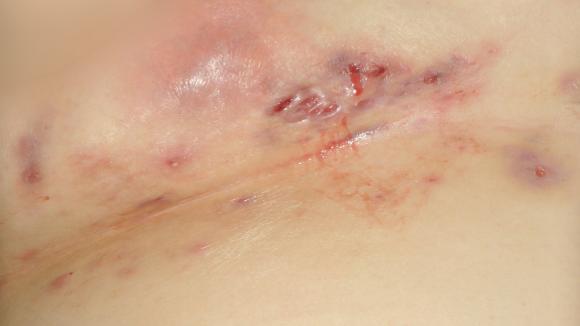
JAMA Dermatology reports that patients with hidradenitis suppurativa have significantly more comorbidities than do patients with psoriasis.

Search for Terms or Answers
JAMA Dermatology reports that patients with hidradenitis suppurativa have significantly more comorbidities than do patients with psoriasis.
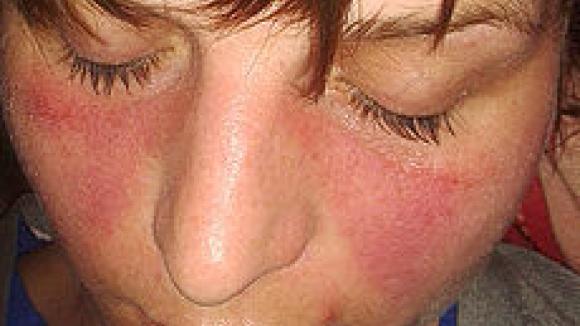
The goal of SLE treatment is remission or low disease activity and flare prevention. Hydroxychloroquine is recommended in all patients with lupus, at a dose not exceeding 5 mg/kg real body weight. Glucocorticoids (GC) should be minimised to less than 7.5 mg/day (prednisone equivalent). Appropriate initiation of immunomodulatory agents (methotrexate, azathioprine, mycophenolate) can be tailored to the clinical scenarios and may allow for tapering or discontinuation of GC.

A French cohort study of 625 systemic sclerosis (SStc) patients has found a significantly increased mortality risk that can be predicted by common clinical variables.

The advent of "big data" and "-omics" technologies offers hope that clinicians will soon have better diagnostics for systemic lupus erythematosus, rheumatologists here were told.

Prior to the introduction of tocilizumab to manage giant cell arteritis (GCA), glucocorticoids (GC) have been the mainstay of therapy, but has been limited by relapses in disease.

What clinical features best identify early systemic lupus erythematosus (SLE) patients from mimics? A multicenter, multinational study aimed to evaluate manifestations at disease onset and to compare early SLE manifestations to those of diseases mimicking SLE.
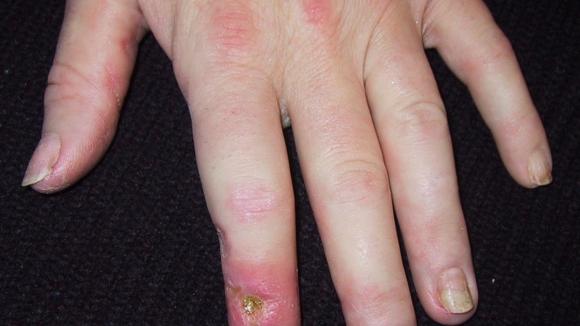
A twin registry database study was presented at the Endocrine Society's annual meeting (ENDO 2019) in New Orleans, showed that that having autoimmune disease significantly increases the risk of other autoimmune disorders and that autoimmune clustering was highest in Addison's disease and vit

Rates of resistant hypertension were doubled among patients with systemic lupus erythematosus (SLE), significantly increasing their mortality risks, a retrospective single-center study found.

The mortality rate from end- stage renal disease (ESRD) in lupus nephritis (LN) patients has significantly decreased in the last decade.

A Lancet study has shown that adding cyclosporin to intravenous immunoglobulin (IVIG) Kawasaki disease patients, who were predicted to be resistant to IVIG, was both safe and effective in averting severe coronary artery outcomes.

The Myopathy Committee of the Brazilian Society of Rheumatology (BSR) has put forward recommendations for the management of patients with systemic autoimmune myopathies (SAM).

A EULAR international committee of 15 experts in pediatric rheumatology have established consensus-based recommendations for the management of juvenile localised scleroderma (JLS).

The Swedish Society of Rheumatology has developed evidence-based guidelines for the management of giant cell arteritis (GCA) with a focus on the appropriate use of corticosteroids and tocilizumab.

Children of autoantibody-positive mothers who were born with congenital heart block were at high risk for developing later cardiovascular and autoimmune disorders, as were their siblings, Swedish researchers reported.

Data from the longitudinal Tromsø Lupus Cohort study has shown that lupus patients who achieve a Lupus Low Disease Activity State (LLDAS‐50) were shown to have significantly less severe damage, and a reduction in mortality.
This was a population‐based study of SLE patients in the northern‐most counties of Norway.
Menter and colleagues from the American Academy of Dermatology (AAD) and National Psoriasis Foundation (NPF) have published their expert consensus guidelines for the use of biologics in psoriasis.

A multidisciplinary Canadian task force has developed guidelines for vaccination in patients receiving immunosuppressive therapies, based on the evidence that immunosuppressive use in immune-mediated disease may be associated with an elevated risk of infections.

Silverman and colleagues have published their study of the fecal microbiome of systemic lupus erythematosus (SLE) patients and found roughly five times more gut bacteria known as Ruminococcus gnavus, and that these abnormalities in microbiota can correlate with measures of disease severity i

Dr. Jack Cush discusses the news from the past week on RheumNow.com - including the SEAM trial, MRI guided T2T, biologics and infection, contraceptive use, ANA negative lupus, etc.

PHAROS is a prospective cohort studying the natural history of pulmonary hypertension (PH) in systemic sclerosis (SSc). They have shown that risk factors for poor outcomes in this cohort included male sex, DLCO < 50%, exercise oxygen desaturation, and pericardial effusions.
By downloading this material, I acknowledge that it may be used only for personal use and personal education and that I will accredit RheumNow.com as the source and owner of this material. Commercial use or mass reproduction of this material without permission from RheumNow (info@rheumnow.com) is prohibited.

