
Article
Researchers from Yale have taken a novel approach and shown benefits when using tofacitinib in severe cutaneous sarcoidosis.

Search for Terms or Answers
Researchers from Yale have taken a novel approach and shown benefits when using tofacitinib in severe cutaneous sarcoidosis.

Pregnancy and drug safety is a complex issue, often with limited information about maternal drug exposure on the offspring. Greater uncertainty exists when considering whether paternal exposure may also influence fetal outcomes.

Ronald F van Vollenhoven and colleagues have reported in Lancet that ustekinumab (UST), an interleukin-12 and -23 inhibitor, when added to usual therapy in systemic lupus erythematosus (SLE) patients, was shown to be superior to placebo at improving clinical efficacy and laboratory param

Stem cell clinics are popular and proliferating as they are largely a cash business and fall outside of FDA regulatory control. In lieu of scientific proof, most advocates use patient testimonials and the placebo effect to back up their claims.
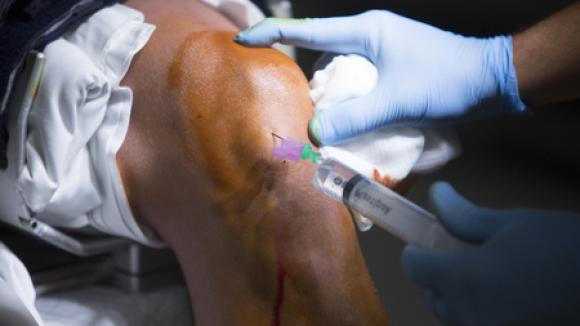
Dr. Jack Cush reviews the news from RheumNow for the week ending 12/21/18.

No significant differences in risk for venous thromboembolism (VTE) were seen in patients with rheumatoid arthritis (RA) treated with tofacitinib (Xeljanz) and those receiving tumor necrosis factor (TNF) inhibitors, analysis of administrative data showed.

Lilly has issued an advanced press release on its SPIRIT-H2H trial, wherein ixekizumab (Taltz) was shown to be more effective than than adalimumab (Humira) in a 24 week psoriatic arthritis study.

Dr. Jack Cush reviews the news from the past week on RheumNow.com.

Johnson & Johnson has announced the preliminary results of its phase 3 ECLIPSE study; a head-to-head trial wherein guselkumab (Tremfya; an IL-23 inhibitor) was compared to secukinumab (Cosentyx; an IL-17 inhibitor) in adults with moderate to severe plaque psoriasis.
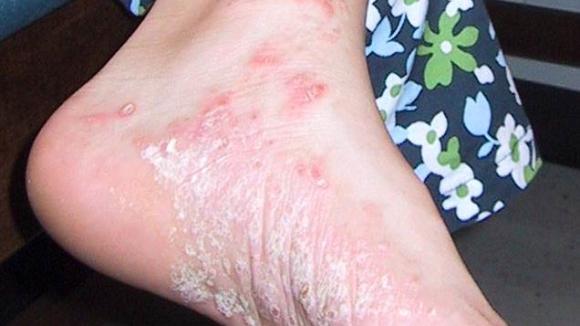
B-cell depletion may offer a means of delaying the onset of clinical arthritis in adults at high risk, according to the PRAIRI study - a proof-of-mechanism study in pre-clinical RA patients.

The American College of Rheumatology (ACR) and National Psoriasis Foundation (NPF) have released a joint treatment guideline for psoriatic arthritis (PsA) that provides evidence-based pharmacologic and non-pharmacologic recommendations and includes recommendations on other management issues inclu

Another, new Janus kinase 1 (JAK1) inhibitor is out with impressive data - this time its filgotinib, demonstrating its efficacy and safety two separate clinical trials of patients with psoriatic arthritis or ankylosing spondylitis.

Dr. Jack Cush updates the news and reports from the past week at RheumNow.com:
Hereditary angioedema is a rare autosomal dominant disorder due to C1 inhibitor deficiency (type I) or dysfunction (type II) that leads to dysregulated plasma kallikrein activity, excess bradykinin production, and unpredictable potentially life-threatening recurrent angioedema attacks.
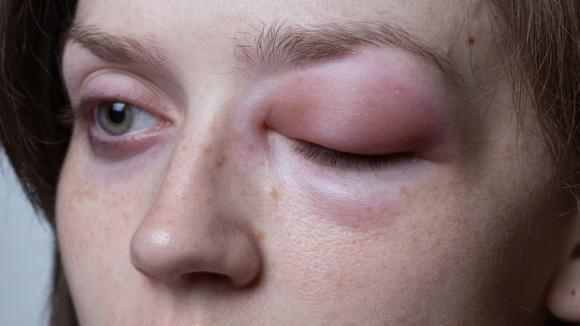
The U.S. Food and Drug Administration on Wednesday approved Celltrion biosimilar of rituximab called Truxima; previously called CT-P10, now generically labeled as rituximab-abbs. This is the first biosimilar to the Rituxan currently approved to treat non-Hodgkin’s lymphoma. Truxima is not approved for use in rheumatoid arthritis, vasculitis, pemphigus vulgaris or chronic lymphocytic leukemia.
The first drug specifically for primary hemophagocytic lymphohistiocytosis (HLH) was approved today, the FDA announced.
The AURA-LV trial assessed voclosporin, a calcineurin inhibitor in patients with active lupus nephritis (LN) and found that low-dose voclosporin may be successfully added to mycophenolate mofetil and corticosteroids to controll active LN.
Methotrexate has been shown to reduce cardiovascular (CV) deaths in rheumatoid arthritis (RA) patients. Given that inflammation underlies the pathogenesis of atherothrombosis, Dr. Paul Ridker and colleagues studied the value of low dose methotrexate (MTX) in preventing cardiovascular events.

Dr Jack Cush reviews the News and Journal reports from the past week on RheumNow.com. Be sure to check out our upcoming meeting in March 2019 - RheumNow Live.
Boston researchers have found that in a large cohort study of patients receiving rituximab (RTX), most were not being monitored for hypogammaglobulinemia, despite the observed significant increase in severe infections and increased mortality in RTX treated patients.

By downloading this material, I acknowledge that it may be used only for personal use and personal education and that I will accredit RheumNow.com as the source and owner of this material. Commercial use or mass reproduction of this material without permission from RheumNow (info@rheumnow.com) is prohibited.