

All News

MAXIMISE Trial - Secukinumab Efficacy in Psoriatic Spondylitis Patients
The results of the novel MAXIMISE trial have been published, demonstrating that secukinumab significantly improved axial signs and symptoms in psoriatic arthritis patients with axial manifestations with inadequate NSAID response.
Read Article
RheumNow Podcast – Sweet Lies or Hard Truths? (2.26.2021)
Dr. Jack Cush reviews and discusses the news and Journal reports from the past week on RheumNow.com.
Read Article
Measureable Benefits to Treat-to-Target Management in RA
Desai and colleagues have published that when a learning collaborative group focused on a treat‐to‐target approach was compared to usual care, a modest but significant impact on implementation, treatment changes and patient outcomes in RA patients managed with a treat‐to‐target approach was seen.
Read Article
Higher Lupus Mortality Among Minority Populations
The February 19th MMWR reports that higher mortality rates in certain patients with systemic lupus erythematosus (SLE); data based on recent San Francisco County statistics showing a four fold higher mortality among Asian and Hispanic/Latina females with SLE.
Read Article
ANAGO Study - Anakinra for Gout Flare
The interleukin (IL)-1 receptor antagonist anakinra (Kineret) was not superior to triamcinolone for relieving gout flares, but had similar effects for pain reduction as the glucocorticoid, a randomized phase II study found.
Read Article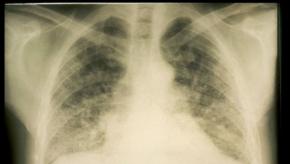
Lung Preservation with Tocilizumab in Early Systemic Sclerosis
Arthritis & Rheumatology has published the results of a subanalysis from tocilizumab (TCZ) clinical trials showing that Il-6 inhibition was associated with preservation of lung function patients with early systemic sclerosis (SSc).
Read Article
High Risk Cancer Profiling with Inflammatory Myositis
A recent metanalysis of studies suggest you may be able to use certain clinical factors to stratify cancer risk in patients with idiopathic inflammatory myopathies (IIMs).
Read Article
Avacopan - Is it Really a Win for ANCA-Associated Vasculitis?
The NEJM has reported the results of a study showing that avacopan, a C5a receptor inhibitor, is as effective as steroids at treating patients with antineutrophil cytoplasmic antibody (ANCA)–associated vasculitis (AAV).
Read Article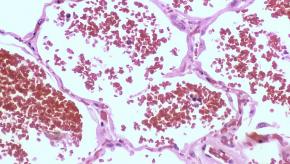
Alveolar Hemorrhage and Mortality in Lupus
Metanalysis of patients with diffuse alveolar hemorrhage (DAH), show this to be a rare and life-threatening complication of systemic lupus erythematosus (SLE), that is more apt to affect older, severe lupus patients with active infection.
Read Article
Weekly Semaglutide for Weight Loss in Adults
NEJM has reported the results of a trial showing semaglutide once weekly plus lifestyle intervention was associated with sustained, weight loss in overweight or obese adults; such that nearly one-third lost over 20% of their body weight.
Read Article
Synovial Tissue Signature Guiding Targeted IL-6 Therapy in RA
RNA sequencing and classification of RA subsets has proven useful. RNA sequencing-based stratification of RA synovial tissue showed stronger associations with clinical responses compared with histopathological classification. Additionally, for patients with low or absent B-cell lineage expression signature in synovial tissue, tocilizumab is more effective than rituximab.
Read Article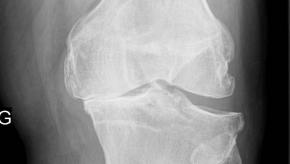
NSAIDs in Osteoarthritis: Study Suggests Need for New Look
Knee osteoarthritis (OA) patients using nonsteroidal anti-inflammatory drugs (NSAIDs) showed greater loss of medial minimum joint space width than did others taking other drugs, registry data indicated.
Read Article
Hydroxychloroquine Fails to Prevent COVID-19
There is a preponderance and mounting evidence that hydroxychloroquine is ineffective in COVID-19 infection; and now the NEJM reports a the results of a trial where HCQ given as post-COVID exposure therapy failed to prevent SARS-CoV-2 infection or symptomatic Covid-19 in healthy persons.
Read Article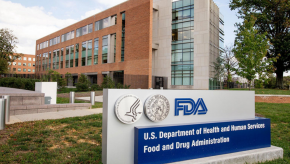
Cardiac and Cancer Signals Tofacitinib Safety Alert from FDA
The FDA has notified healthcare professionals of a safety alert concerning tofacitinib (Xeljanz), noting that preliminary results from a long-term safety clinical trial show an increased risk of serious heart-related problems and cancer with tofacitinib (compared to adalimumab) when given to
Read Article
Health Canada Approves Subcutaneous Infliximab Biosimilar
The infliximab biosimilar CT-P13, developed by Celltrion and marketed as Remsima has been approved by HealthCanad for subcutaneous (SC) use in all the indications for infliximab.
Read Article
Vagal Nerve Stimulation in Rheumatoid Arthritis
Lancet Rheumatology has reported the results of a proof of concept trial, wherein vagal nerve stimulation was shown to ameliorate RA disease activity. The intervention involved non-invasive stimulation of the auricular branch of the vagus nerve using a wearable vagus nerve stimulation device for up to 30 min per day, delivering pulses of 20 kHz.
Read Article
One-Third Rheumatoid Risk from Lifestyle
Analysis of the NHANES (National Health and Nutrition Examination Survey) data suggests that one-third of the risk of developing rheumatoid arthritis (RA) in the USA is attributable smoking, obesity and alcohol intake.
Read Article
RheumNow Podcast – Rheumatology Burnout (1.29.2021)
Dr. Jack Cush reviews this past week's journal articles and news features on RheumNow.com. Colchicine, vaccine rollout, risk of RA in endometriosis patients, tREACH trial, lupus nephritis news, rheumatology burnout and more.
Read Article
High Placebo Responses in SLE Trials
A systematic review by Urowitz and colleagues examined placebo responses in randomized controlled trials of non-renal, non-neuropsychiatric SLE patients showing unexpectedly high placebo responses; with more than one-third of the placebo-treated SLE patients responding by validated outcome measures.
Read Article
Links:
Dr. John Cush RheumNow ( View Tweet)

