
Article
The FDA has approved subcutaneous tocilizumab for use in Giant Cell Arteritis based on the phase III GiACTA study that demonstrated that TCZ with steroids was superior to steroid therapy alone.

Search for Terms or Answers
The FDA has approved subcutaneous tocilizumab for use in Giant Cell Arteritis based on the phase III GiACTA study that demonstrated that TCZ with steroids was superior to steroid therapy alone.
The FDA has approved sarilumab (Kevzara), a new IL-6 inhibitor co-developed by Regeneron and Sanofi's, for use in adults with moderate to severe rheumatoid arthritis (RA).

The DANBIO registrys has demonstrated that switching from infliximab (Remicade) to biosimilar CT-P13 (Inflectra in the U.S., Remsima in Europe) does not appear to have any negative effect on inflammatory arthritis disease activity, Danish researchers reported.

Treat-to-target education through group-based quality improvement sessions can result in wider use of treat-to-target in practice, according to researchers.

Lancet reports the results of the NOR-SWITCH study - a trial performed in Norway as biosimilars were being introduced.

Dr. Jack Cush highlights the big stories, news and articles from this week at RheumNow.com.
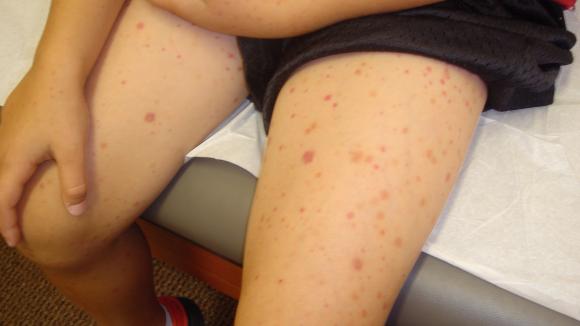
Adalimumab is currently FDA approved for use in adult psoriasis, pediatric Crohn's disease and polyarticular juvenile idiopathic arthritis. The current Lancet trial assesses the efficacy and safety of adalimumab in children and adolescents with severe plaque psoriasis.
Claims data analysis of 4245 psoriatic arthritis patients on TNF inhibitors showed both higher than expected durations of noncompliance and higher than label dosing - all at an increased cost.

Tofacitinib is currently approved for use in rheumatoid arthritis, but is being studied in numerous other inflammatory conditons including spondylitis, psoriasis, and psoriatic arthritis, and has also been studied in patients with ulcerative colitis (UC).

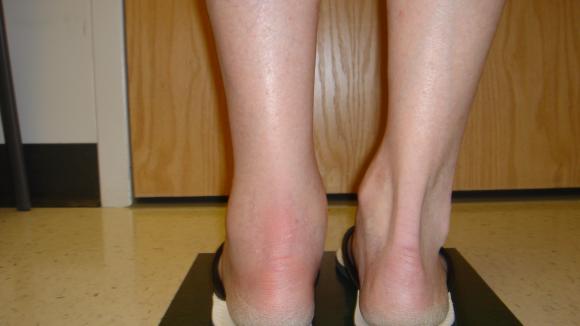
Enthesitis-related arthritis (ERA) is an emerging subset of juvenile idiopathic arthritis (JIA) recognized for its distinctive clinical characteristics.
Dr. Jack Cush reviews the news from the last week on RheumNow.com - from the ACR SOTA 2017 meeting in Chicago:
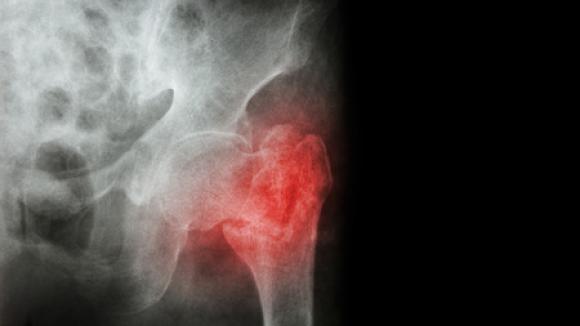
Extending bisphosphonate treatment beyond 3–5 years does not confer additional benefit in low-risk populations. Treatment re-initiation (usually 1–3 years after bisphosphonate withdrawal) depends on risk factors, new fractures and bone mineral density. The evidence regarding denosumab discontinuation is limited but caution is advised, as there may be a “rebound effect” with regard to fractures.
On the 21st of April, the FDA approved another infliximab biosimilar, called Renflexis (Infliximab-abda) following on the biologics license application of the South Korean manufacturer Samsung Bioepis Co. LTD. In early developmental trials this agent was also called SB2.

Dr. Jack Cush reviews highlights from the past week on RheumNow.com:
Something is curiously wrong when a drug induces the disease it is intended to treat. Yet this phenomenon has been described with all five FDA-approved TNF inhibitors.

Lancet has reported the results of risankizumab, an interleukin-23 (IL-23) inhibitor, in Crohn's disease. Risankizumab is a humanised monoclonal antibody targeting the p19 subunit of interleukin-23, and is being developed for Crohn's disease.
Eli Lilly and Company and Incyte Corporation announced today that the U.S. Food and Drug Administration (FDA) has delayed its' decision on baricitinib by issuing a complete response letter for baricitinib's New Drug Application.

Dr. Jack Cush reviews the past week's news, articles and advances from RheumNow.com.
An updated systematic literature review has provided reassuring evidence regarding the increasing safety of biologic disease-modifying anti-rheumatic drugs (DMARDs) in the treatment of rheumatoid arthritis (RA), European researchers reported.
The issue of medication management is a complicated one, especially in complex rheumatoid arthritis (RA) patients taking biologic or immunosuppressive drugs.
By downloading this material, I acknowledge that it may be used only for personal use and personal education and that I will accredit RheumNow.com as the source and owner of this material. Commercial use or mass reproduction of this material without permission from RheumNow (info@rheumnow.com) is prohibited.