
Article
A EULAR task force has updated its 2009 recommendations for the management of anti-neutrophil cytoplasmic antibody associated vasculitis.

Search for Terms or Answers
A EULAR task force has updated its 2009 recommendations for the management of anti-neutrophil cytoplasmic antibody associated vasculitis.
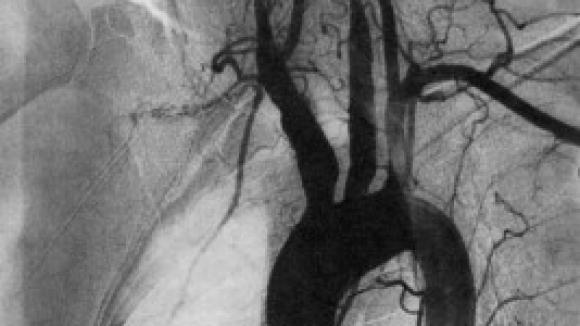
French researchers recruited 486 patients with giant cell arteritis (GCA) from over 40 centers throughout France, and compared their outcomes to age and sex matched individuals randomly selected from the general population. Both groups were followed for 5 years and assessed for the risk of serious infections.

In a variety of models, testosterone has been shown to be immunosuppressive and deficiency of testosterone has been linked with autoimmune disease and increases in C-reactive protein (CRP), tumor necrosis factor, and interleukin-6 (IL-6).
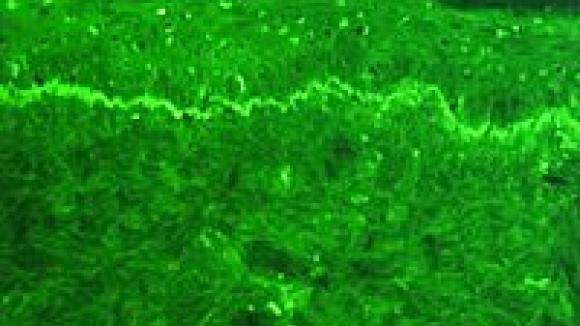
Sjogren's syndrome is a highly prevalent disorder, affecting women ten times more frequently than men. Although the typical onset follows menopause, a minority of women may develop primary Sjogren’s syndrome (pSS) during child-bearing years.

Blocking the type 1 interferon receptor with the monoclonal antibody anifrolumab shows promise as a treatment for moderate-to-severe systemic lupus erythematosus (SLE), according to a phase IIb study presented here.

The GiACTA study has published its top line results demonstrating the efficacy of adding tocilizumab (TCZ) to steroid-tapered therapy in patients with giant cell arteritis (GCA).
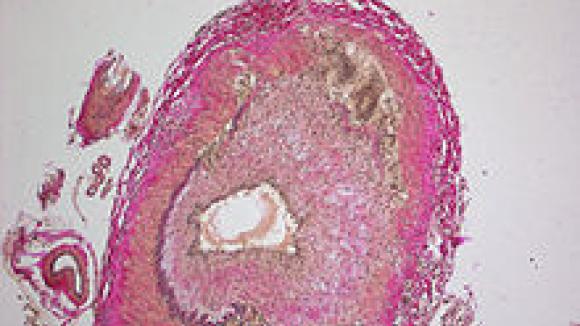
The damaging potential of many inflammatory disorders is magnified by well-known associated comorbid conditions. This is particularly true in lupus, rheumatoid arthritis and psoriatic disease.

Dr. Cush reviews highlights from this week on RheumNow.com.
Polymyalgia rheumatica (PMR) should be easy and responsive, but it can be a challenge and requires long-term steroid therapy. Problems often begin when steroid–induced side effects take their toll on a patient, especially in elderly adults.

Dr. Jack Cush reviews this week's news and research highlights from RheumNow.com.
While the phenotypes of RA and SLE are quite different, genome-wide association studies (GWAS) performed in the past have shown a genetic overlap between both.
Mechanisms underlying the pulmonary fibrosis of systemic sclerosis are poorly understood, yet are the focus of both research and new drug development.
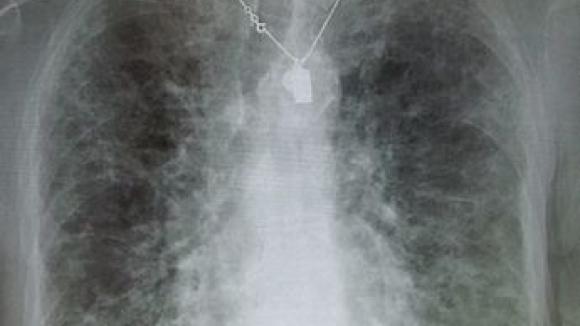
The widespread use of existing biologics has sometimes been associated with the paradoxical development of biologic-induced autoimmune phenomena, including vasculitis. A recent review of more than 200 vasculitis cases associated with biologic use has profiled the range of these unsual and rare events.
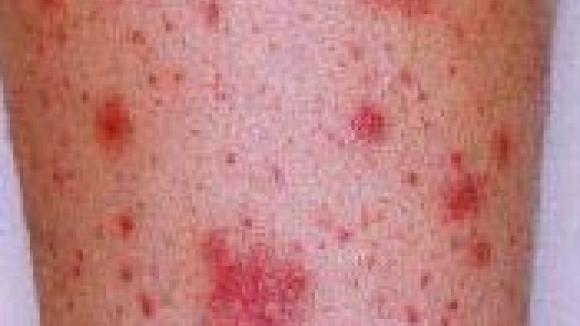
Khanna and coworkers have published the results of the DUAL-1 and DUAL-2 clinical trials (sponsored by Actelion Pharmaceuticals) testing the efficacy macitentan in reducing the number of new digital ulcers in patients with systemic sclerosis.
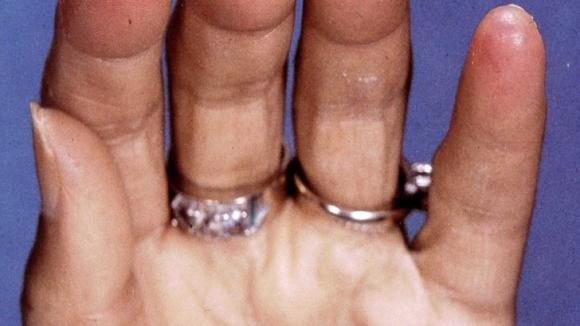
The results of the faSScinate trial were published in Lancet showing that treatment with Actemra (tocilizumab) resulted in a reduction in skin thickness and an improvement in lung function in patients with systemic sclerosis (SSc).

Idiopathic inflammatory myopathies (IIMs) may be complicated with life-threatening conditions requiring intensive care unit (ICU) admission. The outcomes of such complications may be dire, but there are few series addressing the outcomes of those admitted to the ICU.

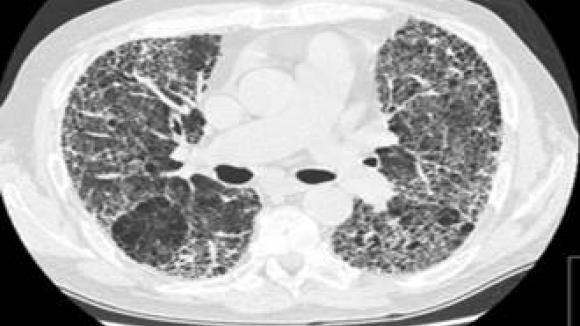
Like other extraarticular manifestations, rheumatoid (RA) or connective tissue disease (CTD) related interstitial lung disease (ILD) is difficult to identify early and equally challenging to treat.
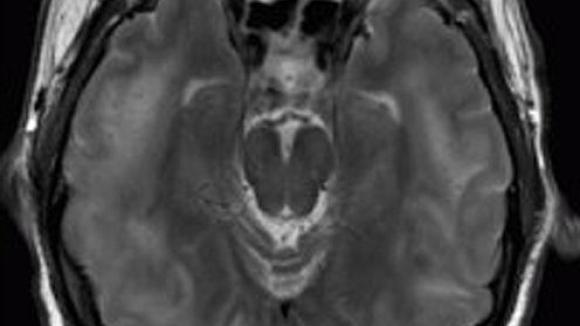
Posterior reversible encephalopathy syndrome (PRES) is a rare neurological disorder with many associations or causative factors that rarely includes autoimmune disorders and lupus.
Patients with systemic lupus erythematosus are at risk of cardiovascular events early in the course of disease -- and even before their lupus is diagnosed, an international study found.

Video recap of highlights from this week at RheumNow.com.
By downloading this material, I acknowledge that it may be used only for personal use and personal education and that I will accredit RheumNow.com as the source and owner of this material. Commercial use or mass reproduction of this material without permission from RheumNow (info@rheumnow.com) is prohibited.

