
Article
Dr. Jack Cush reviews the news, tweets and journal articles from the past week on RheumNow. Let's dig into this week's 14 highlights.

Search for Terms or Answers
Dr. Jack Cush reviews the news, tweets and journal articles from the past week on RheumNow. Let's dig into this week's 14 highlights.

Hydroxychloroquine (HCQ) helped reduce recurrent maternal autoantibody-mediated congenital heart block (CHB) in fetuses, an open-label study suggested.

Since the onset of the COVID-19 pandemic numerous anti-rheumatic therapies have been proposed as being potentially beneficial. The mechanistic effects of these agents, either presumed antiviral, anti-inflammatory and anti-thrombotic effects, may benefit mitigate the damage seen with COVID-19 infection.
This review will examine the potential benefits and existing evidence for treating suspected or proven COVID-19 infection with antimalarials, inhibitors of interleukin-6 (IL-6) or interleukin-1 (IL-1) Janus kinase (JAK) inhibitors, TNF inhibitors or colchicine. There are many other antirheumatic and immunosuppressive therapies that are in clinical trials that will not be reviewed here including IVIG, rituximab, calcineurin inhibitors (sirolimus, etc.), apremilast, emapalumab (anti-IFN gamma), etc.
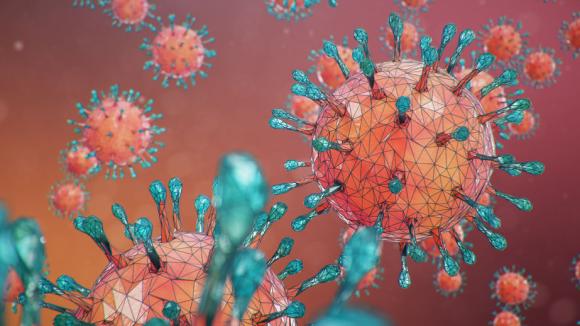
The oral Janus kinase (JAK) inhibitor upadacitinib (Rinvoq) given as monotherapy was more effective than methotrexate alone in methotrexate-naive patients with active rheumatoid arthritis (RA) in a multinational phase III trial.
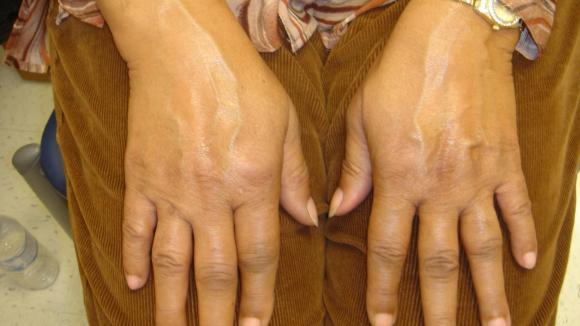
A one year head-to-head (H2H) trial has shown ixekizumab (IXE) to be superior to adalimumab (ADA) in psoriatic arthritis (PsA); for both skin and articular outcomes.
The SPIRIT H2H study was a 52-week trial of 566 biologic DMARD naive, PsA patients, randomized to received either IXE or ADA. The primary end point was at Wk 24, but the newly published data shows week 52 results for ACR50 and Psoriasis Area and Severity Index 100 responses.
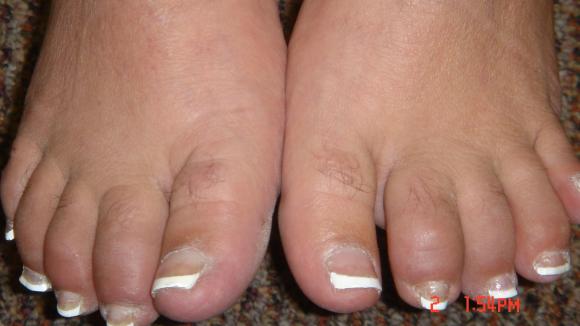
A new article in Nature Medicine delineates how our understanding of COVID-19 infection has evolved over time, such that the infection outomes may be worsened by extrapulmonary manifestations; notably thrombotic, cardiac, renal, gastrointestinal hepatic, neurologic, and other complications.
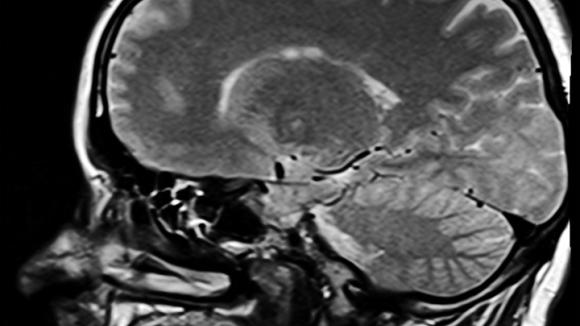
Colchicine has been advocated as a potential anti-inflammatory intervention in patients with the coronavirus 2 infection and clinical trials have been developed to assess its effect in early COVID-2 infection. JAMA has published a randomized clinical trial showing that low dose colchicine had less clinical deterioration without significant changes in biomarkers, such as high-sensitivity cardiac troponin and C-reactive protein.

A Lancet systematic review and meta-analysis provides the basis for physical distancing and the value of making as measures to prevent infection with coronavirus 2 (SARS-CoV-2) or COVID-19.
The analysis included 172 observational studies, no randomised controlled trials and 44 relevant comparative studies involving 25 697 patients.

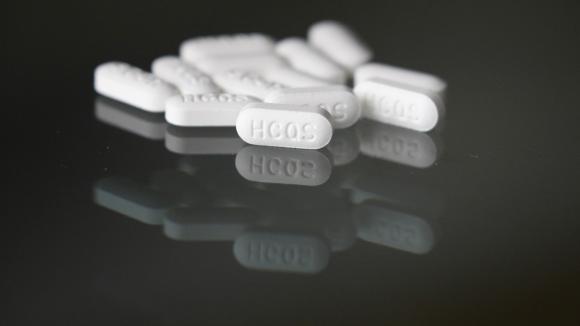
Hydroxychloroquine is one of many medications frequently used in rheumatology practice. Its remarkable versatility is attested by its routine use in lupus, in patients with an autoimmune coagulopathy, in patients with rheumatoid arthritis, as well as in those with a low-level inflammatory arthropathy.
By downloading this material, I acknowledge that it may be used only for personal use and personal education and that I will accredit RheumNow.com as the source and owner of this material. Commercial use or mass reproduction of this material without permission from RheumNow (info@rheumnow.com) is prohibited.


