Article
Dr. Jack Cush reviews the news and journal reports from the past week on RheumNow.com. Location matters; Geo-rheumatology?

Search for Terms or Answers
Dr. Jack Cush reviews the news and journal reports from the past week on RheumNow.com. Location matters; Geo-rheumatology?

There are numerous impediments to diagnosis or referral; and a new study evaluates patient use of a mobile artificial intelligence (AI)–based symptom checker for diagnoses, but demonstrated only modest accuracy when applied to a cohort of patients with joint symptoms.

Analysis of the National Health Interview Survey shows that nearly 1 in 5 patients with rheumatologic disease in the United States struggled economically, suffering from food insecurity and cost related medication (CRM) nonadherence.

A study from the Leiden Early Arthritis Clinic shows that is rheumatoid arthritis (RA) is diagnosed within 12 weeks after symptom onset, treatment costs were lower in both autoantibody-negative and autoantibody-positive RA.
This week on the RheumNow Podcast, Dr. Jack Cush reviews the news and journal reports of interesting, including irAE, pollution and Psoriasis, microwave therapy, scleroderma without scleroderma that only the best rheumatologists could discern.
The journal Pain has shown geographic differences in arthritis-attributable pain, arthritis-related outcomes mostly clustered in the Deep South and Appalachia, while severe arthritis pain is more prevalent in the Southwest, Pacific Northwest, Georgia, Florida, and Maine.
Johns Hopkins Hospital in Baltimore has been named the top hospital for rheumatology by U.S. News & World Report. This is the 7th year in a row they have held this spot.

The American College of Rheumatology (ACR) shared the following initial reaction to the proposed CY 2025 Medicare Physician Fee Schedule (MPFS) and Quality Payment Program rule.

An economic evaluation of 25 099 rheumatoid arthritis patients found that treatment with biosimilar disease-modifying antirheumatic drugs (DMARDs) were cost-effective compared with the conventional DMARD, leflunomide.
Medscape has published an informative review of leflunomide, drawn from Dr. Eric Ruderman’s recent lecture on the subject at the February RWCS meeting in Maui. Here are some highpoints from this Medscape article and lecture.
EULAR has published the 2023 updated recommendations for the optimal non-pharmacological management of hip and knee osteoarthritis (OA).
Sjögren disease (SD) is the most common of all autoimmune disease, yet little is know of its etiology and there are insufficient interventions for those affected with mucosal or systemic manifestations. The British Society of Rheumatology has updated its 2017 guidelines, with wider evidence and recommendations for the management of children and adolescents with SD. This article reviews the data and recommendations stemming from 19 questions on SD care.

Dr. Jack Cush reviews the news, journal articles and regulatory announcements from the past week on RheumNow.com.
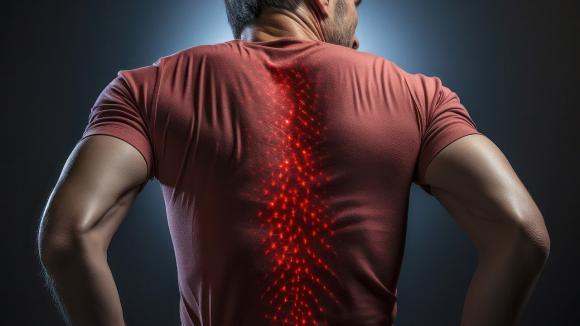
A randomised controlled trial of adults with recurrent low back pain (LBP) has shown that a program of progressive walking and education intervention significantly reduced low back pain recurrence.
Day 2 at EULAR 2024 was a big poster day for many with several good sessions and oral presentations on Preventing RA, new vasculitis therapies and a session devoted to the 50th anniversary of the Moll & Wright Criteria.
Wednesday was Day One at EULAR 2024 in Vienna. While the day was a slow start, the poster halls and auditoriums quickly filled with thousands of rheumatologists, eager to reunite at this international educational forum. Below are a few of my favorites from Day 1.

Just about every Medicare Part D prescription drug plan on offer this year covers the original version of adalimumab (Humira), whereas only about half will pay for any of the several biosimilar versions currently approved, researchers found.




By downloading this material, I acknowledge that it may be used only for personal use and personal education and that I will accredit RheumNow.com as the source and owner of this material. Commercial use or mass reproduction of this material without permission from RheumNow (info@rheumnow.com) is prohibited.