Article
Two biologic therapies showed promise in the treatment of refractory or relapsing eosinophilic granulomatosis with polyangiitis (EGPA) in a retrospective European study.

Search for Terms or Answers
Two biologic therapies showed promise in the treatment of refractory or relapsing eosinophilic granulomatosis with polyangiitis (EGPA) in a retrospective European study.
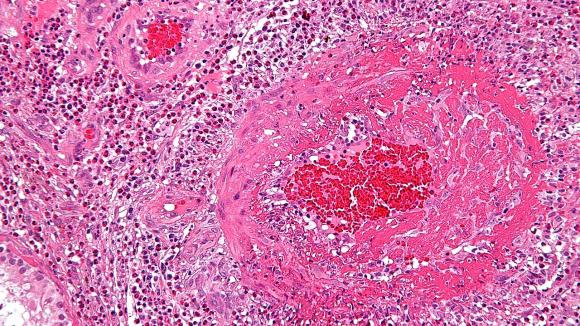
A French Vasculitis Study Group analysis of their granulomatosis with polyangiitis (GPA) reveals that after 10 years, only 7% of GPA patients achieved sustained remission off therapy (SROT) and have never relapsed.
A subanalysis of the CANTOS trial suggests that inhibition of interleukin-1β (IL-1β) can reduce rates of incident hip or knee replacement (THR/TKR) surgeries.

Denosumab is effective in osteoporosis when used on schedue, but research suggests that discontinuation leads to rapid reversal of effect; a new observational study has shown that delays in denosumab administration of more than 16 weeks results in an increased vertebral fracture risk, according t

JAMA Internal Medicine reports an analysis of COVID-19 clinical trials showing that critically ill patients with COVID-19 treated with systemic corticosteroids have an overall lower mortality rate.

Dr. Jack Cush reviews the news and journal articles from the past week on RheumNow.com. Regulatory approvals, update on global rheumatology alliance, smoking and psoriasis, gabapentin let down and defining difficult RA.

TB reactivation and latent tuberculosis infection (LTBI) are warned against with biologic agents, especially TNF inhibitors; yet clinical trial data now shows that the risk of LTBI with IL-17 inhibition via secukinumab is uncommon.
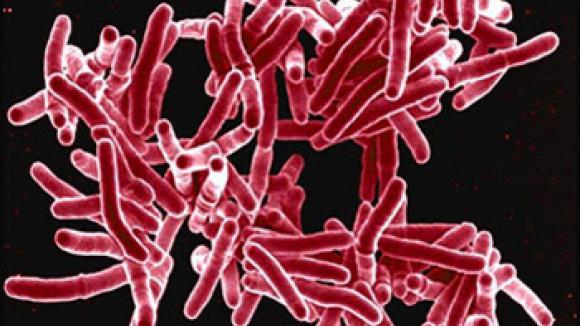
Numerous previous studies have questioned the efficacy or protection afforded by hydroxychloroquine (HCQ) for COVID-19 and studies have show that HCQ has failed when given as post-exposure prophylaxis to health care workers (HCWs). A new randomized controlled trial has shown that HCQ failed when given as 8 weeks of pre-exposure prophylaxis in hospital-based HCWs exposed to patients with COVID-19 patients.

The anti-interleukin agent romilkimab showed significant benefits on skin fibrosis among patients with systemic sclerosis in a phase II trial, researchers reported.
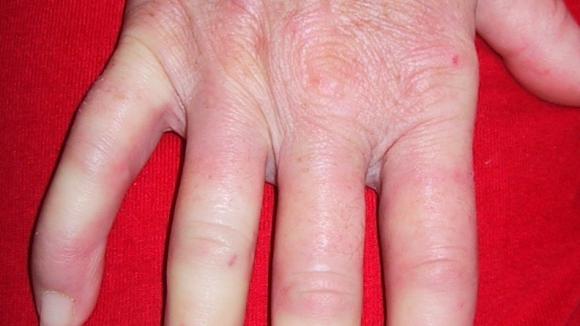
On Friday, Gilead and Galapagos announced that the European Commission (EC) has granted marketing authorization for filgotinib (trade name, Jyseleca) their oral, once-daily, JAK1 inhibitor for the treatment of adults with moderate to severe active rheumatoid arthritis (RA) who have resp

By downloading this material, I acknowledge that it may be used only for personal use and personal education and that I will accredit RheumNow.com as the source and owner of this material. Commercial use or mass reproduction of this material without permission from RheumNow (info@rheumnow.com) is prohibited.