
Article
Dr. Jack Cush highlights the big stories, news and articles from this week at RheumNow.com.

Search for Terms or Answers
Dr. Jack Cush highlights the big stories, news and articles from this week at RheumNow.com.

Using data from Canadian and European healthcare databases, the BMJ has reported that all NSAIDs, including celecoxib and naproxen, increase the risk of acute myocardial infarction.

One-third of newly approved drugs in the next decade will require new safety warnings based on pharmacovigilance, according to a new study in JAMA. (Citation Source: http://buff.ly/2r3dYUs)

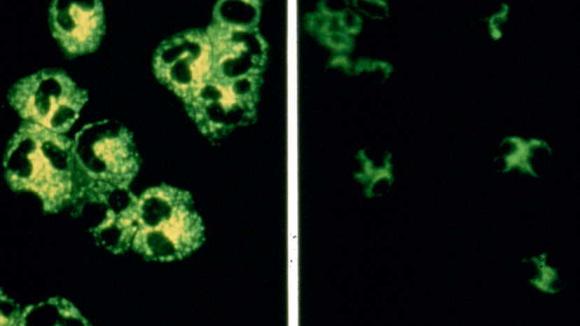
Mortality remains high in patients with the types of vasculitis that are associated with the presence of antineutrophil cytoplasmic antibodies (ANCA), a meta-analysis in Annals of the Rheumatic Diseases determined.
Claims data analysis of 4245 psoriatic arthritis patients on TNF inhibitors showed both higher than expected durations of noncompliance and higher than label dosing - all at an increased cost.

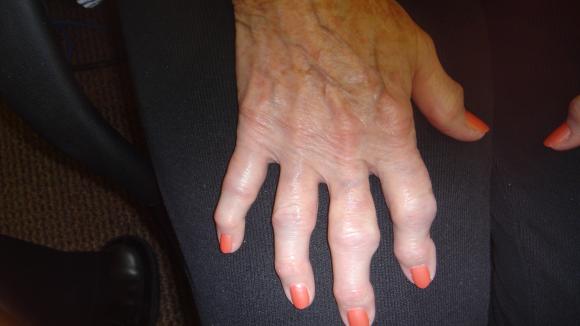
Qin and colleagues have published in Arthritis & Rheumatology that 40% of people will be affected by symptomatic osteoarthritis in at least one hand. (Citation source: http://buff.ly/2qTUscZ)
A population based study from Taiwan examined the frequencies of comorbidities in a rheumatoid arthritis (RA) population.

Dr Jack Cush reviews highlights from the news last week on RheumNow.com:
Reuters has reported that U.S.spending on prescription drugs in 2016 increased by 5.8 percent over 2015 levels to $450 billion based on list prices, and by 4.8 percent to $323 billion when adjusted for discounts and rebates.

Tofacitinib is currently approved for use in rheumatoid arthritis, but is being studied in numerous other inflammatory conditons including spondylitis, psoriasis, and psoriatic arthritis, and has also been studied in patients with ulcerative colitis (UC).

Enthesitis-related arthritis (ERA) is an emerging subset of juvenile idiopathic arthritis (JIA) recognized for its distinctive clinical characteristics.
A current JAMA report shows that the implementation of policies at academic medical centers that restricted pharmaceutical sales representative (PSR) detailing was associated with modest but significant reductions in prescribing of detailed drugs across six of eight major drug classes; however, c

BIRMINGHAM, England -- Smoking was a strong predictor of more severe disease in patients with axial spondyloarthritis (AxSpA), with people who had ever smoked having worse disease activity and worse quality of life than those who had never smoked, researchers reported here.

The FDA has approved injectable Tymlos (abaloparatide) for use in postmenopausal osteoporosis patients at high risk for fracture, as the drug has been shown to reduce the risk of vertebral and nonvertebral fractures in such patients.

A New York Times article sheds light on recent evidence suggesting that those undergoing hip or knee replacement will do just as well with home therapy compared to inpatient rehabilitation following surgery.
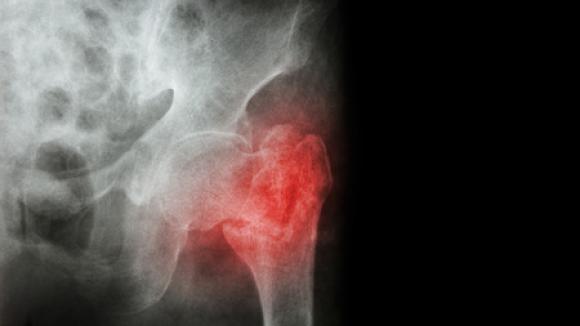
The morbidity associated with osteoporosis-related fragility fractures imposes tremendous socioeconomic and medical impact on patients and society.
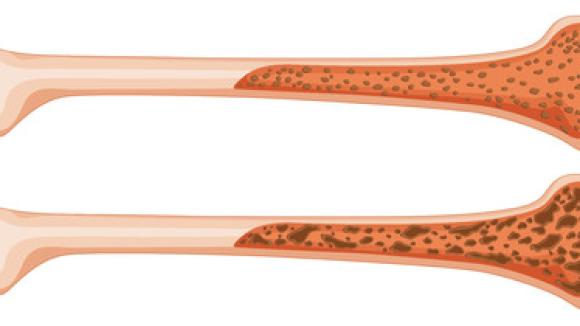
Extending bisphosphonate treatment beyond 3–5 years does not confer additional benefit in low-risk populations. Treatment re-initiation (usually 1–3 years after bisphosphonate withdrawal) depends on risk factors, new fractures and bone mineral density. The evidence regarding denosumab discontinuation is limited but caution is advised, as there may be a “rebound effect” with regard to fractures.
Dr. Jack Cush reviews highlights from the past week on RheumNow.com:

Something is curiously wrong when a drug induces the disease it is intended to treat. Yet this phenomenon has been described with all five FDA-approved TNF inhibitors.

Patients with active axial spondyloarthritis (axSpA) can lack evidence of inflammation on magnetic resonance imaging (MRI) but may develop evidence of inflammation over time.
By downloading this material, I acknowledge that it may be used only for personal use and personal education and that I will accredit RheumNow.com as the source and owner of this material. Commercial use or mass reproduction of this material without permission from RheumNow (info@rheumnow.com) is prohibited.

