
Article
Dr. Jack Cush reviews the news and journal articles from the past week on RheumNow.com.

Search for Terms or Answers
Dr. Jack Cush reviews the news and journal articles from the past week on RheumNow.com.

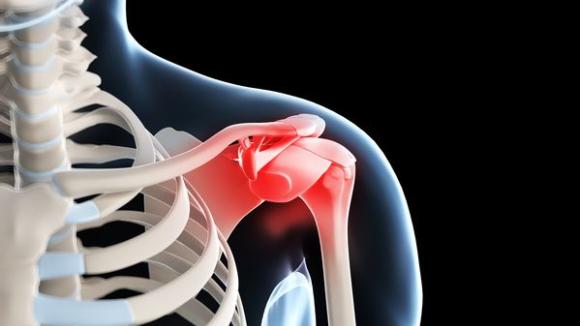
A study of patients undergoing arthroscopic rotator cuff repair shows that corticosteroid injections in the month prior to surgery are associated with a significantly increased risk of surgical site infection.
A study from the British Society for Rheumatology Biologics Register (BSRBR-RA) demonstrates that polypharmacy is a predictor of lower treatment responses and more serious adverse events (SAEs) in rheumatoid arthritis (RA) patients.
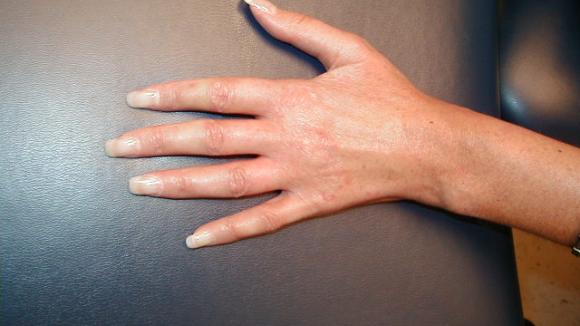
The goal of SLE treatment is remission or low disease activity and flare prevention. Hydroxychloroquine is recommended in all patients with lupus, at a dose not exceeding 5 mg/kg real body weight. Glucocorticoids (GC) should be minimised to less than 7.5 mg/day (prednisone equivalent). Appropriate initiation of immunomodulatory agents (methotrexate, azathioprine, mycophenolate) can be tailored to the clinical scenarios and may allow for tapering or discontinuation of GC.

A French cohort study of 625 systemic sclerosis (SStc) patients has found a significantly increased mortality risk that can be predicted by common clinical variables.
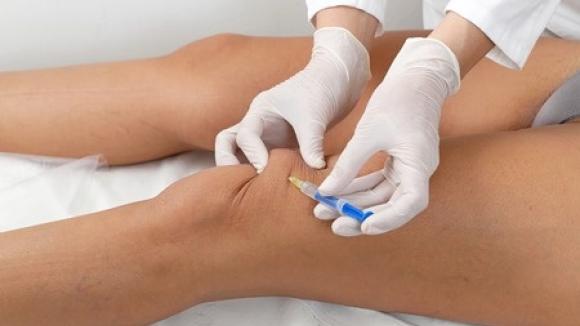
A novel study has shown that intraarticular therapy with high‐purity synthetic trans‐capsaicin (CNTX‐4975) for chronic knee osteoarthritis (KOA) was associated with significant relief of knee pain.
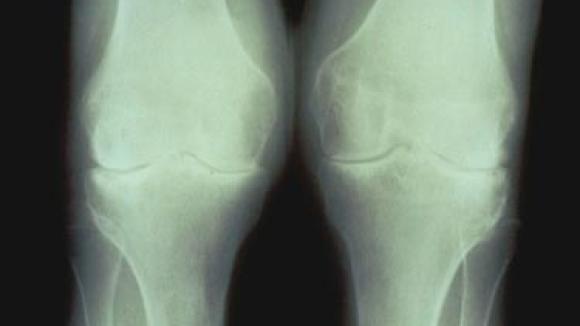
Researchers found no protective effect of smoking against knee osteoarthritis (OA), according to a new longitudinal cohort study of 620 individuals with meniscal tears treated at five sites in Denmark.
Dr. Jack Cush reviews the news and journal articles from the past week on RheumNow.com
Prior to the introduction of tocilizumab to manage giant cell arteritis (GCA), glucocorticoids (GC) have been the mainstay of therapy, but has been limited by relapses in disease.

An NIH funded prospective study has shown that the use of daily dietary supplements was not associated with a subsequent lowering of mortality risk.

A study from UT Southwestern and the Baylor Research Institute examined the preceptions and practices of women with autoimmune or inflammatory rheumatic diseases (AIRD) noting that an AIRD diagnosis changed most womens future hopes and plans regarding pregnancy and lactation.

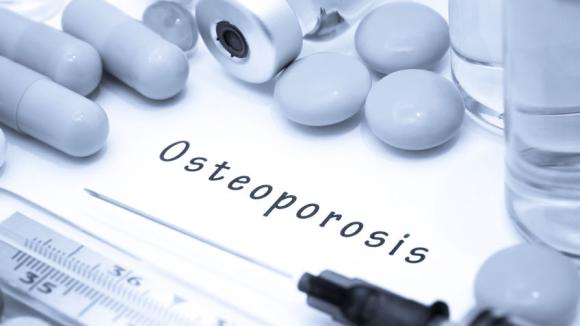
The US Food and Drug Administration today approved Evenity (romosozumab-aqqg) to treat osteoporosis in postmenopausal women at high risk of osteoporotic fracture, including those with a history of osteoporotic fracture or multiple risk factors for fracture, or those who have failed or are intoler

The American College of Rheumatology Committee on Rheumatologic Care has released new drug pricing and step therapy position statements that they hope legislators will consider as they continue to explore policy and regulatory options to make drugs more affordable and accessible.

Dr. Jack Cush reviews the news and journal reports from the past week on RheumNow.com.
The U.S. Food and Drug Administration today approved Cimzia (certolizumab pegol) injection for treatment of adults with a certain type of inflammatory arthritis called non-radiographic axial spondyloarthritis (nr-axSpA), with objective signs of inflammation.
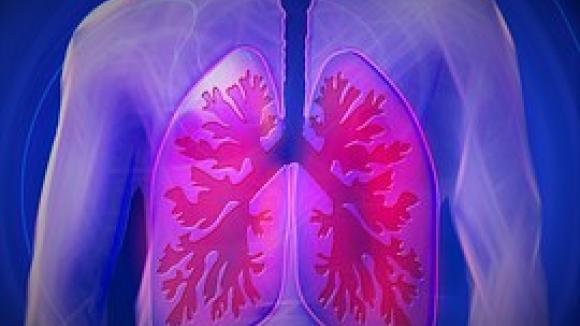
Patients with rheumatoid arthritis (RA) who also had chronic obstructive pulmonary disease (COPD) had no increased risk of serious respiratory complications when treated with abatacept (Orencia), a large claims-based analysis found.
Two recent studies have examined the effect of starting abatacept upon the risk of serious hospitalized infections or cancer, showing divergent results from claims data analyses.

New guidelines on the "Pharmacologic Management of Osteoporosis in Postmenopausal Women," were presented March 25 at ENDO 2019 - The Endocrine Society Annual Meeting and simultaneously published online in the Journal of Clinical Endocrinology & Metabolism.
An observational study published in Annals of Internal Medicine finds that emergency department (ED) visits attributable to inhaled cannabis are more frequent than those attributable to edible cannabis, although the latter is associated with more acute psychiatric visits and more ED visits than e

A recent study in JAMA Network Open shows that artificial intelligence models can use electronic health record data to prognosticate future patient outcomes in rheumatoid arthritis (RA).

By downloading this material, I acknowledge that it may be used only for personal use and personal education and that I will accredit RheumNow.com as the source and owner of this material. Commercial use or mass reproduction of this material without permission from RheumNow (info@rheumnow.com) is prohibited.

