The RheumNow Week in Review discusses the past week's news, journal articles and highlights from RheumNow.com. This week's report discusses regulatory actions by NICE and FDA, higher death rates in RA and psoriasis, increased risk of RA with Asthma, rising numbers for OA, RA, and STDs.

All News
A report in the Journal of the American Academy of Dermatology shows that psoriasis duration and inflammation may result in cardiovascular inflammation and an increased risk of major adverse CV events.
The current issue of JAMA reviews the safety of long-term use of proton pump inhibitors (PPI). The following is a collection of the evidence about these purported risks.
Fractures
Researchers from the University of Alabama at Birmingham (UAB) have detailed mechanisms leading to age-related bone loss and osteoporosis.
A polulation-based study from Sweden has shown that treatment with tocilizumab, abatacept, rituximab, or tumor necrosis factor (TNFi) inhibitors does not affect the risk of malignant neoplasms among patients with rheumatoid arthritis. Specifically, use of a first or second TNFi or biologic DMARDs (bDMARD) does confer a different cancer risk when compared to conventional DMARDS in biologic–naive RA patients.
On Friday the U.S. Food and Drug Administration announced that will not approve Johnson & Johnson’s rheumatoid arthritis drug sirukumab, stating further data and study would be needed to establish its safety.
The RheumNow Week in Review discusses the past week's news, journal articles and highlights from RheumNow.com. This week's report discusses survey results on membranous nephritis and patient perceptions of steroids, nonadherence, celebrity arthritis and IgG4 treatment.
PLOS reports greater than 90% efficacy when rituximab (RTX) is used to treat patients with IgG4-related disease (IgG4-RD).
The NEJM reports that in high risk post-menopausal women, romosozumab for 12 months followed by alendronate resulted in a significantly lower fracture than alendronate alone.
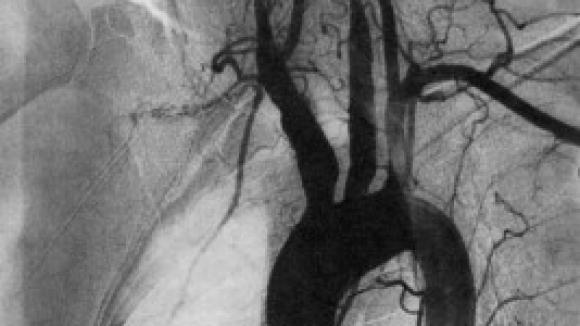
A French retrospective study of 318 Takayasu's arteritis (TA) patients shows that 50% of patients will relapse and experience a vascular complication ≤10 years from diagnosis.
The RheumNow Week in Review discusses the past week's news, journal articles and highlights from RheumNow.com. This week's report discusses metabolic syndrome in lupus, bisphosphonate holidays, vasculitis and vascular inflammation, vaccination, and the repeated wonders of Vitamin D.
Adult-onset Still's disease (AOSD) is the adult continum of systemic-onset juvenile idiopathic arthritis (SoJIA). Treatment of this febrile polyarticular systemic disorder can be complex, but has been relieved by several specific biologic therapies.
The introduction of a growing number of biosimilars into the market poses a substantial change in cost of care for patients with inflammatory rheumatologic disorders.
A large multi-center study of cardiovascular (CV) risk factors in rheumatoid arthritis (RA) has shown, after nearly 6 years follow-up, more CV events in males than females (21% vs. 11%, respectively) and that RA itself accounts for 30% of the attributable CV risk.
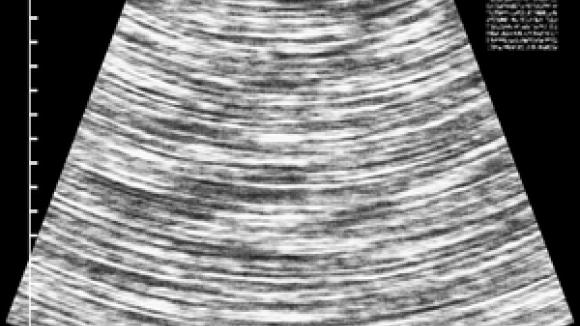
In the current issue of ARD, the European League Against Rheumatism (EULAR) has revised and updated its 2001 guideline for musculoskeletal (MS) ultrasound (US) in rheumatology; this time incorporating new advances, technological developments and use indications in rheumatology. EULAR has provided this as an educational tool and standard reference for MSUS practice and research in rheumatology.
The June 2017 RheumNow “Live Vote” surveyed US and non-US rheumatologists and patients about how they diagnose and treat rheumatoid arthritis (RA) and whether they rely on newer diagnostic criteria and management guidelines propagated by the American College of Rheumatology (ACR).
This week's report includes new data on IL-1 inhibition and protection from CV events and lung cancer, baricitinib given a reprieve, and features on infections: HBV, shingles and mortality of septic arthritis.
As a practicing rheumatologist for more than 30 years, I can recall a time – just a couple of decades ago – when waiting rooms were full of patients in wheelchairs, debilitated and in pain from rheumatoid arthritis (RA) and other related conditions.
This Drug Safety Bulletin address FDA delay of baricitinib, etanercept effective at room temperature, Consumer Reports features on drug safety, no association between Alzheimer's and PPIs, AHRQ review of opioid drug safety, FDA safety abeling changes, drug shortages and more.
The CANTOS trial has shown that interleukin 1β inhibition by Canakinumab (CAN) resulted not only in a reduction of cardiovascular deaths but also significantly decreased the incidence and death from lung cancer.