Curbside Consults are cases submitted by our rheumatology colleagues as challenging therapeutic or safety issues. Answers are based on experience, with added evidence from the medical literature and published guidelines. Here are four new cases.

All News
Systemic lupus erythematosus (SLE) is associated with an increased risk of cardiovascular disease (CVD). The cardioprotective benefits of aspirin (ASA) are well known and the ancillary CV and diabetogenic effects of hydroxychloroquine (HCQ) have also been shown.
The U.S. Food and Drug Administration (FDA) has approved the IL-23 inhibitor, Tremfya (guselkumab), for patients with moderate to severe plaque psoriasis.
Dr. Jack Cush reviews highlights from the past week on RheumNow.com:
Systemic inflammation (from underling inflammatory polyarthritis) clearly accelerates atherosclerosis with a resultant increase risk of cardiovascular disease.
The 12 month POET study analyzed 817 rheumatoid arthritis (RA) patients who achieved remission or low disease activity (LDAS) for ≥6 months and then randomized 2:1 to stopping or continuing their TNF inhibitor.
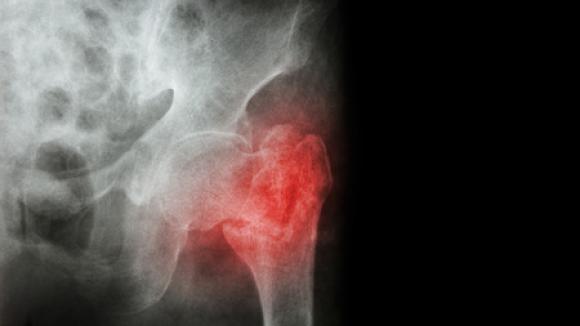
Among older patients using medium to high doses of the anti-inflammatory steroid prednisolone, treatment with the osteoporosis drug alendronate was associated with a significantly lower risk of hip fracture, according to a study published by JAMA.
Rituximab, a chimeric anti-CD20 monoclonal antibody, has been effectively used in the treatment of multiple autoimmune disorders for over two decades. But the response to rituximab has been shown to not be as effective in SLE as it is in RA.
The FDA has approved both IV and SC ORENCIA (abatacept) for the treatment of adults with active Psoriatic Arthritis.
Dr. Sharad Lakhanpal, President of the American College of Rheumatology has responded to the Senate's proposed changes to healthcare coverage in the USA.
Dr. Janet Pope reviews her favorite and least favorite presentations and abstracts from EULAR 2017.
Based on recent clinical trials, the makers of golimumab have petitioned the FDA for new indications in PsA and AS. Trials for PsA (GO-VIBRANT) and AS (GO-ALIVE) were presented at last weeks EULAR 2017 meeting in Madrid, Spain.
The Canadian Medical Association Journal has studied the costs of prescription drugs in 10 high-income countries (seven European countries, Australia, Canada and New Zealand) and found that many of these medicines varied by more than 600%.
Therapeutic options for cutaneous psoriasis (and psoriatic arthritis as well) are rapidly expanding. Lancet has published the impressive results of two phase III trials of tildrakizumab, a IgG1 antibody against interleukin 23 p19, in patients with active chronic plaque psoriasis.
The American College of Rheumatology has partnered with the American Association of Hip and Knee Surgeons to develop consensus-based guidelines for perioperative management of antirheumatic therapies for patients with rheumatic diseases who plan to undergo total joint replacement.
Saturday was a day of big posters and special seminars at EULAR in Madrid. In the morning, I passed on an interesting session on nailfold capillaroscopy led by Dr. M Cutolo and went to a JIA outcomes session.
Friday was a mega-day in Madrid as this day all the late-breaking abstracts were presented, in addition to the bulk of high-impact podium presentations in several areas.
Here are the major presentations from several clinical areas.
Numerous studies have shown that gout hospitalizations have increased in the last decade. Also worrisome is a new studiy showing that patients admitted to the hospital are less likely to have received recommended urate-lowering treatment (ULT).
The current Lancet edition for 10 June 2017 is a rheumatology rich collection.
On Monday June 11th, the US Supreme Court unanimously ruled that biosimilar manufacturers can bring their drugs to market faster by eliminating the provision that the biosimar manufacturer had to give the innovator company 180 days notice before launching the new biosimilar.