
Article
JAMA Internal Medicine reports that exposure to statin medications may be linked to histologically confirmed idiopathic inflammatory myositis.

Search for Terms or Answers
JAMA Internal Medicine reports that exposure to statin medications may be linked to histologically confirmed idiopathic inflammatory myositis.

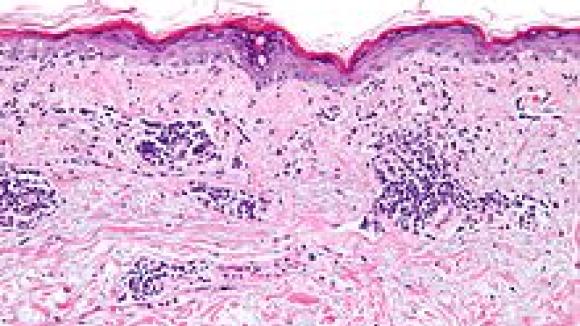
Kahlenberg and coworkers have reported in ARD that interferon kappa (IFN-κ) is a key regulator of type I interferon (IFN) photosensitive responses in patients with cutaneous lupus erythematosus (CLE).
Dr. Jack Cush reviews the news and journal reports from the past week on RheumNow.com.

The Annals of Rheumatic Disease have published the recently developed Latin American clinical practice guidelines for systemic lupus erythematosus (SLE) addressing the best pharmacologic interventions for musculoskeletal, mucocutaneous, kidney, cardiac, pulmonary, neuropsychiatric, hemat

Gout, the ancient disease of kings is usually treated with the ancient (and costly) drug colchicine, often without consideration of nonsteroidal antiinflammatory drugs (NSAID) or corticosteroids.

A consensus panel was convened to develop consensus-based clinical and therapeutic recommendations for the use of methotrexate (MTX) in the management of Juvenile Idiopathic Arthritis (JIA) patients.

The Journal of Rheumatology reports a population-based study demonstrating that gout is associated with an increased risk of developing erectile dysfunction (ED) suggesting that hyperuricemia and inflammation may be independent risk factors for ED.

Dan Wallace and colleagues report in Lancet the results of a phase II study of the selective baricitinib, an oral selective Janus kinase (JAK1 and JAK2) inhibitor, in patients with systemic lupus erythematosus, demonstrating the efficacy and safety of JAK1/2 inhibition with baricitinib as a new potential oral therapy for SLE.

Dr. Jack Cush reviews highlights from the news and social media on RheumNow.com in the past week.

Based on clinical trial data, patients starting tumour necrosis factor-alpha inhibitors (TNFi) have roughly a two-thirds chance of achieiving a good clinical response. French investigators have studied a series of potential biomarkers and surmised that the combination of baseline prealbumin, platelet factor 4 and S100A12 can predict a 78% response to TNFi in rheumatoid arthritis (RA) patients.

The progress that has been seen in the management of many aspects of rheumatoid arthritis (RA) has not been paralleled for the pulmonary disease that remains the second most common cause of death among these patients, an Australian expert reported here at the annual meeting of the Florida Society
Ambien (zolpidem) is the most widely used prescription hypnotic sedative since its introduction in 1992 and is currently the fourth most frequently prescribed psychiatric drug (2013). Recent US Food and Drug Administration Drug Safety Communications suggest limitations on use to reduce adverse effects. A study of the Medical Expenditures Survey in 2015 revealed that over 3.8 million adults reported using one or more prescriptions for zolpidem.

New research from a UK study suggests that nonresponse to oral or subcutaneous MTX was seen in 43% and is predicted by seronegativity, higher disease activity measures and higher anxiety scores.
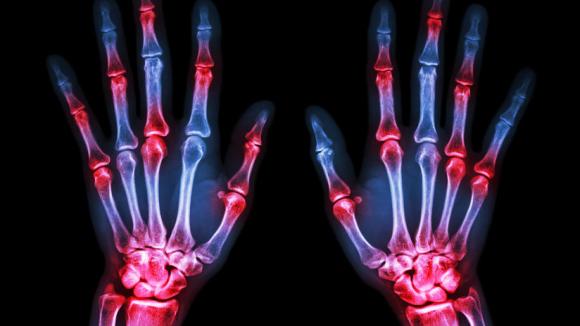
Dr. Jack Cush reviews the news and journal articles from the past week on RheumNow.com. Fateful outcomes in Rheumatology, what happens to Seronegatives, IL-23 fails, MRI progression, Not all inflammatory back pain becomes SpA:
A study from the British Society for Rheumatology Biologics Register (BSRBR) has shown that biologic refractory disease is seen in at least 6% of patients who have ever received a biologic DMARD (bDMARDs).
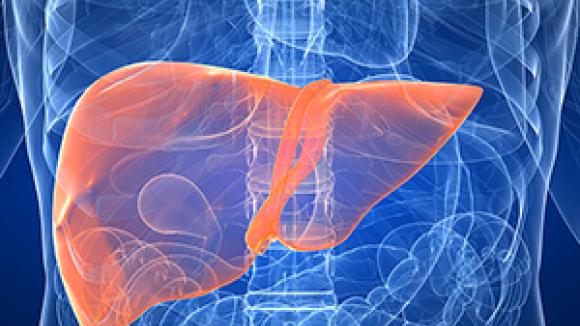
An observational case-control study has shown that psoriasis is associated with an increased prevalence of nonalcoholic fatty liver disease (NAFLD).
A study of the IL-23 risankizumab in active ankylosing spondylitis (AS) patients failed to show efficacy and did not meet primary efficacy endpoints in a 6-month trial.
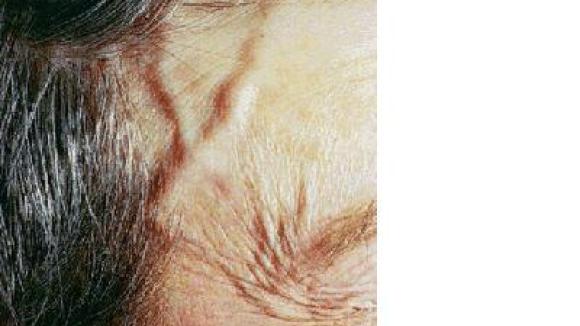
Hydroxychloroquine retinopathy prevention guidelines have revised from ideal body weight-based dosing to actual body weight-based dosing; the question remains whether these have been adopted in clinical practice.
A database of nearly 21,000 new HCQ users from a UK general population database studied HCQ dosing and use between 2007 and 2016. Specifically they examined whether users were subjected to excess HCQ dosing per ophthalmology guidelines (defined by exceeding 6.5 mg/kg of IBW and 5.0 mg/kg of ABW).

A French population based study of ankylosing spondylitis (AS) was report in the Journal of Rheumatology.
They analyzed the death certificates and cause of death in 2940 AS patients over 3 different decades (1969-78; 1979-99; 2000-2009).

The Annals of Internal Medicine reports that despite improving trends in mortality, death rates from systematic lupus erythematosus (lupus) remain high compared to those in the general population, and disparities persist between subpopulations and geographic regions. Underreporting of lupus on death certificates may have resulted in underestimates of mortality rates.

By downloading this material, I acknowledge that it may be used only for personal use and personal education and that I will accredit RheumNow.com as the source and owner of this material. Commercial use or mass reproduction of this material without permission from RheumNow (info@rheumnow.com) is prohibited.

