Article
PNAS reports use of ibuprofen by males may result in antiandrogen effects that may contribute to adult male reproductive problems.

Search for Terms or Answers
PNAS reports use of ibuprofen by males may result in antiandrogen effects that may contribute to adult male reproductive problems.

Researchers in the NEO-RACo Study Group studied adverse events (AEs) in relation to disease activity in patients with early rheumatoid arthritis (RA).
MedPage Today Editors surveyed a few rheumatologists for their major news predictions in 2018. Read on for predictions regarding drug pricing, biosimilars, autoimmunity and checkpoint inhibitors, and thrombotic events and JAK inhibition.

Recent JAMA study shows metanalysis of 33 clinical trials and 51,145 participants, showed that calcium, vitamin D, or both affords no decreased risk of hip fractures compared with placebo or no treatment and therefore questions their routine widespread use in the elderly..

Dr Jack Cush reviews the news and journal articles from the past week on RheumNow.com.

An editorial and systematic review of complications seen when checkpoint inhibitor (CPI) therapies are given to patients with immune mediated inflammatory disorders (IMIDs) and cancer shows that nearly 75% manifest autoimmune and inflammatory immune-related adverse events (irAEs).

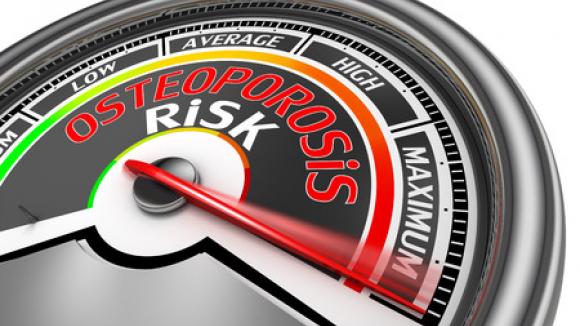
A UK Study published in Lancet shows that community-based screening programme for fracture risk in older women is feasible, and may reduce hip fractures.
Patients with ankylosing spondylitis (AS) have shown rapid and sustained responses to secukinumab (Cosentyx) in a third phase III trial that includes a higher dose of this anti-interleukin-17A monoclonal antibody, researchers reported.

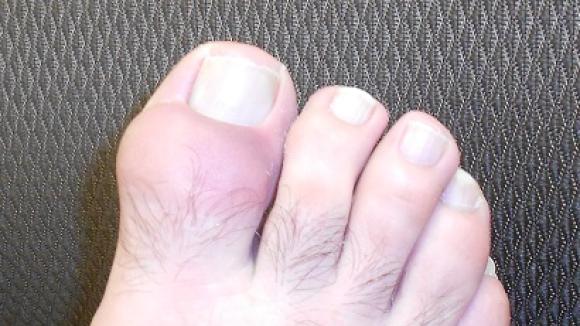
The British Society for Rheumatology/British Health Professionals in Rheumatology first published a guideline for the management of gout in 2007. They have just updated and published their new guideline, largely because of new therapies, an increasing incidence of gout, low penetrance of urate lowering therapies, and the inability to achieve a target serum uric acid level.
In this Therapeutic Update, Drs. Mease, Gibofsky and Cush answer five questions regarding the August 3rd FDA Arthritis Advisory Committee meeting that reviewed the potential approval of tofacitinib (Xeljanz) in patients with active psoriatic arthritis. The panel was nearly unanimous (10-1) in favor of the efficacy and safety profile of of tofacitinib, and similarly voted 10-1 to approve this drug for use in PsA. Final decisions on these recommendations from the AAC panel will be made at a later date by the FDA.

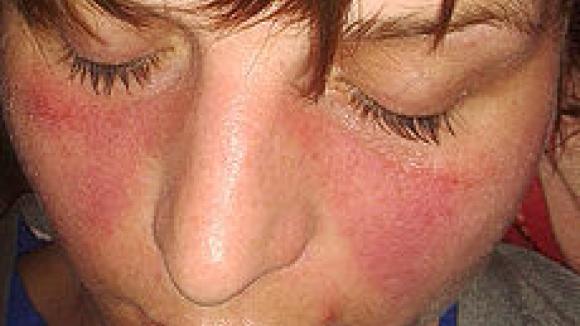
The Annals of Internal Medicine reports that despite improving trends in mortality, death rates from systematic lupus erythematosus (lupus) remain high compared to those in the general population, and disparities persist between subpopulations and geographic regions.

Dr. Jack Cush reviews highlights and news from the past week on RheumNow.com.
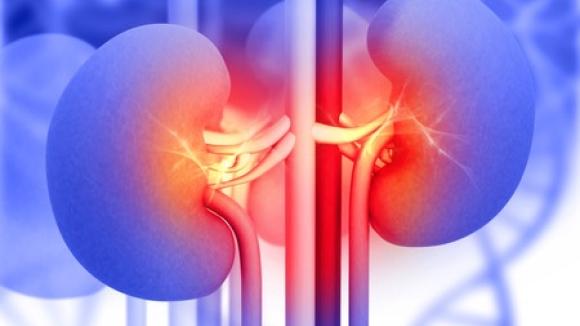
Hypertension, nephrolithiasis and chronic kidney disease (CKD) commonly associates with gout. While there is a clear need to dose adjust NSAIDs and colchicine in those with CKD, there is some debate about the need to dose adjust when using allopurinol with CKD.
The medical use of cannabis is often extended to management of chronic pain and neuropathic pain.
A metanalysis of 27 chronic pain trials show that there is low-strength evidence that cannabis alleviates neuropathic pain but insufficient evidence in other pain populations.

A prospective Swedish study between 2001–2009 found a higher risk of aortic regurgitation, pacemaker, AV block and atrial fibrillation in SpA, AS, uSpA and PsA patients.

Despite large randomized trials failing to show the efficacy of RTX in SLE (LUNAR, EXPLORER), uncontrolled observational data suggests possible efficacy and safety of RTX in refractory SLE.
Curtis and colleagues have analyzed the certolizumab (CZP) RAPID1 and RAPID2 trials to assess the risk of serious infectious events (SIEs), and shown that steroids combined with an age-adjusted comorbidity index (AACI) yields a 2-3 fold predictable risk for SIE.

Researchers from the Nottingham University Hospitals have analyzed the efficacy and safety of oral (PO) and intravenous (IV) cyclophosphamide (CTX) in ANCA-associated vasculitis (AAV) patients and demonstrated a trend for fewer relapses, better 1 year survival and less toxicity w

Dr. Jack Cush reviews the news from the past week on RheumNow.com. Subscribe to the podcast on iTunes and SoundCloud.com.

By downloading this material, I acknowledge that it may be used only for personal use and personal education and that I will accredit RheumNow.com as the source and owner of this material. Commercial use or mass reproduction of this material without permission from RheumNow (info@rheumnow.com) is prohibited.