
Article
The FDA has approved both IV and SC ORENCIA (abatacept) for the treatment of adults with active Psoriatic Arthritis.

Search for Terms or Answers
The FDA has approved both IV and SC ORENCIA (abatacept) for the treatment of adults with active Psoriatic Arthritis.
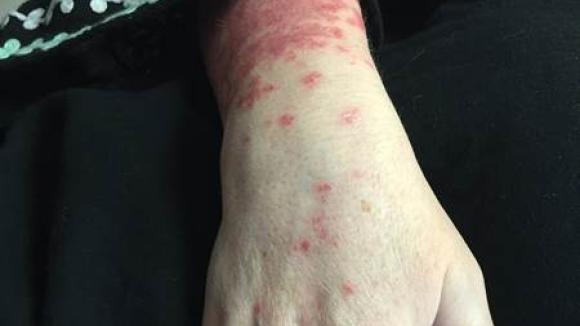
It is well-known that patients with systemic autoimmune diseases are at risk for Pneumocystis jirovecii pneumonia (PJP) and although infrequent, it carries a high mortality. A new study shows lymphopenia and steroid use increases the risk of PJP.

It is a common practice for rheumatologists to discuss medication-related teratogenicity and disease implications in case of pregnancy. Yet, discussion of breastfeeding are often omitted.

Dr. Janet Pope reviews her favorite and least favorite presentations and abstracts from EULAR 2017.

Based on recent clinical trials, the makers of golimumab have petitioned the FDA for new indications in PsA and AS. Trials for PsA (GO-VIBRANT) and AS (GO-ALIVE) were presented at last weeks EULAR 2017 meeting in Madrid, Spain.
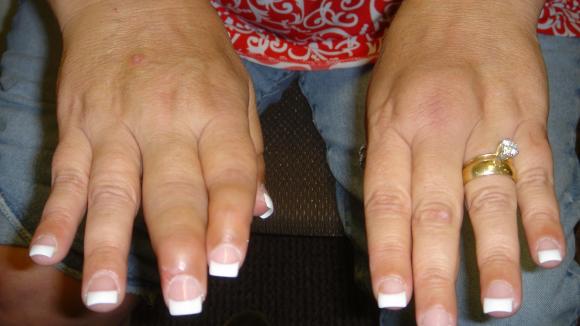
Therapeutic options for cutaneous psoriasis (and psoriatic arthritis as well) are rapidly expanding. Lancet has published the impressive results of two phase III trials of tildrakizumab, a IgG1 antibody against interleukin 23 p19, in patients with active chronic plaque psoriasis.
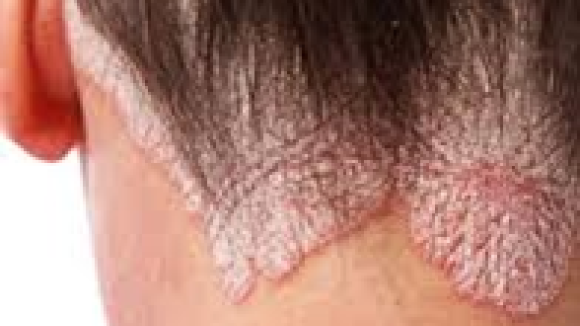
The American College of Rheumatology has partnered with the American Association of Hip and Knee Surgeons to develop consensus-based guidelines for perioperative management of antirheumatic therapies for patients with rheumatic diseases who plan to undergo total joint replacement.

Saturday was a day of big posters and special seminars at EULAR in Madrid. In the morning, I passed on an interesting session on nailfold capillaroscopy led by Dr. M Cutolo and went to a JIA outcomes session.

Friday was a mega-day in Madrid as this day all the late-breaking abstracts were presented, in addition to the bulk of high-impact podium presentations in several areas.
Here are the major presentations from several clinical areas.

A double-blind, placebo-controlled, multicenter study aimed to evaluate efficacy and safety of a fully human monoclonal anti IL-23 antibody guselkumab, in patients with active psoriatic arthritis.
Dr. Jack Cush reviews some of the highlights from the past week at EULAR 2017 - June 16, 2017.
Follow RheumNow's expanded coverage from EULAR 2017 in Madrid.
Numerous studies have shown that gout hospitalizations have increased in the last decade. Also worrisome is a new studiy showing that patients admitted to the hospital are less likely to have received recommended urate-lowering treatment (ULT).

The heat was on at EULAR 2017 for busy presenters and attendees navigating the 104F degree temperatures at the indoor/outdoor IFEMA Convention center in Madrid.
Day 2 (Thursday) were big days for gout, drug safety, psoriatic arthritis and spondyloarthritis.
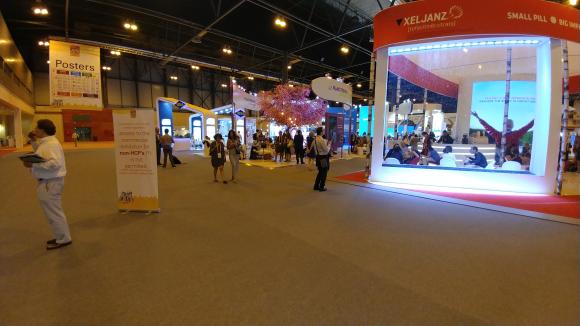
Subcutaneous (SC) abatacept (Orencia) is now available for use in patients 2 years of age and older with moderately to severely active polyarticular Juvenile Idiopathic (JIA) according to Bristol-Myers Squibb.

Vaccinating our rheumatoid arthritis patients against influenza every year is a safety priorty. However immunosuppressive therapies pose a challenge to vaccine administration as their use can hamper vaccine immunogenicity.

The U.S. Food and Drug Administration has asked Endo International to withdraw Opana ER from the market, stating that benefits no longer outweigh its risks of this long-acting opioid.

Drs. Kremer and Weinblatt have responded to a recent Annals of Rheumatic Disease article regarding the hepatic risks of alcohol use with methotrexate (MTX) therapy authored by Humphries et al. (Citation source: http://buff.ly/2r70uuz)

AbbVie released the preliminary results of a rheumatoid arthritis trial wherein its Jak inhibitor, upadacitinib, was tested against placebo, and shown to be superior in established RA patients who have failed prior DMARD therapy.
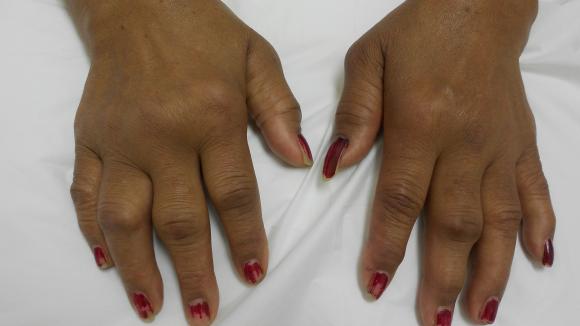
Biosimilars continue to command a great deal of research, development and attention given the promise of significant cost savings and potentially wider use for those in need. Biosimilar Reports is an ongoing series dedicated to advances, discussions and developments in biosimilar agents intended for use by rheumatologists.

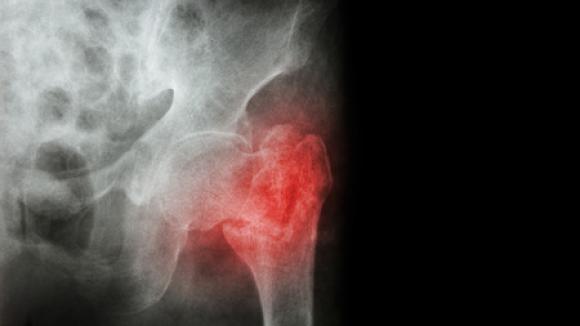
The Journal of the American Geriatric Society has reported that older women receiving bisphosphonate therapy for greater than 10-13 years were more likely to suffer from fractures.
By downloading this material, I acknowledge that it may be used only for personal use and personal education and that I will accredit RheumNow.com as the source and owner of this material. Commercial use or mass reproduction of this material without permission from RheumNow (info@rheumnow.com) is prohibited.

