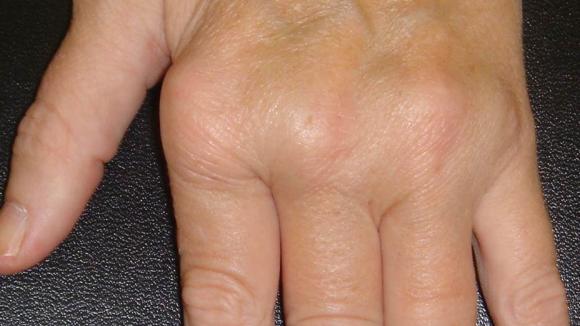
Oligoarticular-onset juvenile idiopathic arthritis accounts for nearly half of all JIA patients. While many of these children will require DMARD therapy, many others are treated with antiinflammatory meds or intra-articular corticosteroids. But the evidence for this latter approach is scant.

All News
The George Institute for Global Health has performed a systematic review of drugs used to treat back pain. Their findings, published in the Annals of the Rheumatic Diseases, shows that only one in six improve their pain with NSAID therapy.
Up to 30% of patients with rheumatoid arthritis (RA) will eventually undergo joint reconstructive surgery, yet we have limited data to guide the perioperative management of DMARDs and biologics.
Dr. Jack Cush reviews this week's highlights from RheumNow.
Kevzara (sarilumab), an interleukin-6 (IL-6) receptor monoclonal antibody, was approved by Health Canada for use in rheumatoid arthritis (RA).
Prior to the biologic era, nonsteroidal antiinflammatory drugs (NSAIDs) were the mainstay of drug therapy in thos with spondyloarthritis (SpA) and ankylosing spondylitis (AS). Their role in the modern era has changed and the claims for efficacy have varied.
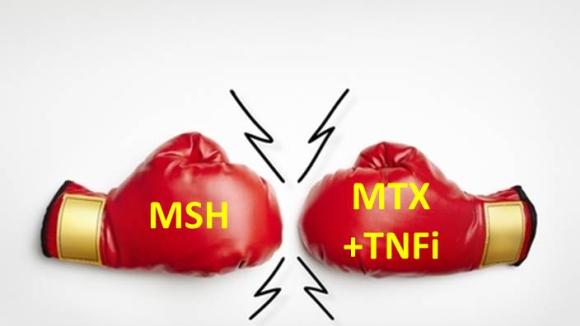
There are several trials that test the efficacy and safety of combination tumor necrosis factor inhibitor (TNFi) plus methotrexate against triple therapy (methotrexate plus hydroxychloroquine plus sulfasalazine) in patients with rheumatoid arthritis.
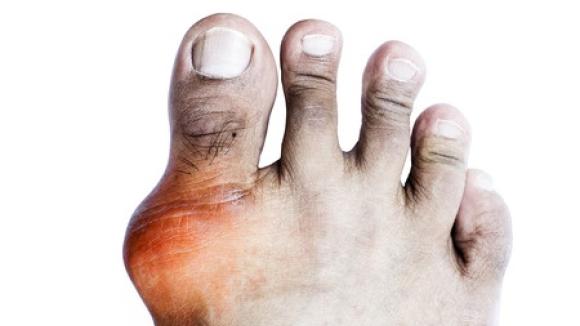
Most patients who present with gout to rheumatology clinics are at very high risk of cardiovascular (CV) disease, Spanish researchers found.
Curbside Consults are cases submitted by our rheumatology colleagues as challenging therapeutic or safety issues. Answers are based on experience, with added evidence from the medical literature and published guidelines.
Infection is a major cause of morbidity and mortality in RA patients and thus vaccinating against preventable infections is a top priority for rheumatologists.
Dr. Cush reviews highlights from the past week on RheumNow.com.
RheumNow will periodically report safety issues as Drug Safety Bulletins. These will update you with safety issues, label changes and reports of new, ongoing and resolved drug shortages that affect rheumatology. If you have suggestions or information about specific drug shortages or drug safety issues, please email us at info@rheumnow.com.
Interchangeability, or the substitution of a biosimilar for its innovator biologic, is on the horizon. Will the prescriber chose the biosimilar in place of the originator? Or will this allow pharmacists or healthcare plans to substitute a biosimilar, without intervention from a healthcare provider?
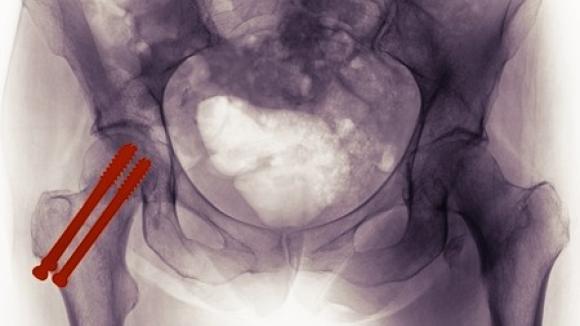
The association between the use of proton pump inhibitors (PPIs), osteoporosis (OP) and OP-related fragility fractures has been a topic of ongoing discussion in rheumatology community.
Dr. Jack Cush reviews highlights from this past week on RheumNow.com:
A study of 90 consecutive male (50.3±11.1 years) with psoriatic arthritis (PsA) were were compared to 240 age matched controls without known cardiovascular (CV) diseases who underwent angiography for chest pain and/or multiple CV risk factors.
Neuromyopathy is a rare side effect of chronic colchicine use. Statins are more commonly implicated as a cause of drug-induced myopathy.
Given the frequent occurrence of the metabolic syndrome, simultaneous use of both colchicine and statins is common.
Elderly patients treated with high doses of corticosteroids are bound to have multiple medical problems. But this was only recently quantified by researchers analyzing a a population-based cohort of biopsy-proven giant cell arteritis (GCA) patients in Southern Sweden.
Similar to the findings in rheumatoid arthritis, lower levels of education can have predictable negative consequences. And the reasons for more heart attacks with lower educational levels is not entirely clear.
Dr. Jack Cush reviews highlights from the first week of 2017 on RheumNow.com.
Happy New Year!