
Article
The current MMWR reports that arthritis is seen in nearly one-third of adults with prediabetes and that more than half of such patients are obese and not engaged in regular physical activity.

Search for Terms or Answers
The current MMWR reports that arthritis is seen in nearly one-third of adults with prediabetes and that more than half of such patients are obese and not engaged in regular physical activity.
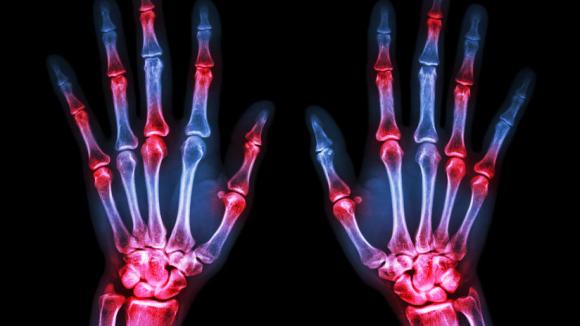
Use of wearable activity trackers was associated with increases in the number of daily steps among individuals with rheumatic and musculoskeletal disorders, a meta-analysis found.

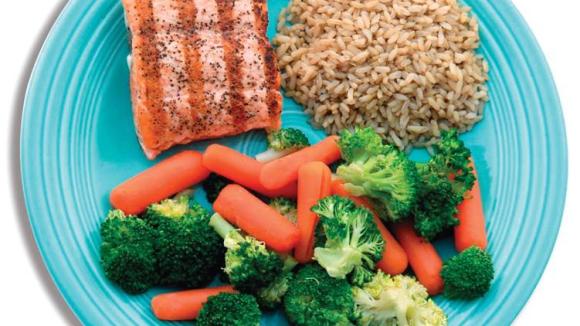
A systematic review by the Medical Board of the National Psoriasis Foundation examined the role of diet in managing adult patients with psoriasis and/or psoriatic arthritis and suggest that dietary interventions to reduce disease severity.
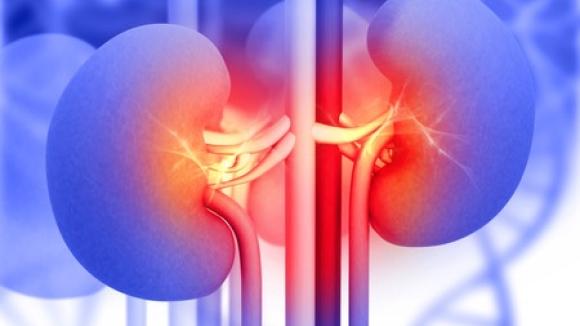
A retrospective follow-up study of 499 lupus nephritis (LN) patients over three successive eras shows that LN has become less severe in recent years and thus, better long-term survival is possible.
The CDC's May 4th MMWR reports that from 2002 to 2014, the prevalence of health care provider counseling for weight loss among adults with arthritis and overweight or obesity increased by 10% (from 35% to 45%).
Among the 54.4 million adults with doctor-diagnosed arthritis in the United States, 32.7% are overweight and 38.1% are obese. Moreover obesity is more prevalent among persons with arthritis than among those who do not have arthritis.

Researchers from Vanderbilt University Medical Center used electronic health records (EHR) to perform a phenome-wide study comparing African American (AA-SLE) and Caucasian (C-SLE) with systemic lupus erythematosus (SLE) and found more comorbidities in AA-SLE, especially renal, cardiovascular, an

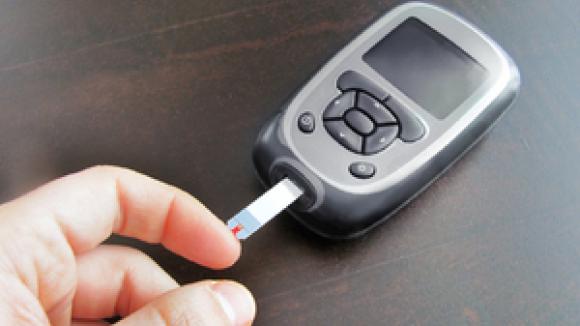
An animal model study in the Journal of Endocrinololgy reports the potential use of leflunomide in the control of hyperglycemia in male mice.
A systematic review of the literature on the relationship between diet during pregnancy, lactation, or the first year of life suggests that maternal ingestion of probiotic and fish oil supplementation may reduce risk of eczema and allergic sensitization to food, respectively.

Gout coassociates with many of the disorders within the metabolic syndrome - diabetes, hypertension, hyperlipidemia and obesity. Not surprisingly, gout is a risk factor for cardiovascular disease, but the risk magnitude for myocardial infarction (MI), and stroke are unclear.

Extending bisphosphonate treatment beyond 3–5 years does not confer additional benefit in low-risk populations. Treatment re-initiation (usually 1–3 years after bisphosphonate withdrawal) depends on risk factors, new fractures and bone mineral density. The evidence regarding denosumab discontinuation is limited but caution is advised, as there may be a “rebound effect” with regard to fractures.
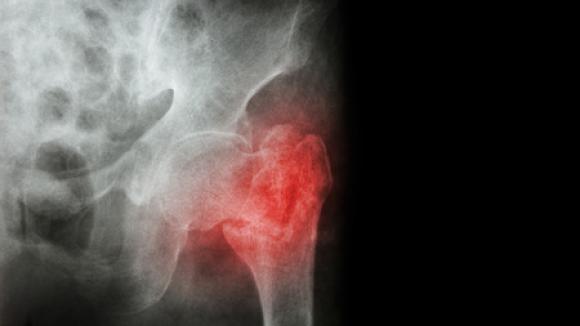
Two current articles in the Journal of Rheumatology address issues surrounding mortality risk among those with new and established gout.

Neuromyopathy is a rare side effect of chronic colchicine use. Statins are more commonly implicated as a cause of drug-induced myopathy.
Given the frequent occurrence of the metabolic syndrome, simultaneous use of both colchicine and statins is common.

Reuters reports that a study of 6629 Canadian women with osteoporosis taking bisphosphonates found that nearly one in five had a decrease in bone density while on medication. (Citation source: http://buff.ly/2afb7nj)
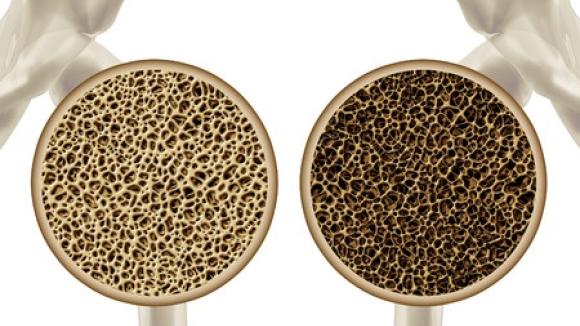
Diuretics are frequently implicated causes of hyperuricemia and gout. And there are gout variants wherein age, renal dysfunction and diuretic use may give rise to gouty attack in the hands of women with nodal osteoarthritis.
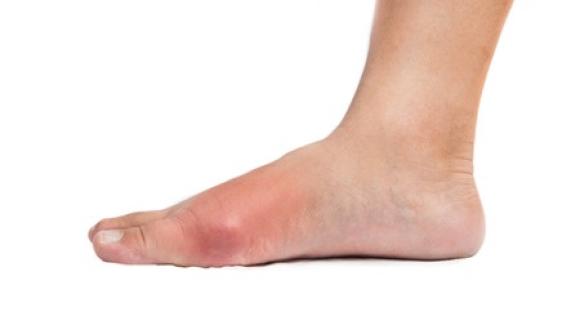
The FDA has strengthened its warnings for the type 2 diabetes drug canagliflozin (Invokana, Invokamet) and the apparent increased risk of bone fractures, and added new information about decreased bone mineral density.
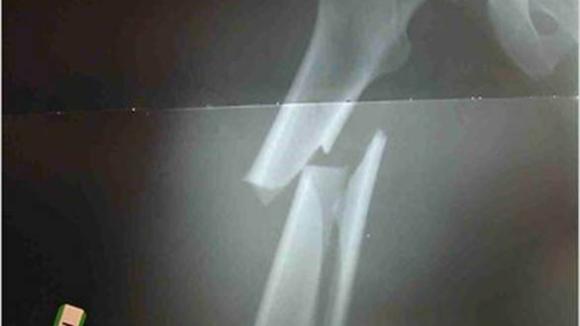
In a decade-long study of the effects of growth hormone (GH), 80 women with osteoporosis on HRT, between ages of 50-70 yrs were randomized to receive GH 1.0 U or GH 2.5 U recombinant human GH or placebo sc daily during 3 years and compared to an age-matched populatoin sample of (n=120).
In a study that compared seropositive (RF+, CCP+) and seronegative RA with healthy participants, the frequency of thyroid antibodies was assessed.
Are the benefits of androgen supplementation in older men overstated? Might the risks be understated?

By downloading this material, I acknowledge that it may be used only for personal use and personal education and that I will accredit RheumNow.com as the source and owner of this material. Commercial use or mass reproduction of this material without permission from RheumNow (info@rheumnow.com) is prohibited.

