Sepsis is a dangerous and potentially fatal consequence of serious infections (SIE), particularly in susceptible populations such as the elderly and immunosuppressed. Published evidence points toward the potential role of TNF in development of sepsis.

All News
A thoughtful perspective on the purpose, focus and cost of guideline efforts in rheumatology has been published in the journal Rheumatology.
Dr. Peter Taylor and colleagues presented their results of the 52-week BEAM trial wherein baricitinib (a JAK 1, 2 inhibitor) was compared to adalimumab in both clinical and radiographic outcomes. This was the most viewed abstract online at the ACR website.
Methotrexate is a mainstay drug in the treatment of rheumatoid arthritis (RA). Yet, we may not be using it long enough or optimizing its use.
Myasoedova and colleagues from the Mayo Clinic have reported their new data that demonstrates improving cardiovascular (CV) mortality rates in current RA patients treated with modern drugs.
ACR 2015 RA treatment guidelines were published yesterday, nearly a year after they were preliminarily presented at the 2014 ACR meeting in Boston. After a year of review and revision these have been posted.
In September, the FDA issued warnings that the dipeptidyl peptidase-4 (DPP4) inihibitor Invokana may cause a dose-dependant increased risk of bone fractures. This was based on a review of nin
Biosimilars are in the news and will be prominently on parade at next week's ACR meeting in San Francisco. Biosimilars are similar to, but not the same as, innovator biologics.
A retrospective population-based study from New Zealand examined the epidemiology, clinical features, and microbiology of adult native joint septic arthritis.
Using Medicare claims data, a retrospective cohort study analyzed the risk of a second non-melanomatous skin cancer (NMSC) in 9460 individuals (6841 with RA and 2788 with IBD).
MONTREAL -- An immunosuppressive drug was as effective as a standard agent for interstitial lung disease (ILD) associated with scleroderma, a researcher said.
Continuously elevated serum matrix metalloproteinase-3 (MMP-3) for 3-6 months predicted 1-year radiographic progression in rheumatoid arthritis (RA), according to a small prospective cohort study in Arthritis Researc
A number of studies have shown that the treat-to-target approach is effective in achieving clinical remission - the ultimate therapeutic goal in patients with early RA.
UK investigators have shown that rheumatoid arthritis patients with bronchiectasis (BRRA) have a five-fold increased mortality compared to RA without bronchiectasis. It is unclear if serologic differences, activity measures and biomarkers may be different in this cohort.
Using data from the Nurses' Health Study (NHS), Sparks and colleagues analyzed 119,209 women beginning in 1976. The identified 964 incident RA cases and 28,808 deaths during 36 years of prospective follow-up.
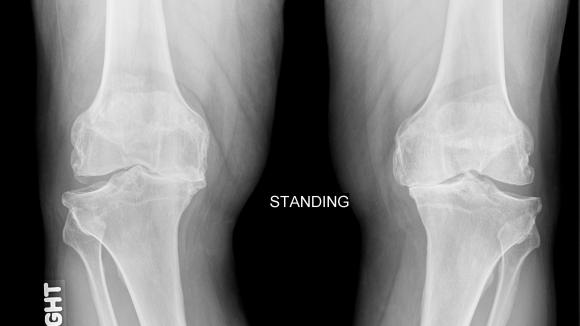
Primary prevention of osteoarthritis is an ideal goal for which there has been little success in clinical trials.
Women with rheumatoid arthritis are said to have a normal number of pregnancies. However, most of these are conceived prior to the onset of RA. Once diagnosed, the RA patient who wishes to become pregnant may be faced with difficult medication choices if she is planning to become pregnant.
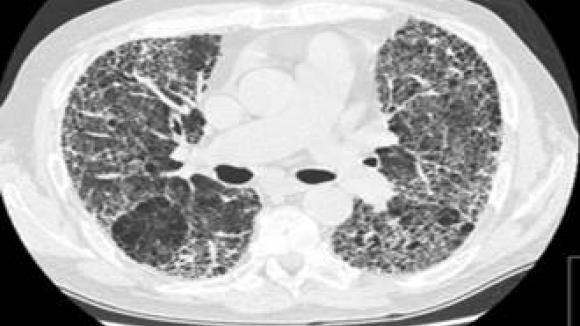
Interstitial lung disease (ILD) is a common extra-articular manifestation of rheumatoid arthritis (RA). Its presence may portend grave outcomes for those affected. The prevalence of ILD in RA ranges from 7.7% to 44% depending on the assessment tools used.
Treat-to-target is a common management strategy for rheumatoid arthritis that aims to employ the strategy most effective in terms of achievement of optimal therapeutic outcomes in RA.
An analysis of 741,589 patients over age 45 years from southern Swedish registry examined patients who were followed (between 1998 and 2012) until a hip fracture, death or exit from the region occurred.