
Article
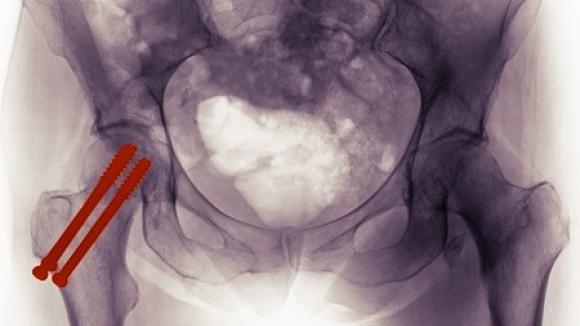
Joint arthroplasty has grown into a billion dollar industry worldwide. However, optimal timing and the success of total joint replacements in younger patient groups has not been well studied.

Search for Terms or Answers
Joint arthroplasty has grown into a billion dollar industry worldwide. However, optimal timing and the success of total joint replacements in younger patient groups has not been well studied.
Poorer and less-educated older Americans are more likely to suffer from chronic pain than those with greater wealth and more education, but the disparity between the two groups is much greater than previously thought, according to new research.

The George Institute for Global Health has performed a systematic review of drugs used to treat back pain. Their findings, published in the Annals of the Rheumatic Diseases, shows that only one in six improve their pain with NSAID therapy.
Dr. Jack Cush reviews highlights from the past week on RheumNow.
A randomized trial of 537 knee osteoarthritis (OA) patients in the Duke Healthcare system has shown that patient- and provider interventions were no better than the usual standard of care.

The association between the use of proton pump inhibitors (PPIs), osteoporosis (OP) and OP-related fragility fractures has been a topic of ongoing discussion in rheumatology community.
Dr. Jack Cush reviews highlights from this past week on RheumNow.com:
Dr. Jack Cush reviews highlights from the first week of 2017 on RheumNow.com.
Happy New Year!
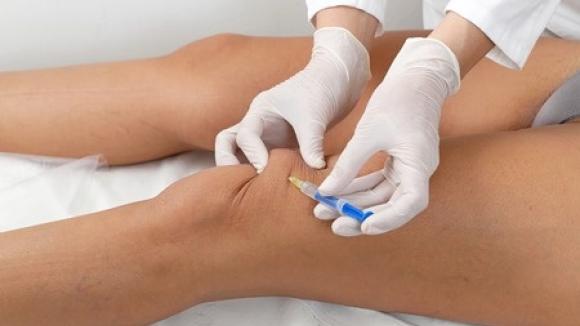
The current online edition of JAMA examines the evidence from 27 clinical trials and 1767 patients to assess the impact of intra-articular corticosteroids in patients with knee osteoarthritis (OA).
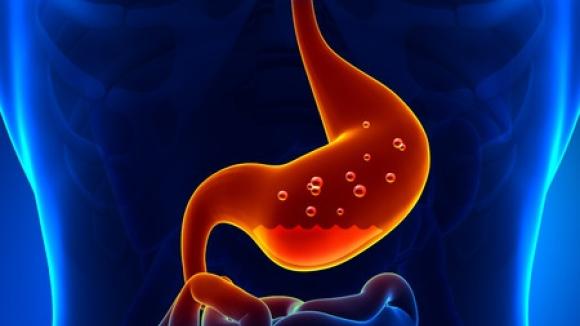
There are more than 11 million proton pump inhibitor (PPI) prescriptions written each year in the United States. While these agents have dramatically changed the management and outcome of upper gastrointestinal (GI) erosive and inflammatory disorders, their use has not been without safety concerns.
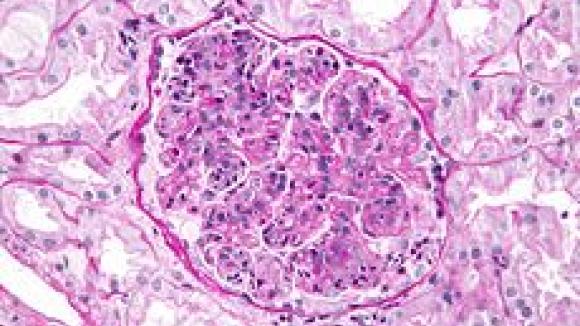
Research from Johns Hopkins reports that rheumatoid arthritis (RA) patients with periodontitis exhibited patterns of autoantigen hypercitrullination similar to that seen in RA. Results published in Science Translational Medicine showed that Aggregatibacter actinomycetemcomitans can produce hypercitrullination of patient neutrophils, indicating its possible role in triggering RA. (Citation source: http://buff.ly/2hZTBG8)
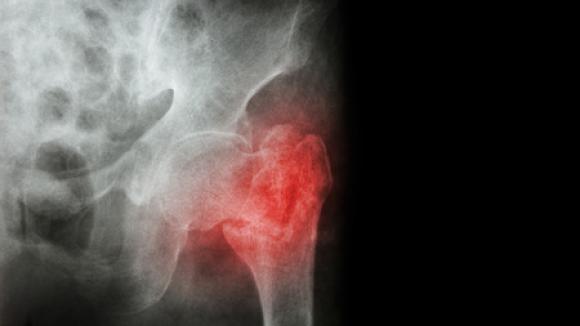
No new osteoporosis drugs hit the market this year, but two are progressing through the development pipeline and are showing promise.
Washington is always a great city to visit (even though there were a few protesters floating around the streets). I hope the posts I made were of interest to some readers. Here are my top 5 highlights from ACR 2016:

The PRECISION study will be presented on Tuesday, November 15, 2016 by Dr. Elaine Husni from the Cleveland Clinic. This report brings to a climax the controversy ignited by the February 2005 3 day FDA Arthritis Advisory Committee review of the safety of the blockbuster COX-2 inhibitors, celecoxib, rofecoxib, and valdecoxib.

Eli Lilly & Co. has multiple presentations planned for the upcoming Annual meeting of the ACR/ARHP in Washington starting on Sunday, November 13th.

Amgen has released the presentation times and locations for 21 abstracts to be presented at the ACR/ARHP 2016 Annual Meeting in Washington next week.

The International Osteoporosis Foundation has established the Chronic Inflammation and Bone Structure (CIBS) Working Group to address bone loss in rheumatoid arthritis (RA) and the role of biologic therapies. They conclude that early and aggressive treatment with biologic disease-modifying anti-rheumatic drugs will help prevent progressive bone loss in patients with RA.
The Wall Street Journal has reported an alarming trend in generic drug pricing that affects many, especially the elderly and those with arthrtis.

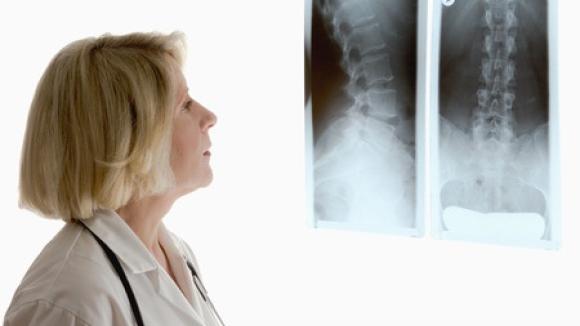
Low back pain (LBP) is the fifth most common reason for all physician visits in the United States and nearly 25% of all U.S. adults have had LBP in the last 3 months and nearly 6% reported at least 1 episode of severe acute low back pain in the last 1-year.

By downloading this material, I acknowledge that it may be used only for personal use and personal education and that I will accredit RheumNow.com as the source and owner of this material. Commercial use or mass reproduction of this material without permission from RheumNow (info@rheumnow.com) is prohibited.