
Article
Pain management in the U.S. is at a vexing crossroad. The news tells us that narcotics are increasingly being restricted for their dangerous side effects and inappropriate use.

Search for Terms or Answers
Pain management in the U.S. is at a vexing crossroad. The news tells us that narcotics are increasingly being restricted for their dangerous side effects and inappropriate use.

Dr. Cush reviews highlights from this week on RheumNow.com.

In an era of increasing fears over narcotic abuse and narcotic-related deaths, the number of opioid prescriptions in the United States is finally falling, the according to the NY Times.
Dr. Jack Cush reviews this week's news and research highlights from RheumNow.com.
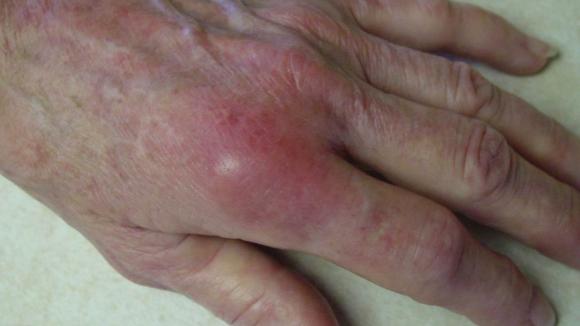
Morais and colleagues have published an informative review of rheumatologic and musculoskeletal (MSK) disorders that may potentially befall those with benign or malignant blood disorders. It is important to be aware of these associations.
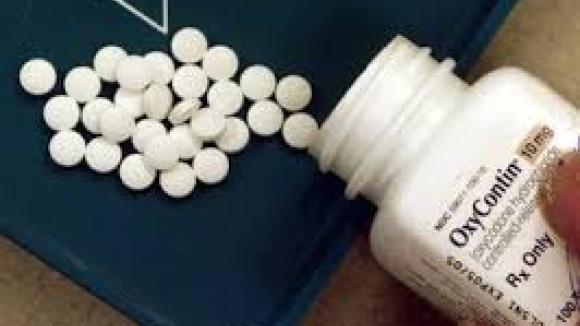
An advisory panel to the Food and Drug Administration met May 3rd and 4th to review whether the long-acting or extended release (ER/LA) opioid REMS programs approved in 2012 have had a meaningful effect on the opioid abuse problems noted nationwide. The FDA panel voted overwhelming

The Centers for Disease Control and Prevention (CDC) routinely surveys the population prevalence of certain chronic disorders, including arthritis.

Watch Dr. Jack Cush cover ten highlights from this week on RheumNow.com.
At the 2016 World Congress on Osteoarthritis (OARSI) meeting last week, first line results of a novel intraarticular inhibitor of the Wnt pathway (SM04690) in knee osteoarthritis were presented.
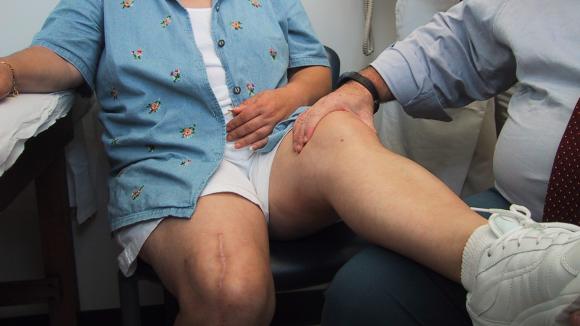
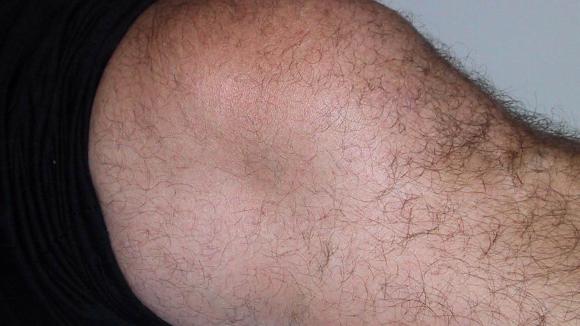
Knee effusions in osteoarthritis are estimated to occur in 44% of patients, and more than half of these are painful. Management of knee OA with effusions can be problematic given the treatment options and the high recurrence rate.
Highlights from this week on RheumNow.com
A recent report from the United States Bone and Joint Initiative (USBJI) estimates that 126.6 million Americans (one in two adults) are affected by a musculoskeletal (MSK) condition; a number on par with the number of Americans living with a chronic lung or heart conditions.

Eating a Mediterranean diet full of fruits, vegetables, fish, nuts, legumes and whole grains appears to be associated with a lower risk of hip fracture in women, although the actual risk reduction was small, according to a new study published online by JAMA Internal Medicine.

See the highlights from the past week that appeared on RheumNow.com, and watch Dr. Jack Cush as he reviews each of them.
In the current issue of JBMR, Kim and colleagues from Brigham and Women's Hospital in Boston assessed US claims data and studied the impact of three FDA drug safety warnings regarding the use of bisphosphonates.

A network analysis of multiple therapies used in osteoarthritis found that acetaminophen (paracetamol) does not meet the minimum standard of clinical effectiveness in reducing pain or improving physical function in patients with knee and hip osteoarthritis.

Sclerostin, an inhibitor of the Wnt/β-catenin pathway, negatively regulates osteoblast differentiation and has anti-anabolic effects on bone formation. Thus, inhibition of sclerostin is currently being studied as therapy for postmenopausal osteoporosis.

The use of opioids has become increasingly problematic in the last few years. First, the rising rates of use and abuse, followed by greater restrictions and regulations that have curtailed use, and, finally, a resultant increase in illicit drug use (heroin) and opioid overdoses.
Highlights from this week at RheumNow.com:
By downloading this material, I acknowledge that it may be used only for personal use and personal education and that I will accredit RheumNow.com as the source and owner of this material. Commercial use or mass reproduction of this material without permission from RheumNow (info@rheumnow.com) is prohibited.