All News

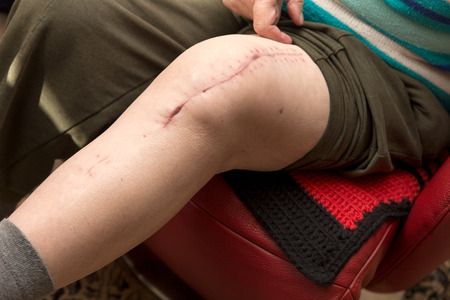
High Cost of Cancelling Knee Replacement Surgery
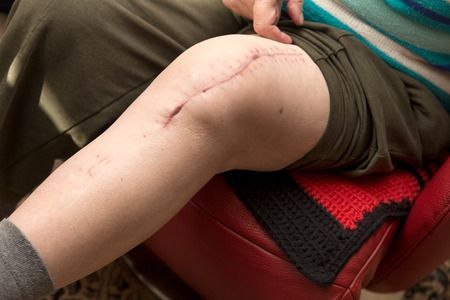
Thousands of NHS knee replacement operations are cancelled at short notice every year, many for avoidable reasons, according to a new study published December 1st. This costs the NHS millions of pounds and increases waiting times for patients, many of whom are in severe pain.
Read Article
Consensus Definitions on Difficult to Treat Psoriatic Arthritis
A substantial number of patients with psoriatic arthritis (PsA), have difficult, persistent and hard-to-treat disease. A GRAPPA task force has developed a consensus terminology for two distinct states: complex-to-manage PsA and treatment-refractory PsA.
Read Article
Hematologic Malignancies Increased in Systemic Sclerosis
Swedish national study found that among a cohort of systemic sclerosis (SSc) patients a two-fold increase risk of hematological malignancies was seen.
Read Article
Turkey Tryptophan (11.28.2025)
Dr. Jack Cush reviews the news and reports from this past week on RheumNow.com, including reports on FDA resurrections, FM seasonal worsening, and do you fight switch or swap biologics in PsA TNFi nonresponders?
Read Article
Treating Refractory Still's Disease
A full read systematic review article examined treatment options for difficult to manage systemic juvenile idiopathic arthritis, or Still’s disease.

Chronic pain may dramatically raise your blood pressure
Widespread chronic pain may stealthily drive up blood pressure, partly through its ties to depression and inflammation.
Read Article
Managing Perioperative DMARDs with Arthroplasty
Postoperative complications with arthroplasty may be related to chronic inflammation and immunosuppressive therapy. Yet a recent retrospective study total ankle arthroplasty in end-stage RA patients shows that early postoperative wound complications are unaffected by the continued use of their preoperative medications including DMARDs.
Read Article
Partial vs Total Knee Replacement: Is One Superior?
Patients with osteoarthritis (OA) primarily affecting only one knee joint compartment did just as well with partial knee replacement (PKR) as with total arthroplasty after 10 years in a randomized trial -- and maybe a little bit better. Final results of the landmark TOPKAT study indicated that rates of the most clinically important outcomes were nearly equal between the two procedures, according to David Beard, DPhil, GDPhys, MCSP, MSc, of the University of Oxford in England, and colleagues. These similarities included Oxford Knee Score (OKS) values both at year 10 and cumulatively during the entire follow-up period, as well as reoperations and revisions.
Read Article


Links: