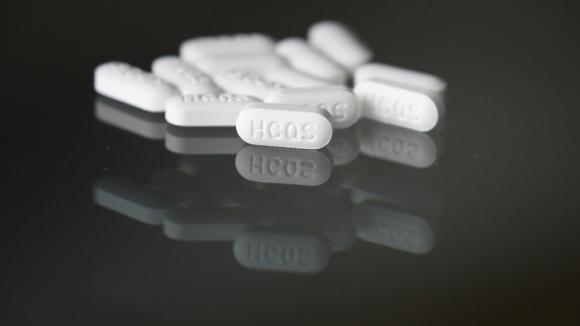
People taking hydroxychloroquine (HCQ) for systemic lupus erythematosus (SLE) showed markedly increased risk for atherosclerotic cardiovascular disease when blood levels of the drug were low and when long-term adherence was poor, a prospective study showed.
All News
The rheumatology, genetics and NIH communities mourn for Dr. Daniel L. Kastner, who died on July 28, 2026, in Bethesda, Maryland, at age 74. The following are declarations, tributes, and memories dedicated to this mensch of a man, titan of science, memorable mentor and humble physician.
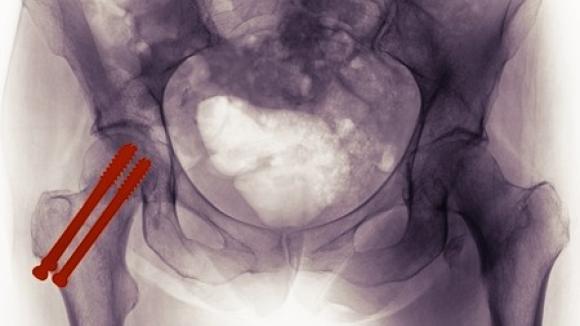
The July 16th edition of JAMA reviews the highly prevalent problem of hip fractures - a major global health burden: 14.2 million occur worldwide annually (280,000 in the US), with global incidence higher in women (833.9/100,000) than men (510.0/100,000). Lifetime risk at age 50 is 22.9% for women, 10.7% for men. Mortality is substantial.
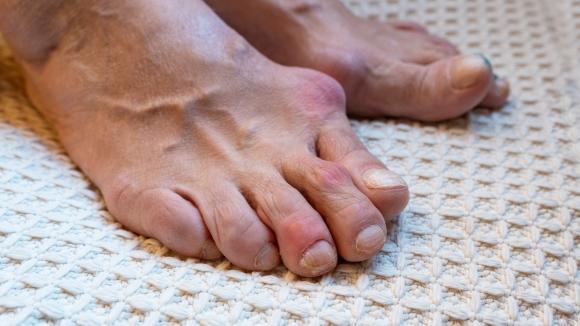
During this month-long campaign on Gout, we have documented many significant changes in our approach to gout, as well as many unmet needs and deficiencies that merit our continued, primary attention. We are all familiar with the famous 1905 quote, “Those who cannot remember the past are
New Avacopan Analysis Sent to FDA
After data manipulation allegations, the FDA has been calling for the vasculitis drug to be pulled from the market since January.
These are tips and hopefully the patients are abstaining from moderate alcohol and are not tipsy! Here are 5 tips that may not be totally obvious.
Dr. Jack Cush reviews the news, journal reports from the past week on RheumNow.com.
A recent perspective by Tedeschi tackles many unresolved issues around CPPD diagnosis, classification, and management, including the lack of clinical trials or FDA approved treatments.
William James famously wrote in Pragmatism, “There can be no difference anywhere that doesn’t make a difference elsewhere.” Gout treatment offers a striking medical example of that idea.
Fibromyalgia (FM) affects 4–6% of the U.S. population, with nearly a 2 fold female predominance. Nociplastic pain underlies the pathophysiology of FM. CNS hypersensitization to both painful and non-painful stimuli occurs with little or no tissue pathology. Framing FM as a disorder of CNS processing is critical to diagnosis, treatment approaches and patient buy-in.