
Article
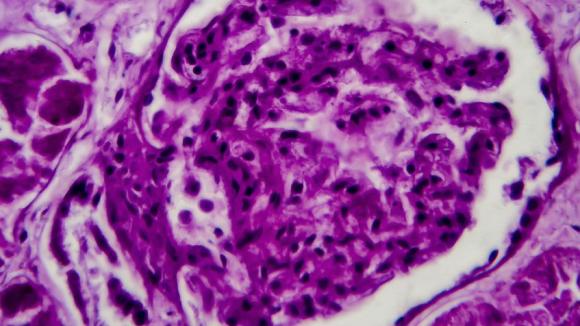
B-cell depletion therapy with obinutuzumab, a type II anti-CD20 monoclonal antibody, in lupus nephritis patients was shown to be effective in in combination with standard lupus therapies.

Search for Terms or Answers
B-cell depletion therapy with obinutuzumab, a type II anti-CD20 monoclonal antibody, in lupus nephritis patients was shown to be effective in in combination with standard lupus therapies.
A recent analysis shows thta glucocorticoids (GCs), usually recommended for short-term use in rheumatoid arthritis (RA), are variably used by rheumatologists, and that provider preference is a strong predictors of long-term glucocorticoid use.

Dr. Jack Cush reviews the FDA approvals, news and the latest journal articles from the past week on RheumNow.com.
Both systemic onset juvenile idiopathic arthritis (sJIA) and adult-onset Still’s disease are acquired autoinflammatory disorders of uncertain etiology. Yet recent reports of AOSD onset and flare following COVID-19 vaccinations may have important mechanistic implications.
October 8, 2021 the U.S.

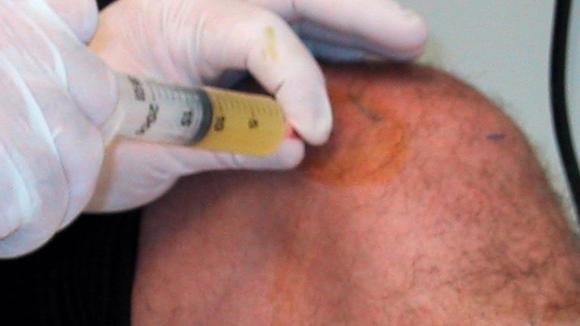
A longitudinal study from Iceland shows an increasing number of native joint infections (NJI), with iatrogenic, postarthroscopic infections being of particular concern.
Patients with systemic lupus erythematosus (SLE) had two to four times higher risk for serious infection requiring hospitalization, a nationwide Swedish study found.

Smartphones and diet; COVID-19 and the numbers - reassuring or not, and what about masks?; and do more drugs mean more switching, less persistence, and patient adherence goes up...or down? All this and more news and journal reports in this week's episode.
A retrospective records review of patients with periodic fever syndromes (PFS) receiving IL-1 inhibitor treatment with canakinumab (CAN), shows CAN to be effective and safe in a variety of PFS patients.
A new descriptive series shows an uncommon association between IgA vasculitis (IgAV) and inflammatory bowel diseases (IBD), with most cases interestingly arising after or during anti-TNF-α therapy.

A EULAR task force has promulgated several points to consider in managing difficult-to-treat RA. These "points" are unique in directing the rheumatologist's attention to the potential for misdiagnosis and the impact of comorbid conditions on what is perceived as poorly controlled RA.
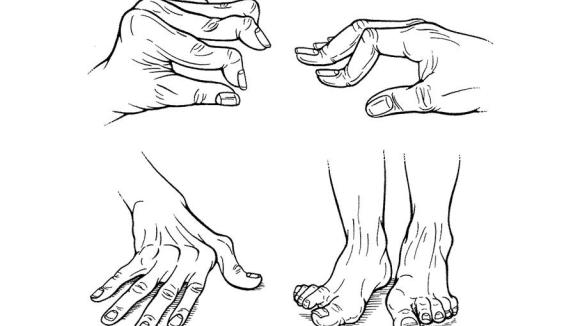
The interleukin-6 inhibitor, tocilizumab (TCZ), was studied in a cohort of difficult systemic sclerosis (SSc) and was shown to be effective in refractory joint and skin disease with good long-term retention rates and disease stabilization.
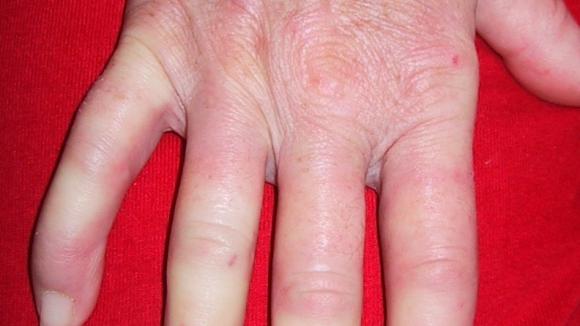
A new European real world experience study shows that mepolizumab is effective at both 100 or 300mg every 4 weeks in patients with the rarely encountered eosinophilic granulomatosis with polyangiitis (EGPA; or Churg-Strauss Syndrome).
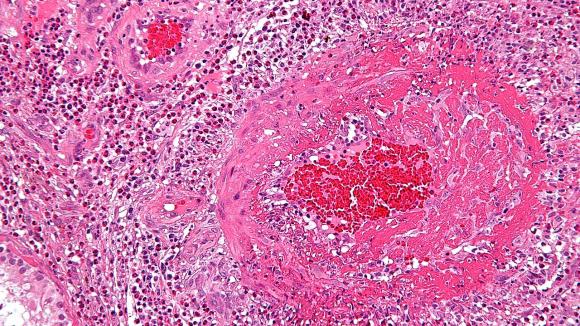


By downloading this material, I acknowledge that it may be used only for personal use and personal education and that I will accredit RheumNow.com as the source and owner of this material. Commercial use or mass reproduction of this material without permission from RheumNow (info@rheumnow.com) is prohibited.
