
Article
Dr. Jack Cush reviews the news and journal reports from this week on RheumNow.com. Today we cover GLP-1 agonists, acupuncture, what JAKs won’t do & an FDA Pink Slip.

Search for Terms or Answers
Dr. Jack Cush reviews the news and journal reports from this week on RheumNow.com. Today we cover GLP-1 agonists, acupuncture, what JAKs won’t do & an FDA Pink Slip.
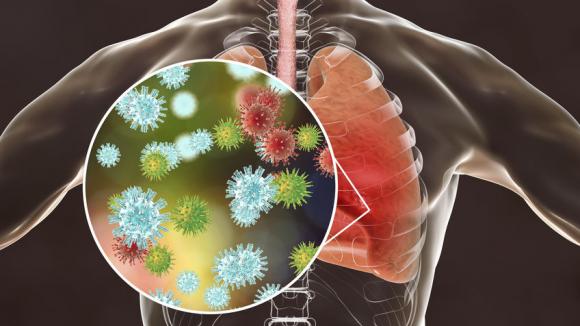
A multicenter study investigated the association between hydroxychloroquine (HCQ) dosage and COVID-19 mortality among hospitalized patients from multiple medical centers in China. The analysis focused on dose effects of HCQ on mortality.
Patients with rheumatoid arthritis (RA) who used GLP-1 receptor agonists had less disease activity and improved cardiovascular biomarkers, a small retrospective study indicated.

What do you need to know about scleroderma-related lung fibrosis as a practicing rheumatologist? Here are takeaways from these guidelines and my practice.

A new study led by investigators at Mass General Brigham finds that adding novel weight loss GLP-1 drugs semaglutide and tirzepatide to usual care represents a cost-effective treatment strategy for people with knee osteoarthritis and obesity, with tirzepatide providing greater health benefits at lower cost compared to semaglutide.

JAMA has published a systematic review and meta-analysis of head-to-head studies showing there was no meaningful difference in safety events observed when taking either JAK inhibitor (JAKi) vs TNF antagonist (TNFi) therapies for the treatment of immune-mediated
Deane et al has published the results of the STOP-RA trial, demonstrating that 12 months of hydroxychloroquine (HCQ) did not prevent the development of clinical RA at 36 months.
Treat-to-target strategies are not a new concept in rheumatology. It has shown to improve patient outcomes and quality of life in RA and PsA, and is now being increasingly adopted not only in SLE research but also in clinical practice. This article reviews key highlights from Dr. Eric Morand’s plenary session lecture on Treat to Target in SLE: Current Evidence and Future Directions, presented during the recent APLAR 2025 Congress.






By downloading this material, I acknowledge that it may be used only for personal use and personal education and that I will accredit RheumNow.com as the source and owner of this material. Commercial use or mass reproduction of this material without permission from RheumNow (info@rheumnow.com) is prohibited.



