All News
Biomarker Combo Predicts TNF Inhibitor Responses
Based on clinical trial data, patients starting tumour necrosis factor-alpha inhibitors (TNFi) have roughly a two-thirds chance of achieiving a good clinical response. French investigators have studied a series of potential biomarkers and surmised that the combination of baseline prealbumin, platelet factor 4 and S100A12 can predict a 78% response to TNFi in rheumatoid arthritis (RA) patients.
Read ArticleImmunophysiology of the Gout Attack
Gout may be an ancient disease, with arthritis of the big toe having been described in Egypt in 2,600 BC, but only now are the underlying pathophysiologic events being elucidated and understood.
Read ArticleUltrasound Tenosynovitis Predicts RA Development
Musculoskeletal ultrasound (US) has become a more widely used tool in rheumatology clinical practice. This study of early inflammatory arthritis patients shows that US-defined digit flexor tenosynovitis was more predictive of subsequent rheumatoid arthritis than findings of ACPA positivity or US-defined joint synovitis.
The RheumNow Week in Review –Fateful Outcomes in Rheumatology (7.13.18)
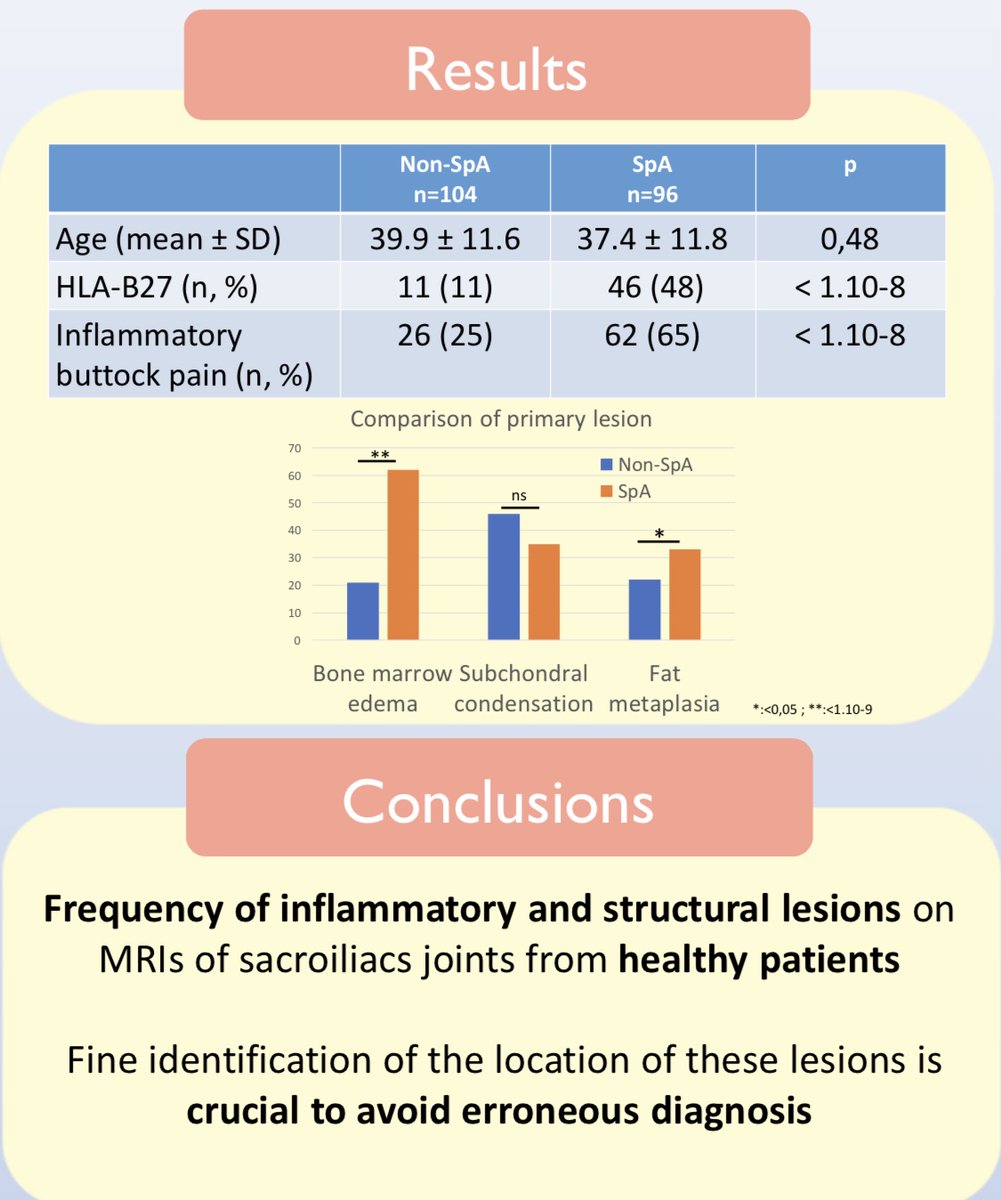
Dr. Jack Cush reviews the news and journal articles from the past week on RheumNow.com. Fateful outcomes in Rheumatology, what happens to Seronegatives, IL-23 fails, MRI progression, Not all inflammatory back pain becomes SpA:
Read ArticleBest of 2017: Are ANA Tests Unreliable?
Pisetsky and colleagues have reported in the Annals of Rheumatic Disease that ANA tests done on established SLE patients may yield surprisingly disparate results.
While ANA negative lupus was a problem of old assays and the loss of ANA positivity may be seen with chronicity or age, most rheumatologists believe that ANA positivity is an absolute requirement for the diagnosis of systemic lupus erythematosus.
Read ArticleDoes RA Have a Prodrome?
A pattern of increased primary care visits and joint complaints during the 2 years before rheumatoid arthritis (RA) was diagnosed were predictive of the diagnosis, a British case-control study found.
Read ArticleFive Barriers to Biosimilar Adoption in the US
A recent Deloitte analysis of the biosimilar market in the USA suggests there are defined obstacles to biosimilar use that must be dealt with, especially as the current administration is seeking to lower drug prices and reduce out-of-pocket costs for US consumers.
Read ArticleSeronegative and Seropositive Rheumatoids Respond Equally Well
A cohort study of 241 DMARD-naive rheumatoid arthritis (RA) patients, meeting either 1987 ACR or the 2010 ACR/EULAR classification criteria for RA, compared the baseline status and long term outcomes of seronegative (SNRA) and seropositive (SPRA).
Read ArticleJAK Inhibition in Autoinflammatory Syndromes Interferonopathies
While many autoinflammatory syndromes are driven and managed with select inhibition of IL-1, IL-18 or IL-6, a subset are driven by type I interferon and are referred to as interferonopathies. These monogenic IFN–mediated disorders present in infancy with fevers, systemic inflammation, an IFN response gene signature, inflammatory organ damage, and high mortality.
Read ArticleThe Microbiome and Lupus Connection Reviewed
In the current issue of the New England Journal of Medicine, Drs. James Rosenbaum and Gregg Silverstein review the pathogenesis of systemic lupus erythematosus (SLE) from the viewpoint of a dysbiolsis.
Read ArticleLow Disease Activity in Lupus Limits Damage
Patients with systemic lupus erythematosus (SLE) who were assessed as being in a low disease activity state during more than half of clinical visits had a decrease in organ damage events of approximately 50%, a retrospective study found.
Read ArticleMPO Antibodies Predict Relapses in MPO-ANCA-Associated Vasculitis
A study of MPO-ANCA positive patients followed serially over 2 years shows that reappearance of MPO‐ANCA may predict relapse in patients with MPO‐ANCA positive AAV and that routine MPO‐ANCA monitoring is warranted.
Read ArticleAutoinflammatory Syndromes Show Dramatic Response to Canakinumab
The New England Journal of Medicine reports that the anti-interleukin (IL)-1β monoclonal antibody canakinumab (Ilaris) was effective in the treatment of three distinct autoinflammatory recurrent fever syndromes (FMF, TRAPS, HIDS) with responses that were far superior to what was see
Read ArticleEpigenetic Link in Rheumatoid Arthritis to Huntington's Disease
Researchers at University of California San Diego School and the Icahn School of Medicine have found a high-resolution epigenomic landscape of rheumatoid arthritis (RA) that overlaps with that seen in Huntington's disease, suggesting potentially new unanticipated pathways that could be devel
Read ArticleThe RheumNow Week in Review - Nonadherence and Astronomic Costs (5.11.18)
Dr. Jack Cush reviews highlights, news and journal articles from the past week on RheumNow.com.
Read ArticleMortality Risks Shift in Granulomatosis with Polyangiitis
Mortality remains high in granulomatosis with polyangiitis (GPA), but the causes of death tend to change over time, a researcher reported here.
Read ArticleThe RheumNow Week in Review – Why Comorbidity is Like the Weather (5.3.18)
Dr. Jack Cush discusses the news and journal articles from the past week on RheumNow.com.
Read ArticleTargeting IL-17A: A Winner in PsA
Psoriatic arthritis patients with inadequate response to tumor necrosis factor (TNF) inhibitors had improvements in their arthritis and psoriasis when treated with the interleukin (IL)-17A blocker ixekizumab (Taltz), according to a phase III study presented here at the
Read ArticleGenetic Breakthrough in Systemic JIA
The identification of a genetic susceptibility locus for systemic juvenile idiopathic arthritis (sJIA) has important implications for treatment of this severe, poorly understood illness, researchers reported.
Read ArticleTick, Mosquite-Borne Diseases Triple Since 2004
The Centers for Disease Control and Prevention has a new report showing that from 2004 to 2016, the number of Americans infected by mosquitoes, ticks or fleas tripled from 27,388 in 2004, to 96,075 in 2016.
From 2015 to 2016, these infections rose by 73 percent. This included new Zika and chikungunya virus infections, (41,680 in 2016), followed by Lyme disease (36,429 cases). This may be an underestimation as as many infections are not reported.
Read Article