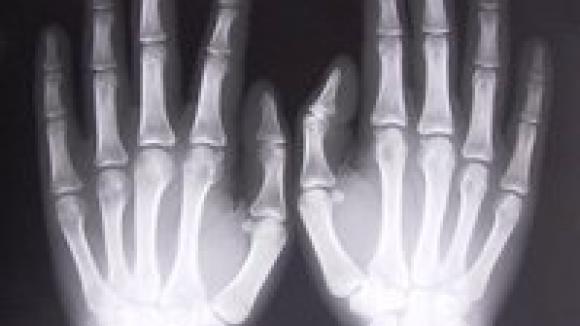
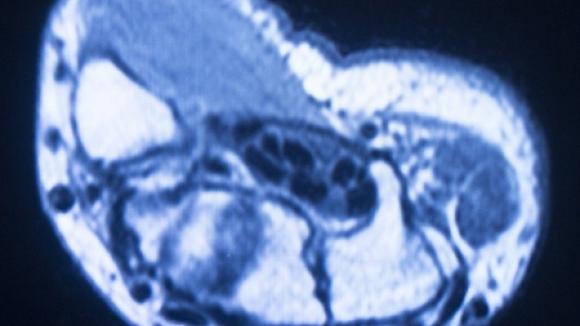
Rheumatology has published a study demonstrating that bone marrow edema as measured by magnetic resonance imaging (MRI) may be found in healthy people, but that such changes do not change with intense physical activity.
All News
In this Therapeutic Update, Drs. Mease, Gibofsky and Cush answer five questions regarding the August 3rd FDA Arthritis Advisory Committee meeting that reviewed the potential approval of tofacitinib (Xeljanz) in patients with active psoriatic arthritis. The panel was nearly unanimous (10-1) in favor of the efficacy and safety profile of of tofacitinib, and similarly voted 10-1 to approve this drug for use in PsA. Final decisions on these recommendations from the AAC panel will be made at a later date by the FDA.
Dalbeth and colleagues have published a novel report in Arthritis & Rheumatology, novel in that it is a trial of early gout patients that looks at clinical and radiographic outcomes. They showed that febuxostat improves magnetic resonance imaging (MRI) measures of synovitis and reduced gout flares, but failed to alter X-ray progression with 2 years follow-up.
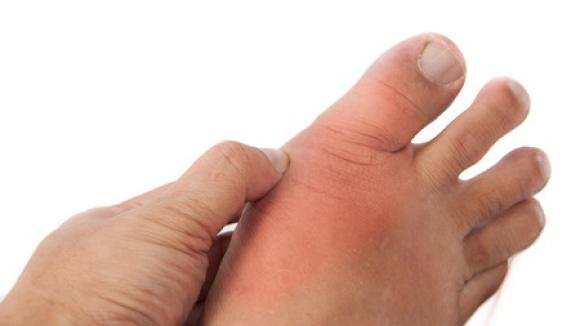
The following is a collection of gout-specific mentions culled from RheumNow's coverage of the Annual ACR 2017 meeting in San Diego.
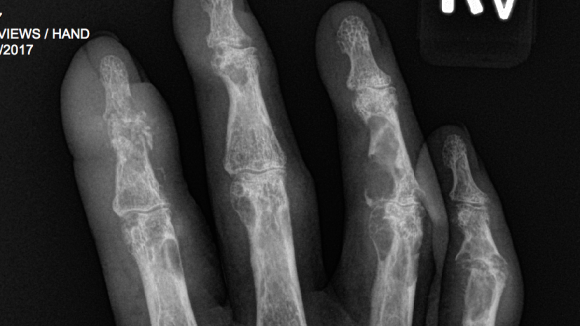
Reduction on radiographic progression has now become the standard of care in the therapies used to treat psoriatic arthritis and, during the 2017 ACR Meeting, several agents reported the results of their studies with radiographic endpoints.
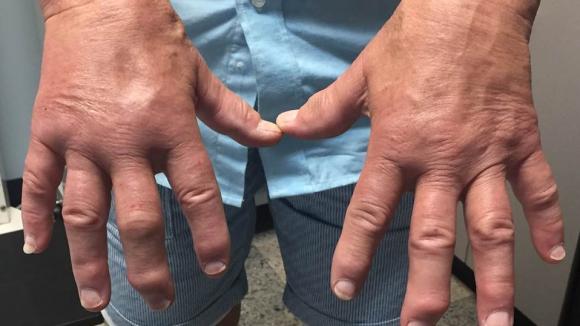
The ACR Review Course was superb once again from top to bottom, from Blue Fingers to Practical Treatment of RA. Every year I wonder if I should skip it, but each year I go. And I have never regretted it. Here are my take-home messages and “pearls” from the ACR Review Course.
Although tumour necrosis factor inhibitors (TNFi) are highly effective (on clinical grounds) in ankylosing spondylitis (AS), proof that they may alter the course of spinal radiographic progression has been scant.
The RheumNow Week in Review discusses the past week's news, journal articles and highlights from RheumNow.com. In this week's report, Dr. Jack Cush discusses when to hold the biologic, lymphoma risk with tofacitinib, early clues to the diagnosis of RA, biologic use in pregnancy, what's killing psoriasis patients and the 2016 top 5, best selling drugs in rheumatology.
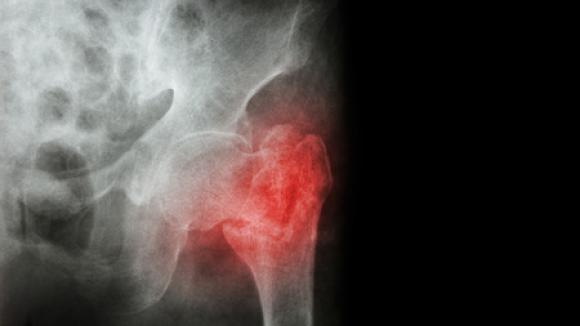
The Journal of Bone and Mineral Research reports that older men with undiagnosed vertebral fractures are likely to report new or worsening back pain. (Citation source bit.ly/2y9rMiZ)
In the current issue of ARD, the European League Against Rheumatism (EULAR) has revised and updated its 2001 guideline for musculoskeletal (MS) ultrasound (US) in rheumatology; this time incorporating new advances, technological developments and use indications in rheumatology. EULAR has provided this as an educational tool and standard reference for MSUS practice and research in rheumatology.
In this Therapeutic Update, Drs. Mease, Gibofsky and Cush answer five questions regarding the August 3rd FDA Arthritis Advisory Committee meeting that reviewed the potential approval of tofacitinib (Xeljanz) in patients with active psoriatic arthritis. The panel was nearly unanimous (10-1) in favor of the efficacy and safety profile of of tofacitinib, and similarly voted 10-1 to approve this drug for use in PsA. Final decisions on these recommendations from the AAC panel will be made at a later date by the FDA.
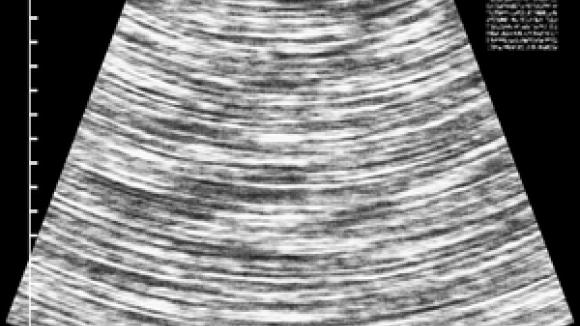
In the United States, musculoskeletal ultrasound (MSUS) in rheumatology has grown significantly in the last few decades. Ten years ago, more than half of rheumatology fellows had training or exposure to MSUS. A current survey of training programs shows that 94% provide MSUS training.
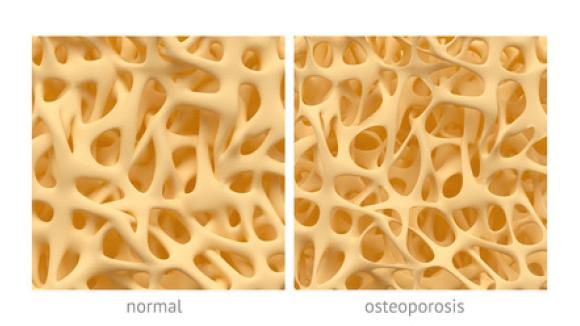
The STRUCTURE trial results have been reported in Lancet and have shown that after 12 months of therapy, romosozumab (ROMO) had superior gains in bone mineral density (BMD) compared to teriparatide (TER) in women with postmenopausal osteoporosis who have previously taken bisphosphonate therapy.
Dr. Jack Cush reviews the news and articles from the past week on RheumNow.com:
Acute diffuse lung infiltration in patients with systemic lupus erythematosus (SLE) requires prompt evaluation for diffuse alveolar hemorrhage (DAH) when patients have low levels of hemoglobin and complement compound C4 and symptoms of hypoxia.
The Journal of the American Geriatric Society has reported that older women receiving bisphosphonate therapy for greater than 10-13 years were more likely to suffer from fractures.
A retrospective study shows that rituximab treatment of RA-related interstitial lung disease may improve or forestall ILD progression.
Dr Jack Cush reviews highlights from the news last week on RheumNow.com:
An article in the Journal of Bone and Mineral Research reports that physical activity during adolescence is an important determinant in bone strength. (Citation source http://buff.ly/2oph6vO)
Clinical Rheumatology reports that the repeated intravenous administration of gadolinium-based contrast agents (GBCAs), although clinically useful, may be associated with rare toxicity and the uncertain clinical effects of accumulation.