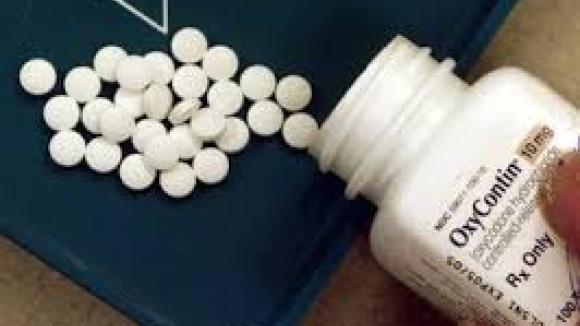
A current study in JAMA Internal Medicine showed that while US physicians who received no opioid-related marketing payments had fewer opioid prescriptions in 2015 compared with 2014, those receiving such payments wrote for more opioid in 2015.
All News
The European League Against Rheumatism (EULAR) convened a multidisciplinary task force including health professionals and patient representatives to develop evidence-based recommendations for pain management in patients with inflammatory arthritis (IA) and osteoarthritis (OA).
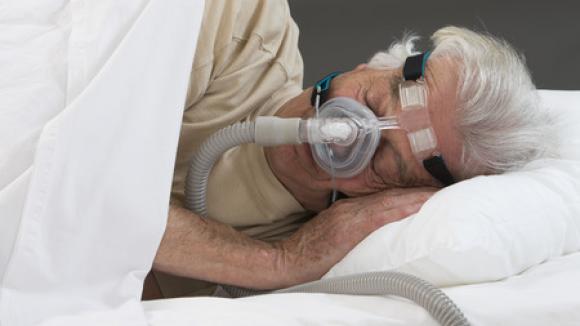
Geriatric patients are at a higher risk for obstructive sleep apnea (OSA), yet they are seldom diiagnosed or evaluated for OSA.
A recent study shows that 56% of people 65 years and older have a high risk of OSA, but that only 8% were tested for OSA.
The PRECISION study took 11 years and 24,081 patients (90% OA; 10% RA).
A systematic review in the Journal of the American Dental Association evaluated the safety and efficacy of analgesics and foundp opioids less effective than nonsteroidal anti-inflammatory drugs (NSAIDs) alone or in combination with acetaminophen when treating dental pain.
MMWR reports that eight states, including Colorado, have legalized recreational marijuana for use by adults and that a study of use in Colorado has shown that nearly 15% of Colorado adult workers have used marijuana in the past 30 days.
Arthritis & Rheumatology has published the results of the 2015 Workforce Study of Rheumatology Specialists, and estimates a current shortage (demand > supply) of 700 (12.9%) full-time rheumatologists and that this deficit will worsen (102%) to 4133 FTE by 2030.
Lancet has several reports on low back pain (LBP) as a major problem worldwide, largely because of the aging population.
Low back pain is the leading cause of disability worldwide.
Three reports from JAMA Internal Medicine demonstrate favorable trends with less opioid use when cannabis became legal.
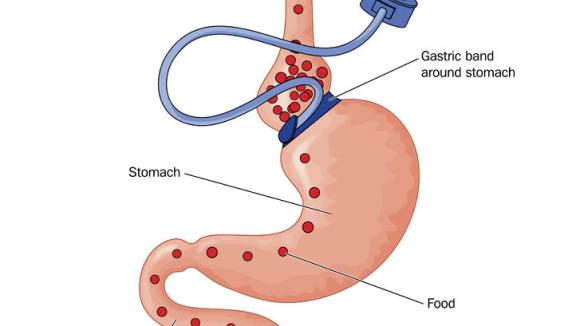
Laparoscopic gastric band (LAGB) surgery was associated with significant decreases in knee pain from osteoarthritis (OA), with the greatest improvements seen among those whose body mass index (BMI) had the greatest decreases and among younger patients, researchers reported.
The mind-body practice of tai chi was as effective or better than currently recommended aerobic exercise for fibromyalgia, a randomized controlled trial demonstrated.
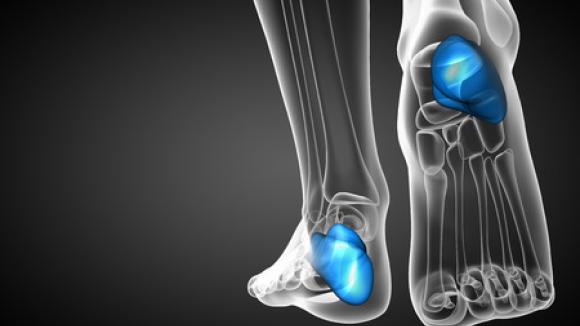
A report from the British Journal of Sports Medicine shows that commonly used drug store shoe inserts or customized orthotics are often ineffective in managing plantar heel pain.
Geniculate artery embolization was found to dampen knee pain arising from osteoarthritis, according to interim study results presented at the 2018 annual meeting of the Society of Interventional Radiology.
MMWR reports that In 2015, the number of adults with arthritis continued to increase; with marked geographic variability in arthritis estimates with gaps in arthritis management.
Dr. Jack Cush reviews highlights, news and recent research published this past week on RheumNow.com. This week's report includes news on new regulatory changes, new indication for tofacitinib, the rise and deficits of opioids and the benefits of fish and bariatric surgery.
This edition of RheumNow's Drug Safey Bulletin includes drug safety news, FDA updates, FDA safety labeling changes and reported drug shortages.
The CDC released new information yesterday showing that emergency department (ED) visits for opioid overdoses rose 30% in the US from July 2016 through September 2017; in addition, those with an overdose are more likely to a repeat overdose.
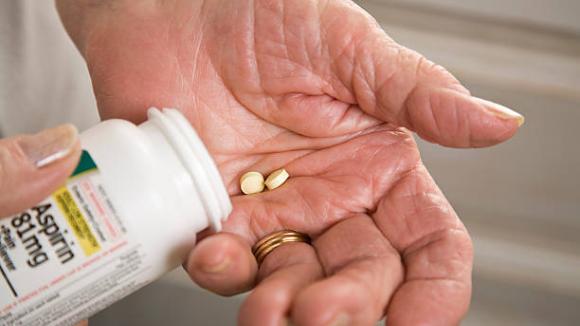
JAMA reports that the SPACE trial demonstrates patients with chronic back or arthritis pain respond equally to 12 months of either opioids or non-opioid (acetaminophen or NSAIDs) analgesics.
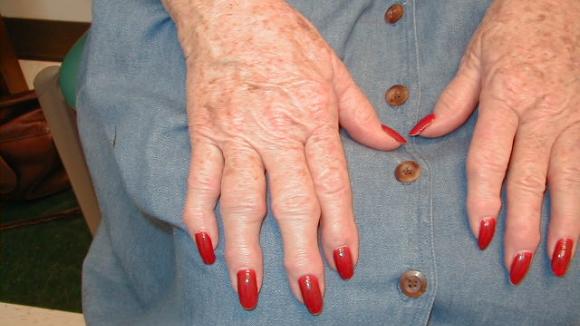
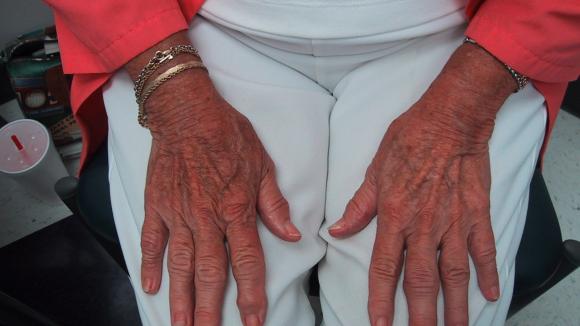
UK researchers have treated 248 patients with moderate to severe hand pain and radiographic osteoarthritis (OA) and demonstrated no benefit after 12 months of hydroxychloroquine (HCQ), according to a recent article in Annals of Internal Medicine.
An analysis of 43,706 adults from the 1999-2014 National Health and Nutrition Examination Surveys (NHANES) demonstrated temporal trends in the prevalence of arthritis, including a rise in osteoarthritis (OA) from 6.6% to 14.3%, while the prevalence of rheumatoid arthritis (RA) decreased from 5.9%