The RheumNow Week in Review discusses the past week's news, journal articles and highlights from RheumNow.com. This week's report discusses survey results on membranous nephritis and patient perceptions of steroids, nonadherence, celebrity arthritis and IgG4 treatment.

All News
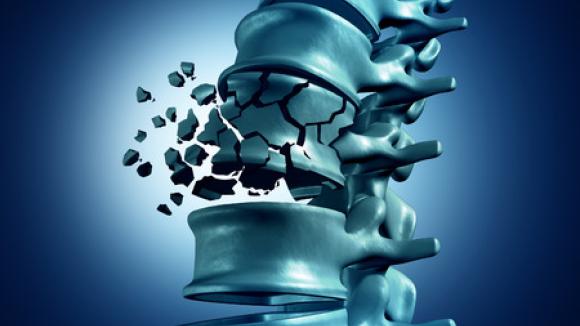
The Journal of Bone and Mineral Research reports that older men with undiagnosed vertebral fractures are likely to report new or worsening back pain. (Citation source bit.ly/2y9rMiZ)
The RheumNow Week in Review discusses the past week's news, journal articles and highlights from RheumNow.com. This week's report discusses metabolic syndrome in lupus, bisphosphonate holidays, vasculitis and vascular inflammation, vaccination, and the repeated wonders of Vitamin D.
Opioid overdose deaths quadrupled from 1999 to 2015 and accounted for 63% of drug overdose deaths in the United States in 2015. During 2010–2015, heroin overdose deaths quadrupled from 3,036 to 12,989, with heroin and illicitly manufactured fentanyl (IMF) as likely contributors to this trend.
In 1994 there were 600 supplement companies, producing 4,000 OTC supplement products for a total revenue of about $4 billion. Today we have close to 6,000 companies, producting nearly 75,000 supplement products, bringing in $37 billion annually.
Management of chronic low back pain (CLBP) is often complex, requiring multiple modalities and meds to control pain. An analysis of studies shows that Gabapentinoids, including pregabalin and gabapentin, have little to no benefits but significant risk of adverse effects.
Cannabis has become a regulated product, and many states have made it available with the intent of treating a variety of medical disorders, including chronic pain. A metanalysis published in Annals of Internal Medicine has shown that while cannabis may help neuropathic pain, it is not proven to benefit other types of chronic pain.
Every rheumatologist knows and every rheumatic patient woes about the havoc weather inflicts on joint pains. Yet, research on this issue has seldom confirmed these impressions.
Early diagnosis and early intervention has been the mantra of all who manage musculoskeletal (MSK) diseases for decades. While the rules for referral may be clear to some, the lack of uniformity and promotion amongst primary care providers is less certain.
In the wake of the well-publicized "opioid epidemic", researchers report in the Annals of Internal Medicine (online July 31) that more than one third of U.S.
The American College of Rheumatology has partnered with the American Association of Hip and Knee Surgeons to develop consensus-based guidelines for perioperative management of antirheumatic therapies for patients with rheumatic diseases who plan to undergo total joint replacement.
Because of the subjective nature of fibromyalgia symptoms, tools for monitoring of disease activity and/or treatment assessment tools to evaluate effectiveness of nonpharmacological modalities are difficult to develop.
The current Lancet edition for 10 June 2017 is a rheumatology rich collection.
The U.S. Food and Drug Administration has asked Endo International to withdraw Opana ER from the market, stating that benefits no longer outweigh its risks of this long-acting opioid.
Ohio is suing five major drug manufacturers, accusing them of misrepresenting the risks of prescription opioid painkillers that has resulted in the current opioid epidemic.
Dai, Felson and colleagues report in Annals of Rheumatic Disease that high dietary fiber lowers the risk of symptomatic osteoathritis (SxOA), but the radiographic benefits remain unclear. (Citation source http://buff.ly/2rHv9yd)
Journal of Addiction Medicine reported that young adults often are "self-medicated" to manage pain.
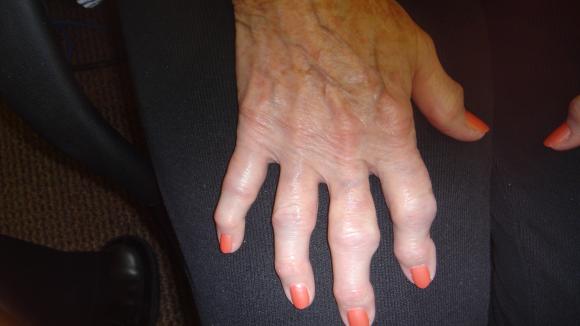
Qin and colleagues have published in Arthritis & Rheumatology that 40% of people will be affected by symptomatic osteoarthritis in at least one hand. (Citation source: http://buff.ly/2qTUscZ)
Dr Jack Cush reviews highlights from the news last week on RheumNow.com:
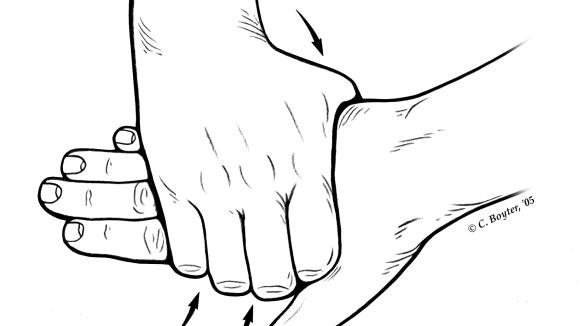
JAMA has published a review of 15 RCTs (1711 patients) analyzing the role of spinal manipulation therapy in patients with acute low back pain. The authors found modest improvements in pain and function at up to 6 weeks, with temporary minor musculoskeletal harms.