A retrospective cohort study of biological disease-modifying antirheumatic drugs (bDMARDs) persistence in rheumatoid arthritis patients with chronic kidney disease, shows the 3 year survival to be under 50% but that all studied biologics were nearly equivalents with regard to safety and efficacy.
All News
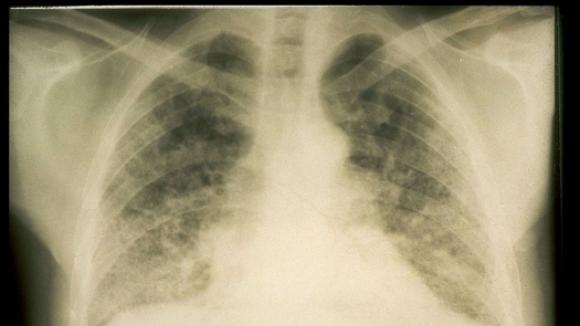
Interstitial lung disease (ILD) is the most widespread and fatal pulmonary complication of rheumatoid arthritis (RA). A recent metanalysis shows the pooled prevalence of RA-ILD was approximately 18.7%.
Ankylosing spondylitis (AS) patients not responding to usual dosing with secukinumab (150 mg) after 16 weeks were dose escalated to secukinumab (SEC) 300 mg, but failed to show improvement by week 52.
The “Controversies in Vitamin D” International Conference has published their proceedings on vitamin D metabolism, assessment, actions, and supplementation. Interestingly, optimal levels of 25-hydroxy vitamin D (25(OH)D) are still being debated.
A VA study of shows that recombinant zoster vaccine (RZV) vaccination in immunocompromised patients or those receiving immunosuppressive medications is insufficient, given these are high risk individuals.
The Annals of Internal Medicine reports that oral, low dose, weekly methotrexate significantly reduced knee osteoarthritis pain, stiffness, and function in a randomized controlled trial.
A matched cohort study from the Veterans Health Administration shows that rheumatoid arthritis patients have a >50% increased risk of lung cancer, and a 3-fold higher risk of lung cancer in RA-interstitial lung disease (ILD).
A UK cross-sectional EHR clinical practice analysis between 2004 and 2020 shows that analgesic prescribing in inflammatory arthritis patients has declined, but still remains substantial, including opioid prescribing. Data was drawn from the Clinical Practice Research Datalink Aurum to evaluate analgesic prescription annual prevalence in patients with RA, PsA and axSpA and found that analgesic prescribing declined over time but remained common.
Dr. Jack Cush reviews the news and journal reports from this past week on RheumNow.com.
Sjögren disease (SjD) is highly prevalent, but diagnosis may be challenged if anti-SSA antibodies or a labial salivary gland biopsy are negative. A recent cohort analysis suggests a novel autoantibody profile has predictive value SSA negative SjD and also in those with a positive labial biopsy.
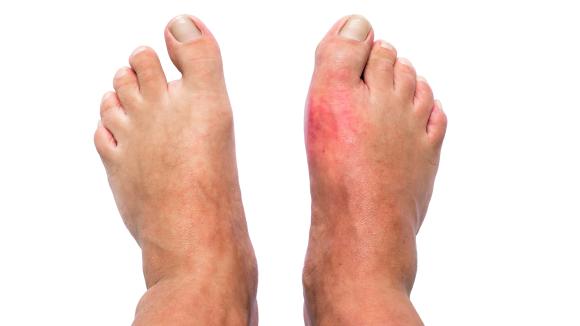
Approximately 12 million US adults in the US have gout. Two recent literature reports in JAMA and Arthritis Care & Research highlight contributors to gout flares.
A new scientific review of 148 studies enrolling over 4.3 million adult chronic pain patients treated with prescription opioid painkillers has found that nearly one in ten patients experiences opioid dependence or opioid use disorder and nearly one in three shows symptoms of dependence and opioid use disorder.
Dr. Madelaine Feldman has written an important commentary on the 340B Drug Pricing Program, a safety-net program that would allow vulnerable populations to receive expensive new therapies. But she points out that "this well-intentioned program has strayed from its original purpose", allowing certain hospitals and for-profit pharmacies to exploit the program.
A Spanish Collaborative Group study of Tocilizumab (TCZ) in Giant Cell Arteritis (GCA) demonstrated high efficacy regardless of the different vascular phenotypes treated.
Biosimilars Do Impact Biologic Drug Costs
Introduction of biosimilars for the rheumatology drug adalimumab, whose original branded version Humira has long been a blockbuster, appears to have led to a dramatic drop in net spending for these products -- even though biosimilars barely dented Humira prescription rates.
Dr. Jack Cush reviews the news and journal reports from the past week on RheumNow.com
Safety of Acetaminophen in the Elderly
New research, led by experts at the University of Nottingham, has found that repeated doses of paracetamol in people aged 65 and over, can lead to an increased risk of gastrointestinal, cardiovascular and renal complications.