
Article
Dr. Jack Cush reviews the news from the past week on RheumNow.com.

Search for Terms or Answers
Dr. Jack Cush reviews the news from the past week on RheumNow.com.

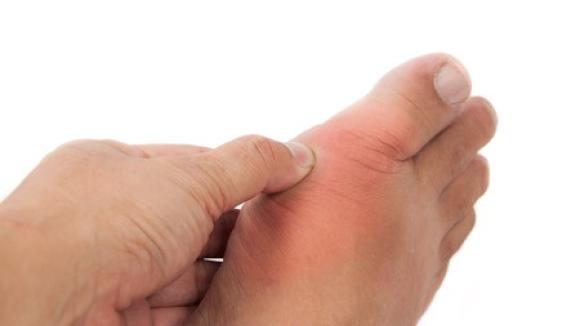
The Annals of Internal Medicine reports that interleukin-1 (IL-1) inhibitor treatment is associated with a reduced risk of gout attacks - such are the findings of an anlysis of the CANTOS study previously reported at the Annual ACR 2017 meeting in Washington, DC.
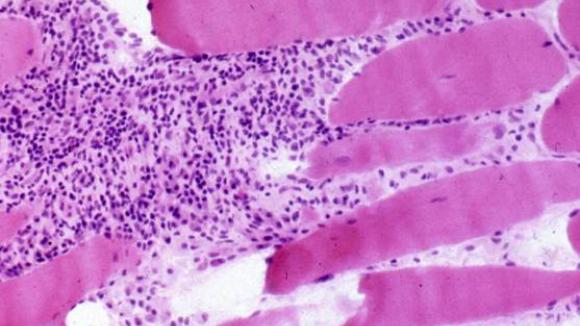
Using an observational cohort analysis of patients in the French myositis network, researchers have proposed a new classification of idiopathic inflammatory myopathies (IIM) with four subgroups: dermatomyositis, inclusion body myositis, immune-mediated necrotizing myopathy, and antisynthetas
Dr. Jack Cush reviews news and journal articles from the past week on RheumNow.com.

Uric acid (sUA) control may be a challenge in patients with chronic kidney disease (CKD). A cohort study shows that conventional dosing recommendations for allopurinol are unlikely to reach target serum sUA goals.
A Canadian Rheumatology Association SLE Working Group was established to develop recommendations for the assessment of people with systemic lupus erythematosus.
A panel that included 23 adult rheumatologists, 4 pediatric rheumatologists, 1 immunologist, 4 general internal medicine and rheumatology trainees, and a patient representative, used GRADE methodology to assess the literature and develop guidelines.

The British Society of Rheumatology has produced a set of NICE accredited guidelines for the use of biologic therapies in patients with inflammatory arthritis.

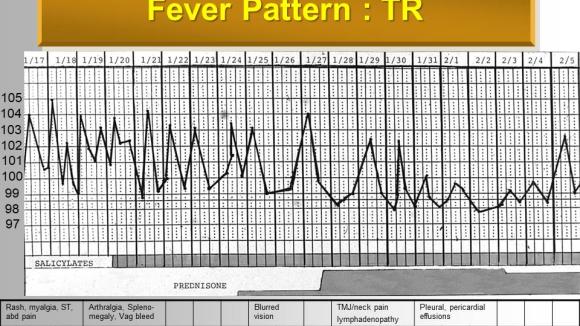
In July 2018, RheumNow launched a “Live Vote” survey of US and non-US rheumatologists that asked how they diagnose and treat systemic juvenile idiopathic arthritis (sJIA), also known as “Still’s disease”. It appears that many prefer to start therapy with an IL-1 inhibitor, after a course of steroids and MTX/DMARD. Yet, these findings suggest there are significant unmet needs in the diagnosis and management of sJIA patients.
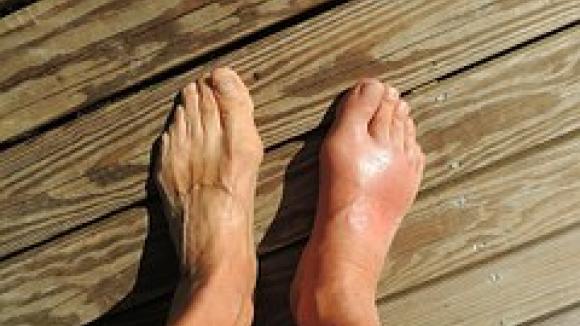
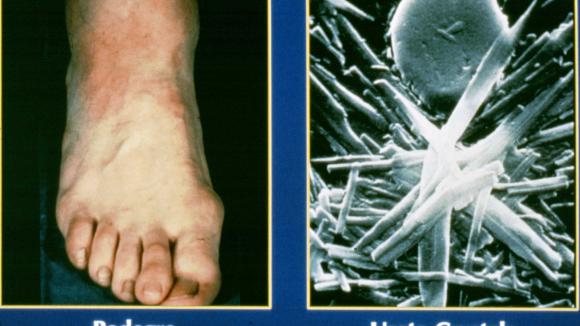
Dalbeth and colleagues studied 4 large prospective cohorts and found that rising levels of serum uric acid (SUA) leads to a non-linear increased risk of incident gout, but only half of those with SUA ≥10mg/dL developed clinically evident gout.
An Australian prospective study of patients with rheumatoid arthritis (RA), psoriatic arthritis (PsA) and ankylosing spondylitis (AS) has shown that sustained use of tumour necrosis factor (TNFi) inhibitors or biologics can reduce the risks of cardiovascular events (CVEs).

Dr. Jack Cush reviews the news and journal reports from the past week on RheumNow.com.
The Annals of Rheumatic Disease have published the recently developed Latin American clinical practice guidelines for systemic lupus erythematosus (SLE) addressing the best pharmacologic interventions for musculoskeletal, mucocutaneous, kidney, cardiac, pulmonary, neuropsychiatric, hemat

Positive tests results for antinuclear antibodies (ANAs) are frequently referred to rheumatology despite their poor predictive value, even in individuals who are ‘At Risk’ for autoimmune connective tissue diseases (AI-CTDs).
Based on clinical trial data, patients starting tumour necrosis factor-alpha inhibitors (TNFi) have roughly a two-thirds chance of achieiving a good clinical response. French investigators have studied a series of potential biomarkers and surmised that the combination of baseline prealbumin, platelet factor 4 and S100A12 can predict a 78% response to TNFi in rheumatoid arthritis (RA) patients.
Dr. Jack Cush reviews the news and journal articles from the past week on RheumNow.com. Fateful outcomes in Rheumatology, what happens to Seronegatives, IL-23 fails, MRI progression, Not all inflammatory back pain becomes SpA:
A Finnish Rheumatology Center followed 435 early, seronegative rheumatoid arthritis (RA) patients for 10-years and found that only 3% became erosive or seropositive RA.
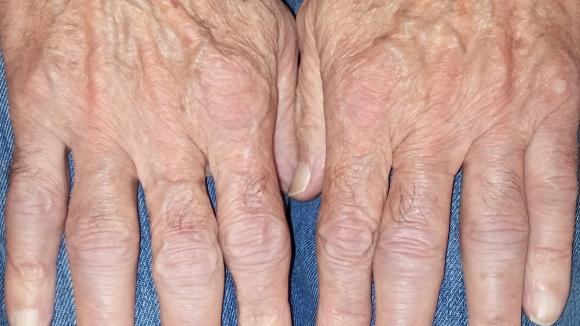
A recent metanalysis suggests that obesity, hypertension and diuretic use are associated with a two-fold increased risk of incident gout.
From a potential of 9923 articles, researchers analyzed 11 studies with data suitable for the meta-analysis.

Hydroxychloroquine retinopathy prevention guidelines have revised from ideal body weight-based dosing to actual body weight-based dosing; the question remains whether these have been adopted in clinical practice.
A database of nearly 21,000 new HCQ users from a UK general population database studied HCQ dosing and use between 2007 and 2016. Specifically they examined whether users were subjected to excess HCQ dosing per ophthalmology guidelines (defined by exceeding 6.5 mg/kg of IBW and 5.0 mg/kg of ABW).

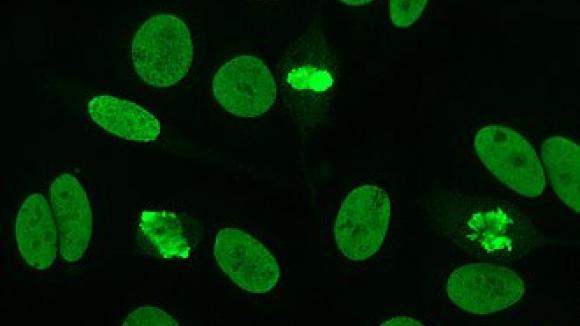
Pisetsky and colleagues have reported in the Annals of Rheumatic Disease that ANA tests done on established SLE patients may yield surprisingly disparate results.
While ANA negative lupus was a problem of old assays and the loss of ANA positivity may be seen with chronicity or age, most rheumatologists believe that ANA positivity is an absolute requirement for the diagnosis of systemic lupus erythematosus.

Dr. Jack Cush reviews selected news and journal reports from the past week on RheumNow.com.
By downloading this material, I acknowledge that it may be used only for personal use and personal education and that I will accredit RheumNow.com as the source and owner of this material. Commercial use or mass reproduction of this material without permission from RheumNow (info@rheumnow.com) is prohibited.

