

Data came from the UK Rheumatoid Arthritis Medication Study (RAMS), a prospective cohort of early RA patients starting methotrexate (MTX) shows that in the first year, adverse events (AE) were common, but not serious.

When balancing all these disease domains, individual phenotypes, and comorbidities, sometimes treatment decisions can feel like tossing a coin. Fortunately, numerous guidelines have been published to help us do better than tossing a coin…or do they?

In the wake of the 2016 AAOS Guidelines, rheumatologists dutifully reduced the dose HCQ take by patients with SLE to some number south of 5mg/kg per day. Though I believe the ophthalmologists correctly interpreted a 2014 paper in JAMA Ophthalmology that quoted a much-higher rate of HCQ associated retinopathy than had previously been appreciated, they and subsequent guidelines published in the field of rheumatology lacked a critical piece of
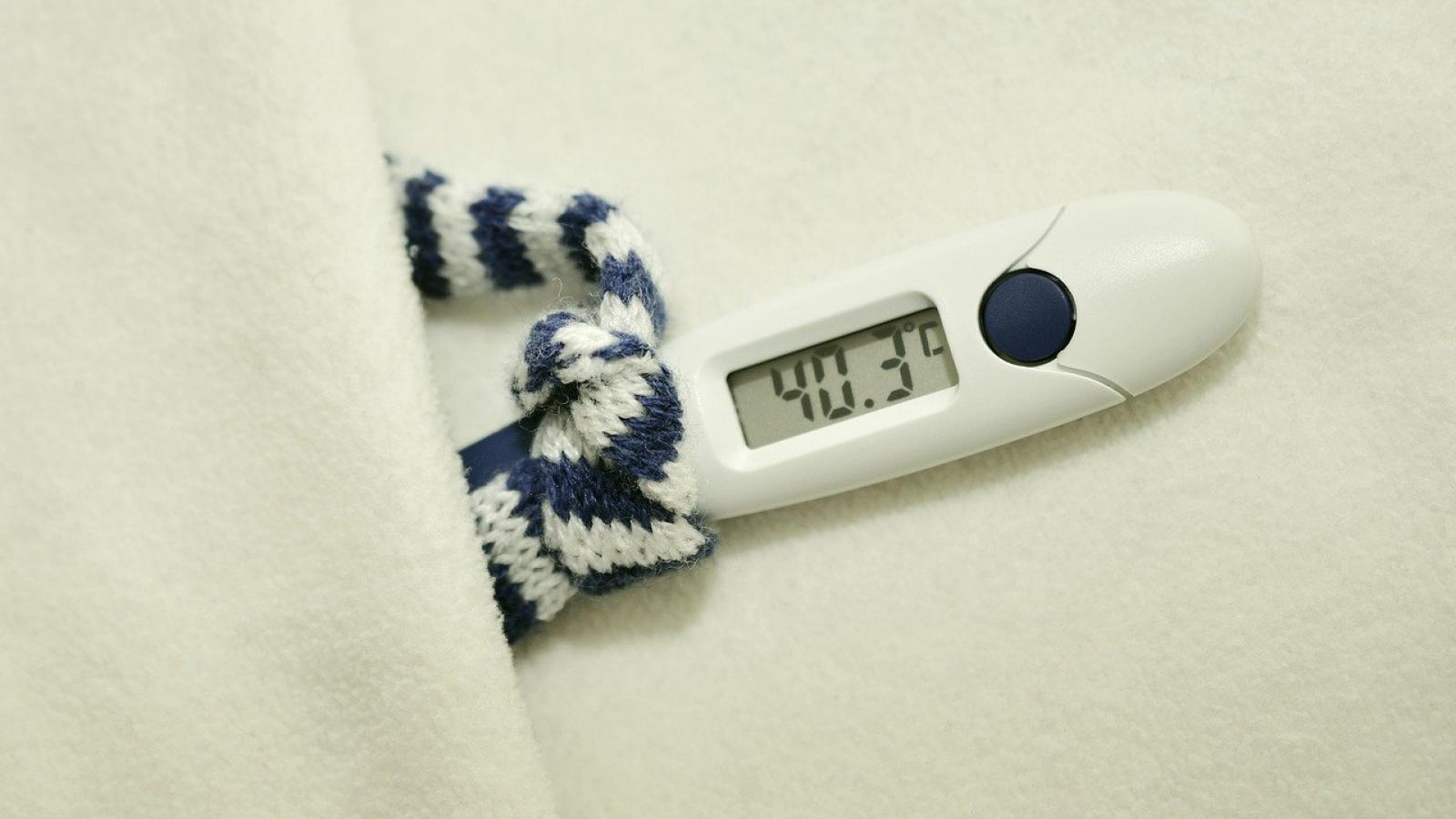
Adult-onset Still's presents an interesting and diagnostic challenge when encountered. Here are 5 tips to improve your diagnostic acumen for this febrile disorder.
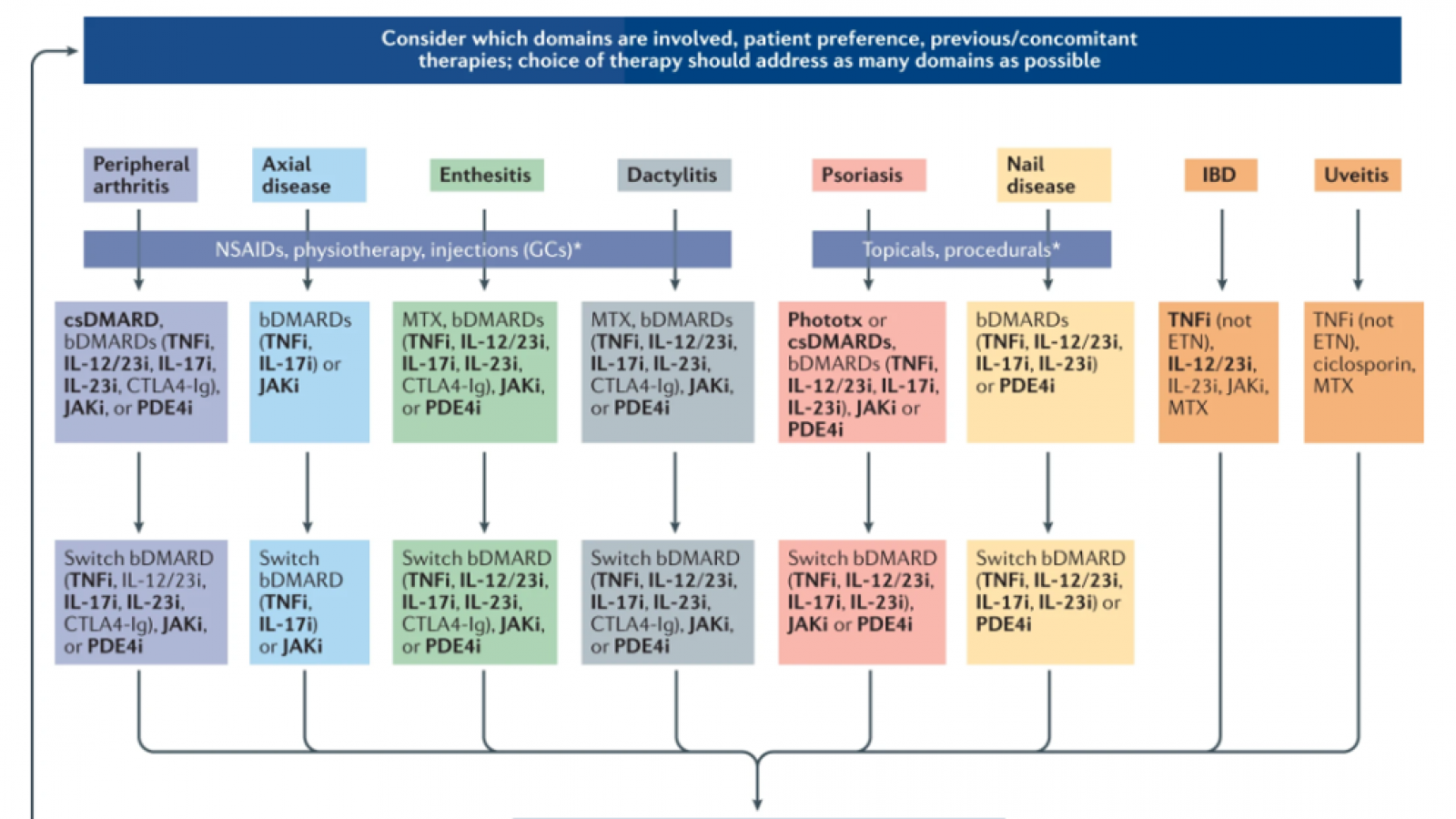
The GRAPPA (Group for Research and Assessment of Psoriasis and Psoriatic Arthritis) treatment recommendations have been updated and the 2021 evidence-based guidance is rich in treatment recommendations based on the key disease "domains" - peripheral arthritis, axial disease, enthesitis, dactylitis, skin and nail psoriasis; with new PsA related domains uveitis and inflammatory bowel disease.

Still’s disease and autoinflammatory disorders are rare conditions unified by recurrent fevers and inflammation of skin, joints, and other organs. While labs often support the diagnosis, these conditions are best diagnosed by genetic testing, or by specific criteria (in the absence of a genetic test). The following is a table that lists common misconceptions (myths) and their clarifying explanations.

Dr. Jack Cush reviews the top abstracts from EULAR 2022 As chosen by me with the aid of the RheumNow EULAR faculty. “Top” is relative and subjective, but my criteria for inclusion are based on impact, water cooler talk potential, innovation and social media buzz. Speaking of social media…

Interactions of the gut microbiota in humans promote the release of a variety of metabolites with profound effects on human health and immune regulation.
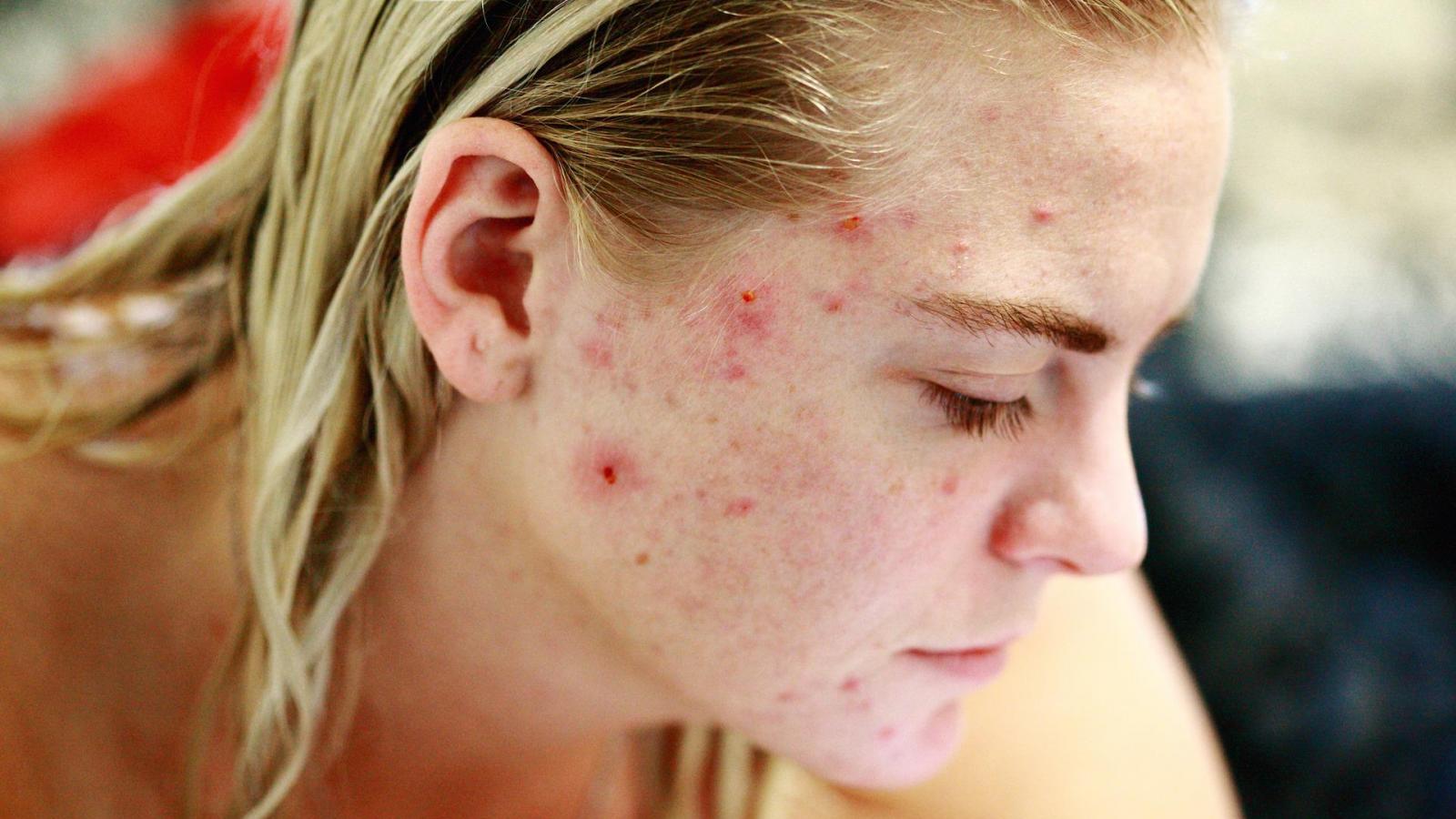
JAK inhibitors have become enormously popular and while their side effect profile has been delineated and reviewed, little mention is made of acne – an adverse event that may affect up to one-quarter of patients taking JAK inhibitors (JAKi). Dermatologists often refer to this side effect as "JAKne".
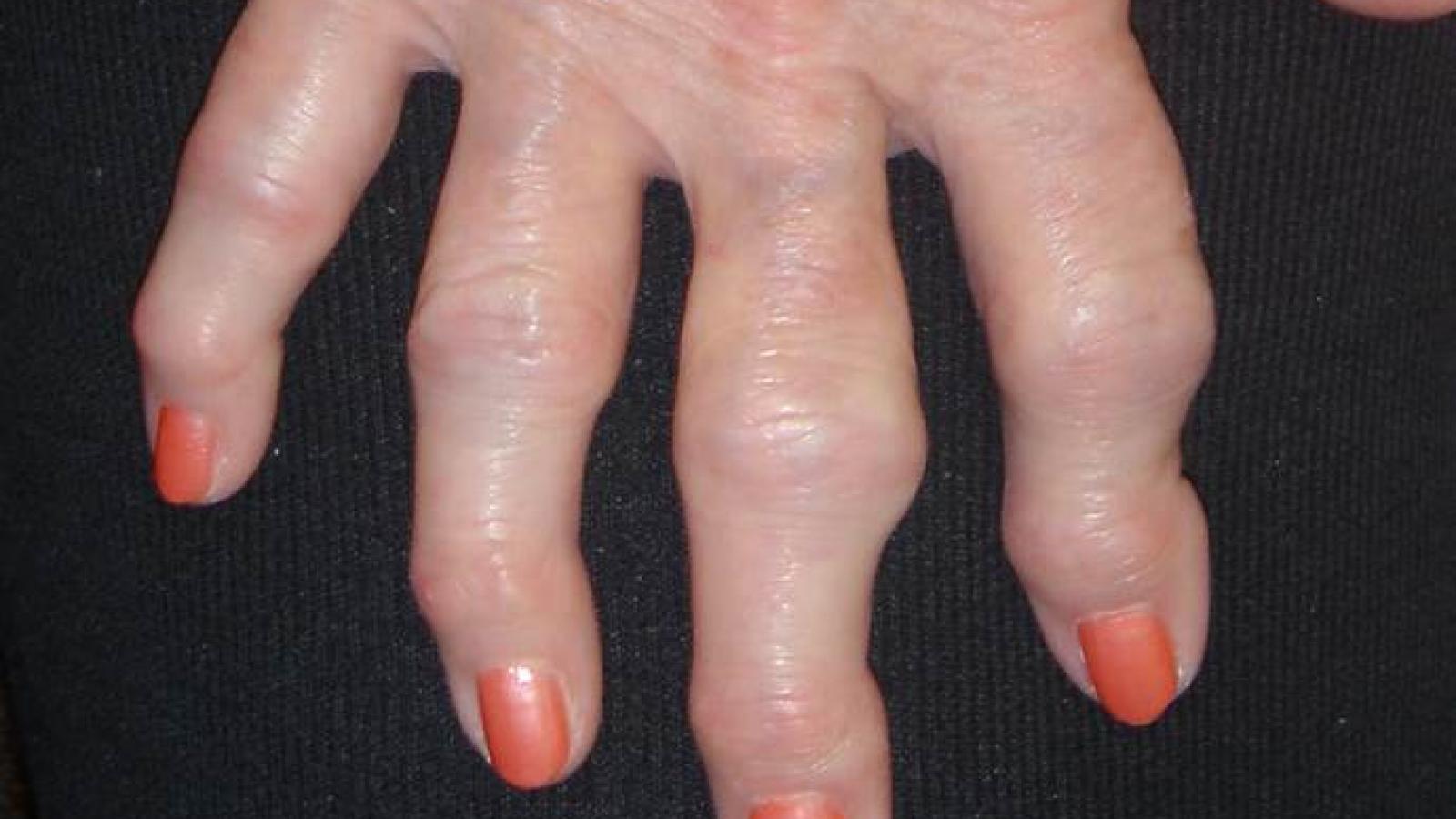
The drug talarozole – which increases retinoic acid – could be a promising new treatment for hand osteoarthritis.
Patients and their family for years have been inviting me to their dinners, picnics, baptisms, anniversaries, and funerals. I always felt somewhat awkward when asked to participate in a patient’s life outside of my office or the hospital setting and usually will decline politely. I tell myself I should not blur the lines between patient care and friendship.
I broke this rule recently.

Undifferentiated arthritis (UA) is common in medical practice and many advocate early use of DMARDs; yet a recent study shows that despite DMARD use, UA patients do not fair well with this approach.
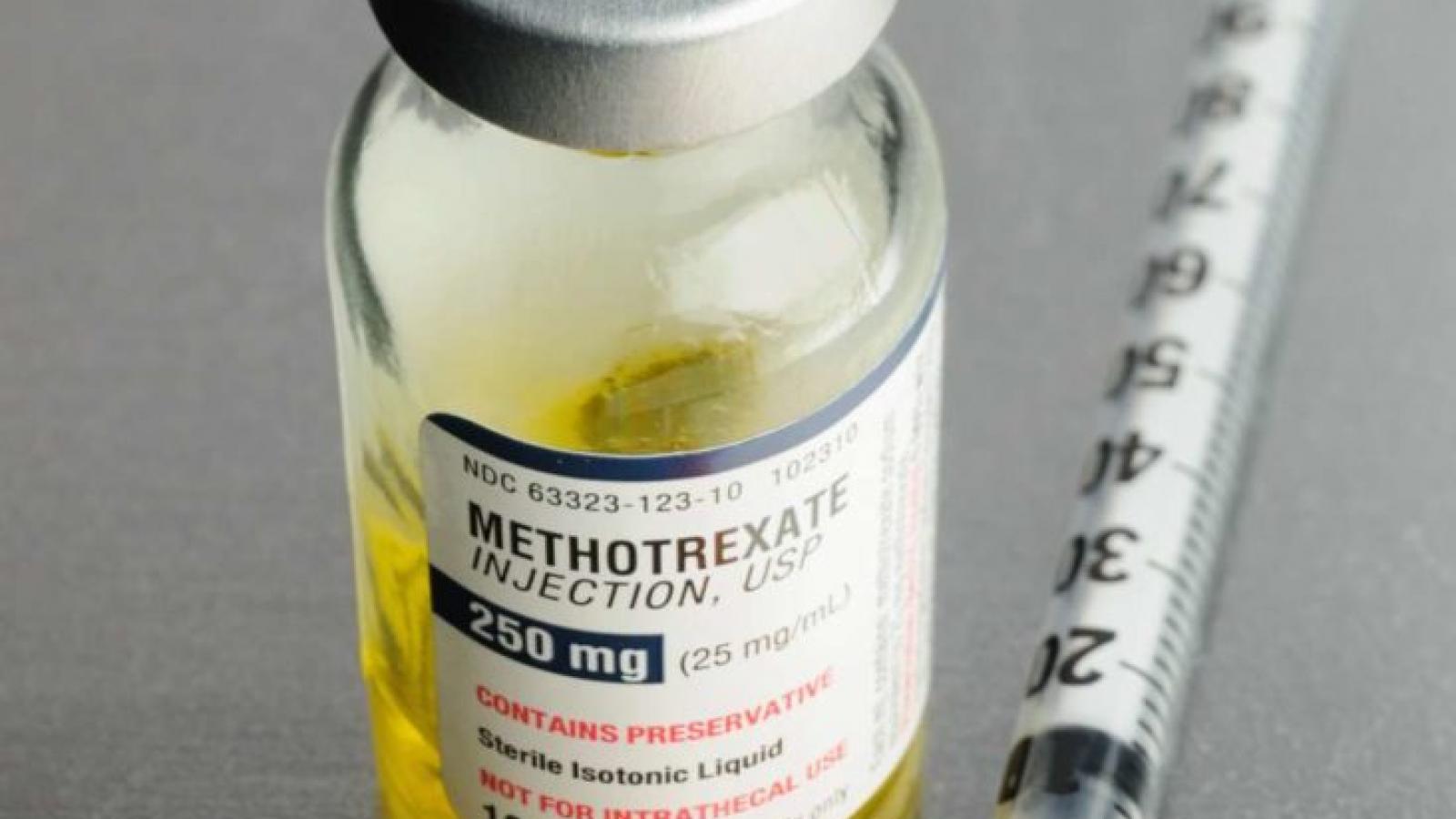
Until the publication of the SEAM trial, evidence in the medical literature for the efficacy of the most commonly used drug for psoriatic arthritis worldwide, methotrexate, has been lukewarm at best. Yet we all employ it commonly, either as monotherapy or in combination with biologic or targeted synthetic DMARD treatment. It is inexpensive and widely available, and only modestly toxic.
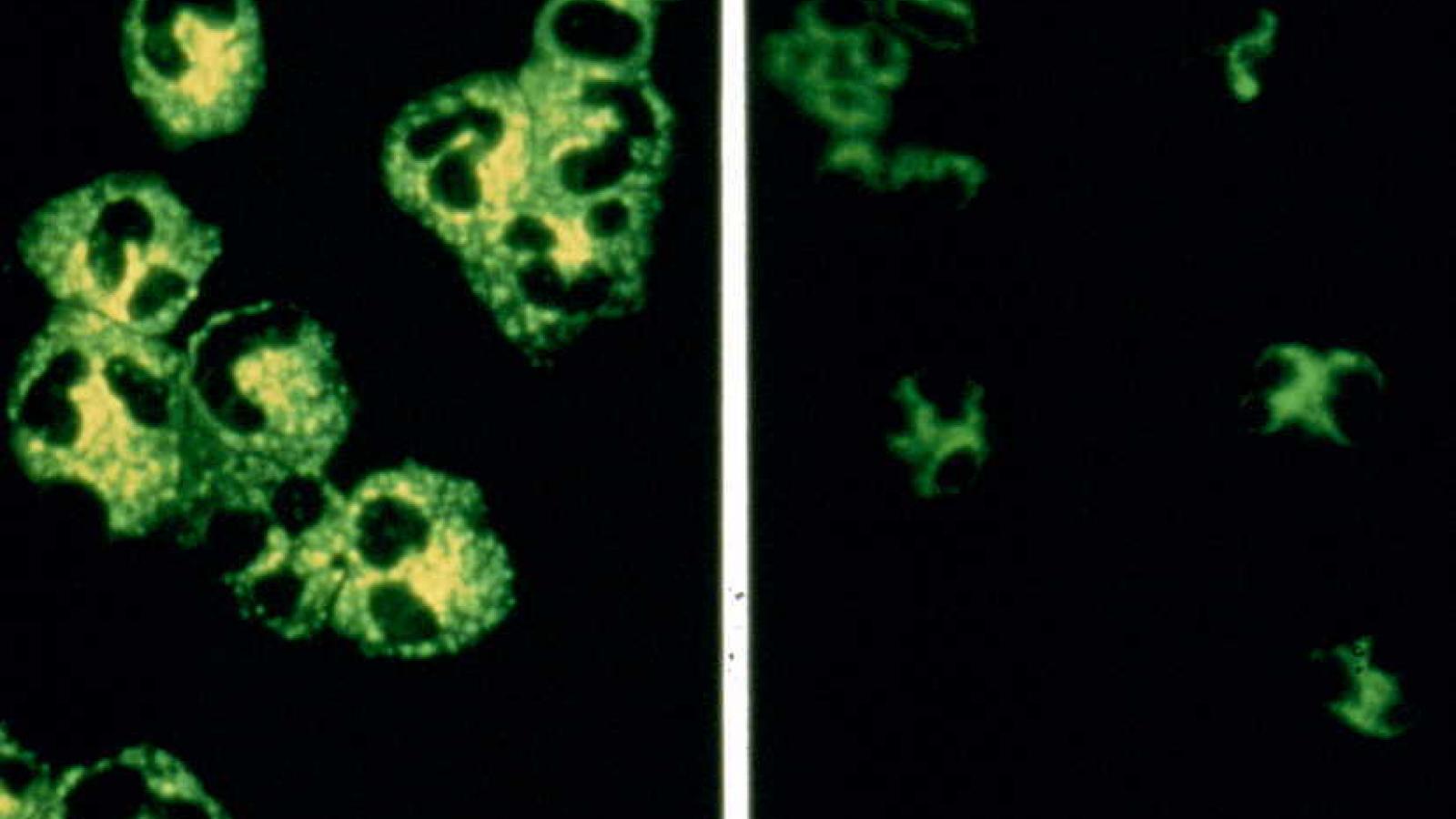
The ACR/EULAR 2022 revised classification criteria for granulomatosis with polyangiitis (GPA) have been updated with performance characteristics and are validated for use in clinical research.

Osteoarthritis is a common chronic condition that usually causes joint pain and can be severe enough to require knee and hip replacements. In the United States, the number of total knee replacement (TKR) and total hip replacement (THR) surgeries is estimated to reach 572 000 per year by 2030. No medications are currently known to prevent or reverse osteoarthritis.

