

The Journal of Rheumatology reports that current smoking significantly reduces the clinical efficacy of methotrexate (MTX)-based therapy, as studied in an early rheumatoid arthritis (RA) cohort.
Using data from the CAMERA-II trial (which included early RA patients) they studied MTX treated patients who were randomized to concomitant prednisone (MTX + pred) or placebo (MTX + PBO) for 24 months.
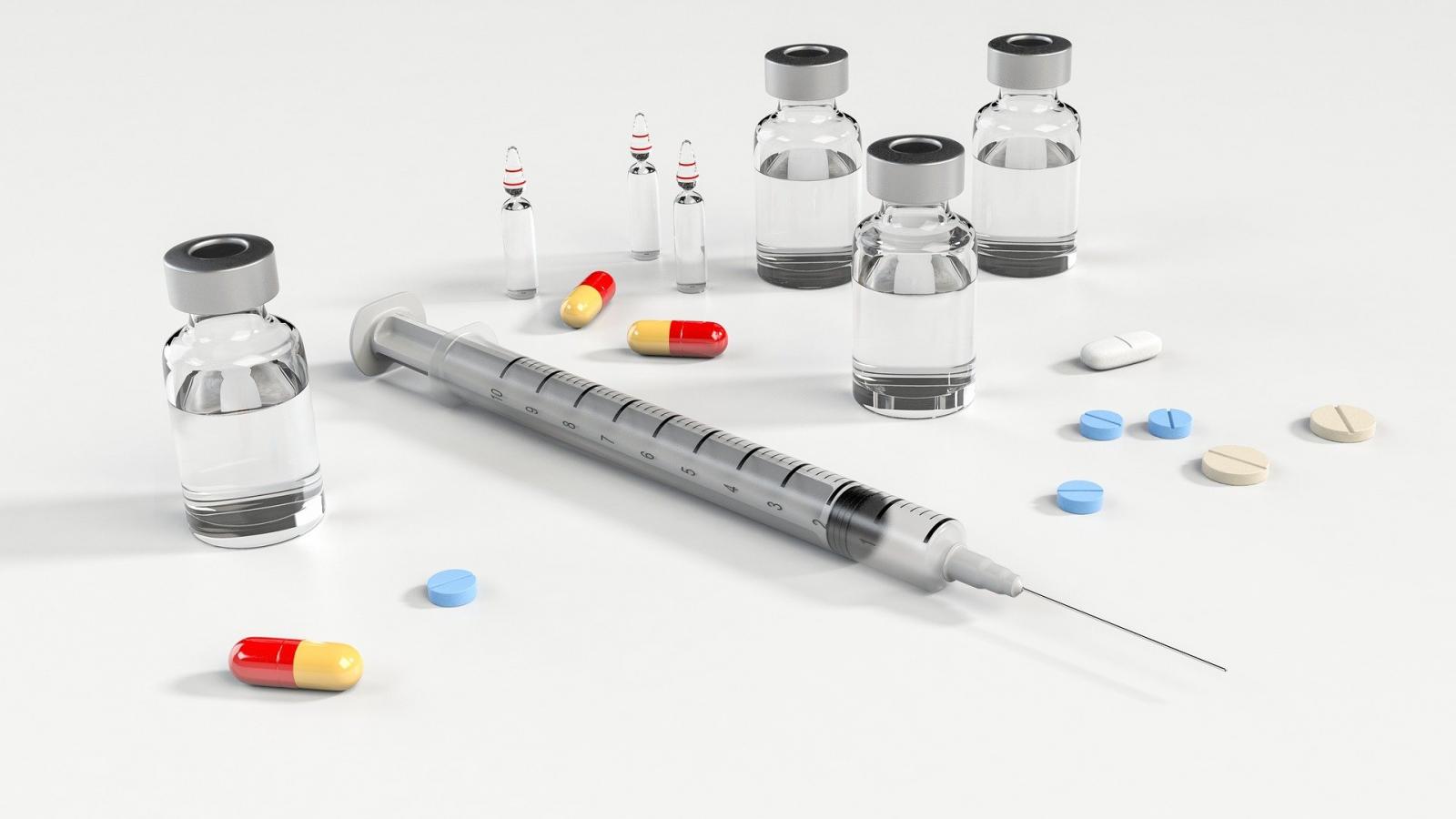
Stevens-Johnson syndrome (SJS) and toxic epidermal necrolysis (TEN) are among the most severe drug reactions, as they come with substantial mortality and morbidity. A review of European centers dealing with SJS and TEN shows that despite best treatment practices, the 6-week mortality rate was 21%.

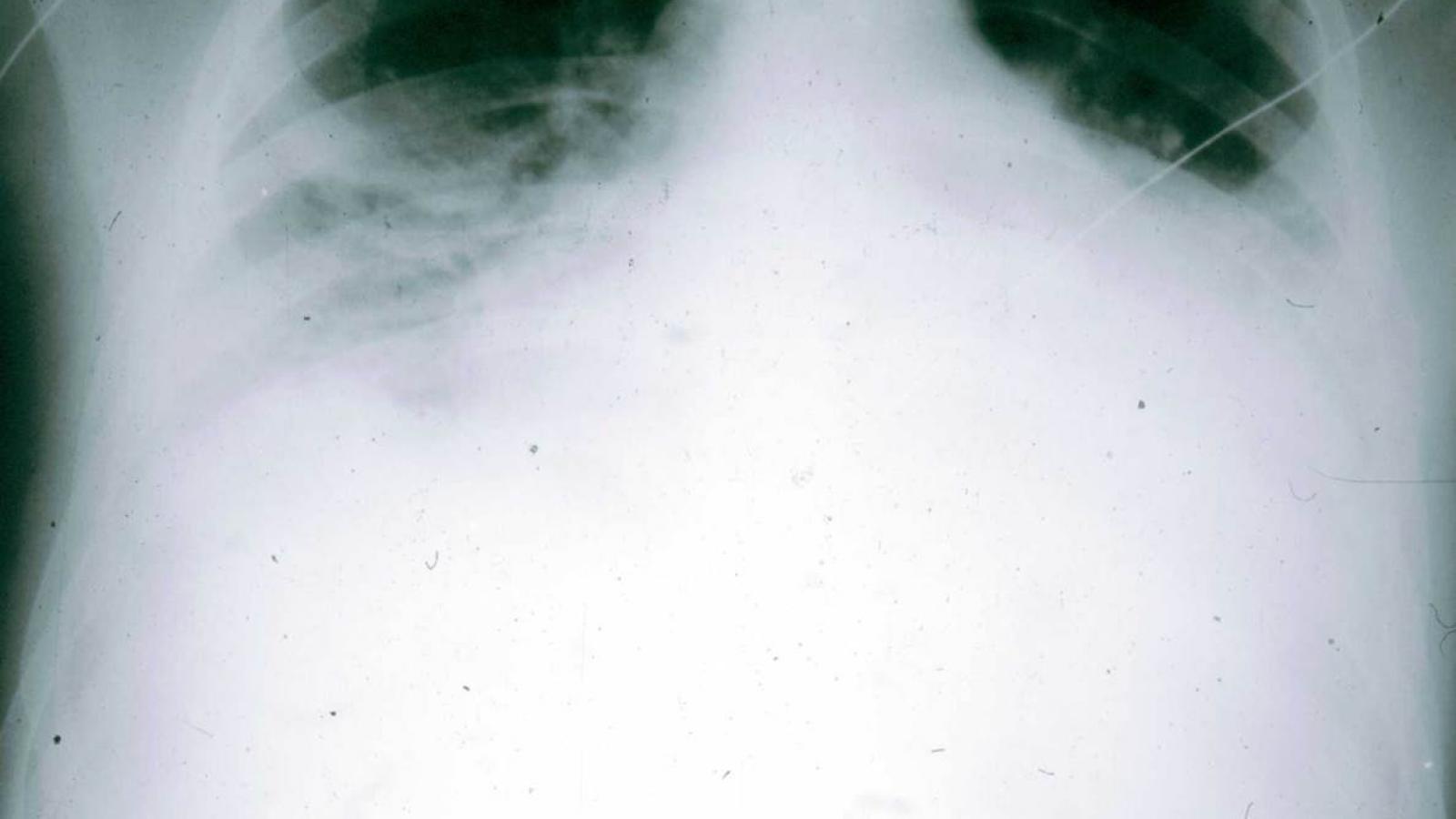
It began as many cases do: an ill patient, in the ICU, with signs and symptoms across several body systems, yet no clear unifying diagnosis on admission. With things stabilizing, the internal medicine hospital team on which I was serving as hospitalist that week assumed care of the patient. As the case unfolded – pulmonary infiltrates that could be hemorrhagic, renal dysfunction with proteinuria – rheumatic diseases rose in the differential.

Patients with rheumatoid arthritis (RA) who had high levels of inflammation at baseline were at increased risk for later heart failure, a large cohort study found.

Registry level data of patients with immune-mediated inflammatory diseases (IMIDs) diagnosed with COVID-19 should continue their TNF inhibitor (TNFi) therapy as such patients were less likely to experience adverse COVID-19 outcomes (compared to other immunomodulatory treatments).
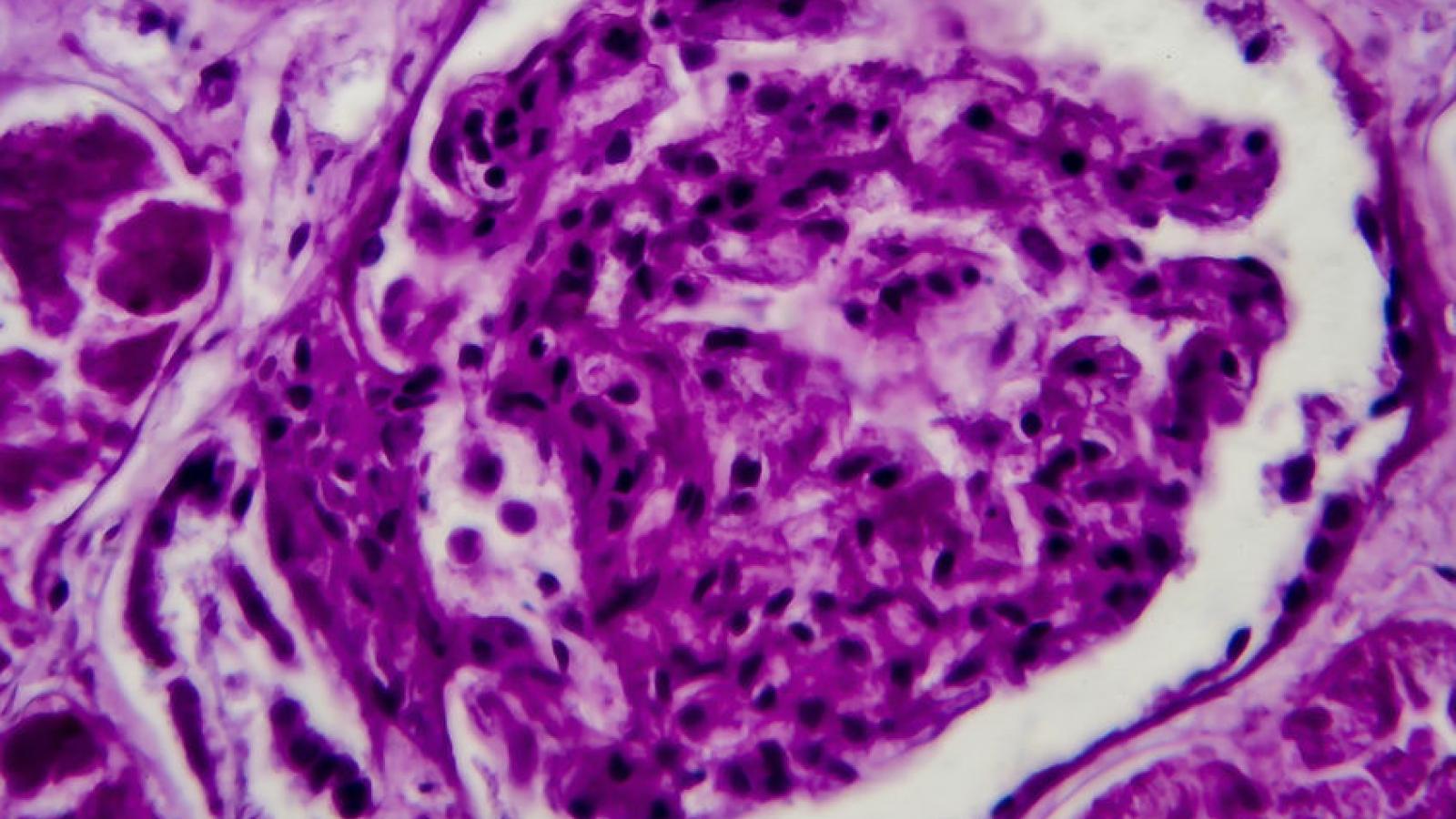
B-cell depletion therapy with obinutuzumab, a type II anti-CD20 monoclonal antibody, in lupus nephritis patients was shown to be effective in in combination with standard lupus therapies.
Prior trials testing the utility of type I anti-CD20 antibody therapies - rituximab and ocrelizumab, failed in patients with proliferative lupus nephritis (LN).
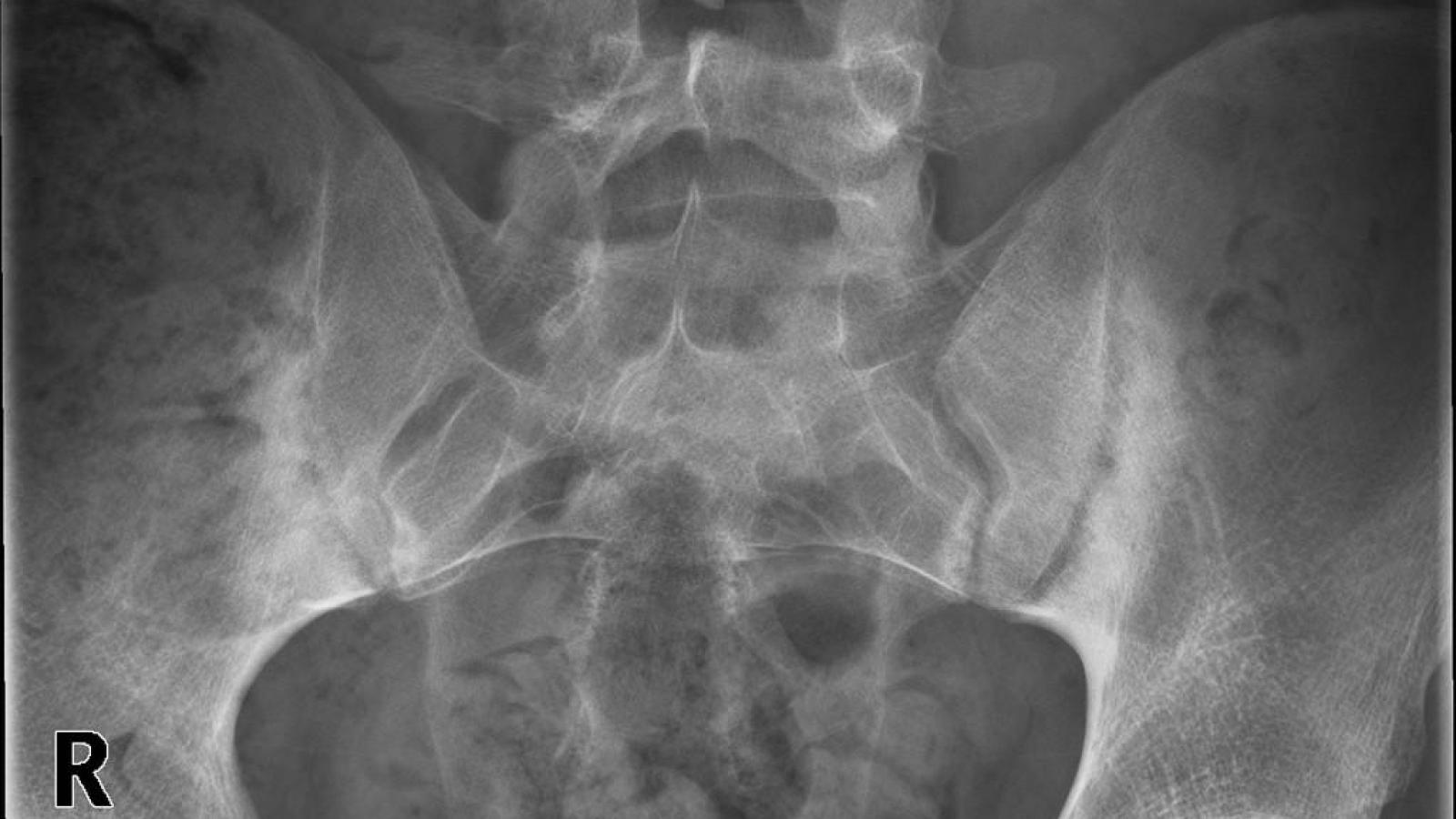
Tight-control or treat-to-target (T2T) strategy is advocated in several diseases, but the recent TICOSPA trial in axial spondyloarthritis (axSpA) showed that T2T was not superior to usual care (UC).
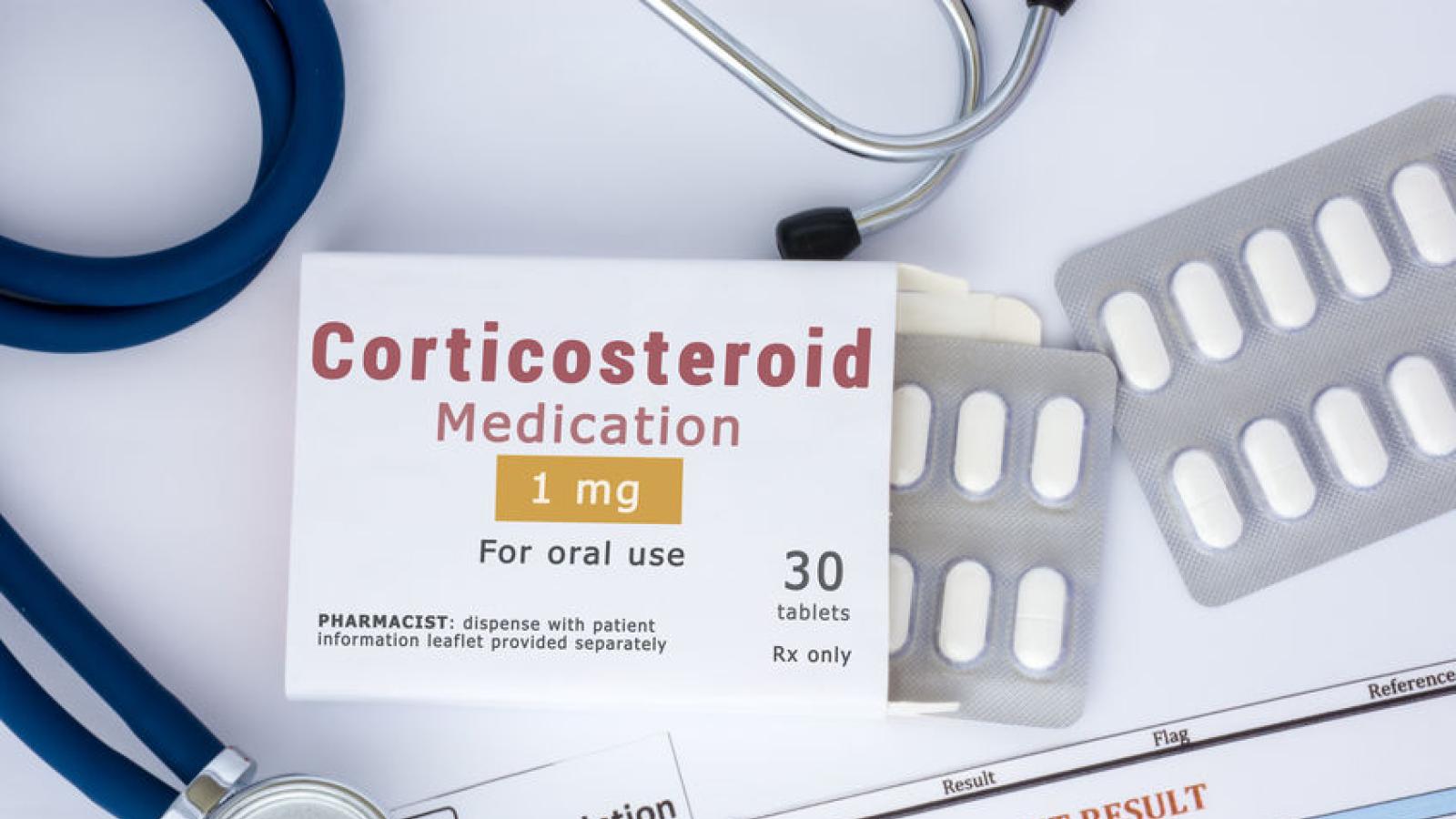
A recent analysis shows thta glucocorticoids (GCs), usually recommended for short-term use in rheumatoid arthritis (RA), are variably used by rheumatologists, and that provider preference is a strong predictors of long-term glucocorticoid use.

Dr. Jack Cush reviews the FDA approvals, news and the latest journal articles from the past week on RheumNow.com.

EULAR has updated its recommendations (points to consider - PtC) for rheumatologists managing patients during COVID-19; now with 2 overarching principles and 12 PtC.
Both systemic onset juvenile idiopathic arthritis (sJIA) and adult-onset Still’s disease are acquired autoinflammatory disorders of uncertain etiology. Yet recent reports of AOSD onset and flare following COVID-19 vaccinations may have important mechanistic implications.

Bernatsky and colleagues have shown cancer risk factors in incident systemic lupus erythematosus (SLE).
Researchers analyzed an SLE cohort of 1,668 patients, over an average of 9 years follow-up and found 65 cancers: 15 breast; 10 nonmelanoma skin; 7 lung; 6 hematologic; 6 prostate; 5 melanoma; 3 cervical; 3 renal; 2 each gastric, head and neck, and thyroid; and, 1 each rectal, sarcoma, thymoma, and uterine cancers.
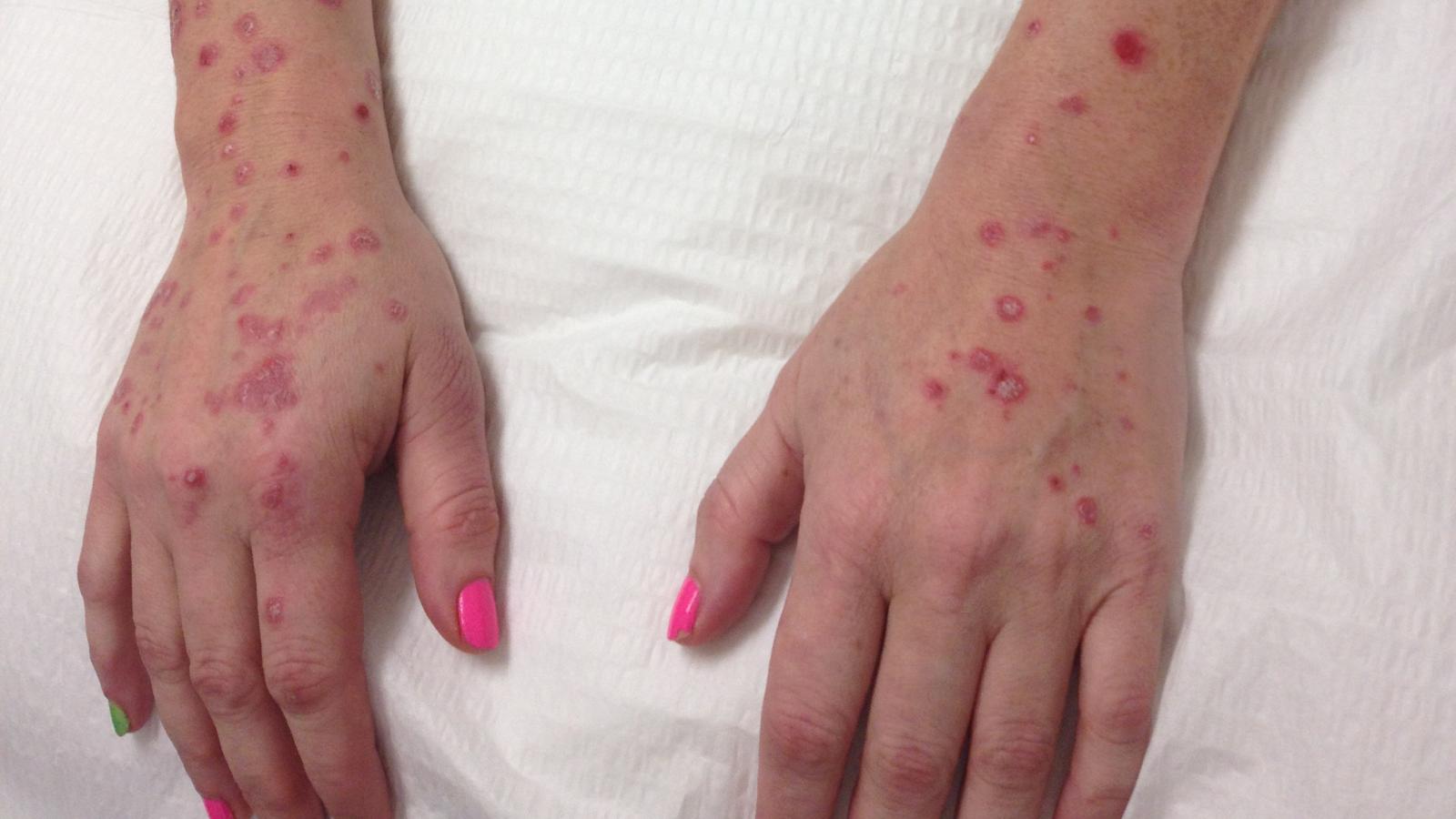
A randomized controlled trial has shown that treatment of plaque psoriasis via costimulatory blockade ( CD28/B7) with abatacept did not prevent psoriasis relapse after withdrawal of ustekinumab.
The purpose of this trial was to determine if abatacept (costimulatory blockade) after ustekinumab withdrawal would prevent clinical or molecular relapse of psoriasis.

Patients with psoriatic arthritis (PsA) or axial spondyloarthritis (axSpA) who were doing well on treatment with tumor necrosis factor (TNF) inhibitors were able to successfully taper the therapy when guided by disease activity, a retrospective cohort study found.
Hepatitis B reactivation is an uncommon complication of biologic therapy use. Now, a serologic study of rheumatoid arthritis patients shows that HBV reactivation is seen with rituximab, and less so with abatacept, especially in patients without hepatitis B antibody (HBsAb) positivity.

