

The progress that has been seen in the management of many aspects of rheumatoid arthritis (RA) has not been paralleled for the pulmonary disease that remains the second most common cause of death among these patients, an Australian expert reported here at the annual meeting of the Florida Society of Rheumatology.

Ambien (zolpidem) is the most widely used prescription hypnotic sedative since its introduction in 1992 and is currently the fourth most frequently prescribed psychiatric drug (2013). Recent US Food and Drug Administration Drug Safety Communications suggest limitations on use to reduce adverse effects. A study of the Medical Expenditures Survey in 2015 revealed that over 3.8 million adults reported using one or more prescriptions for zolpidem.
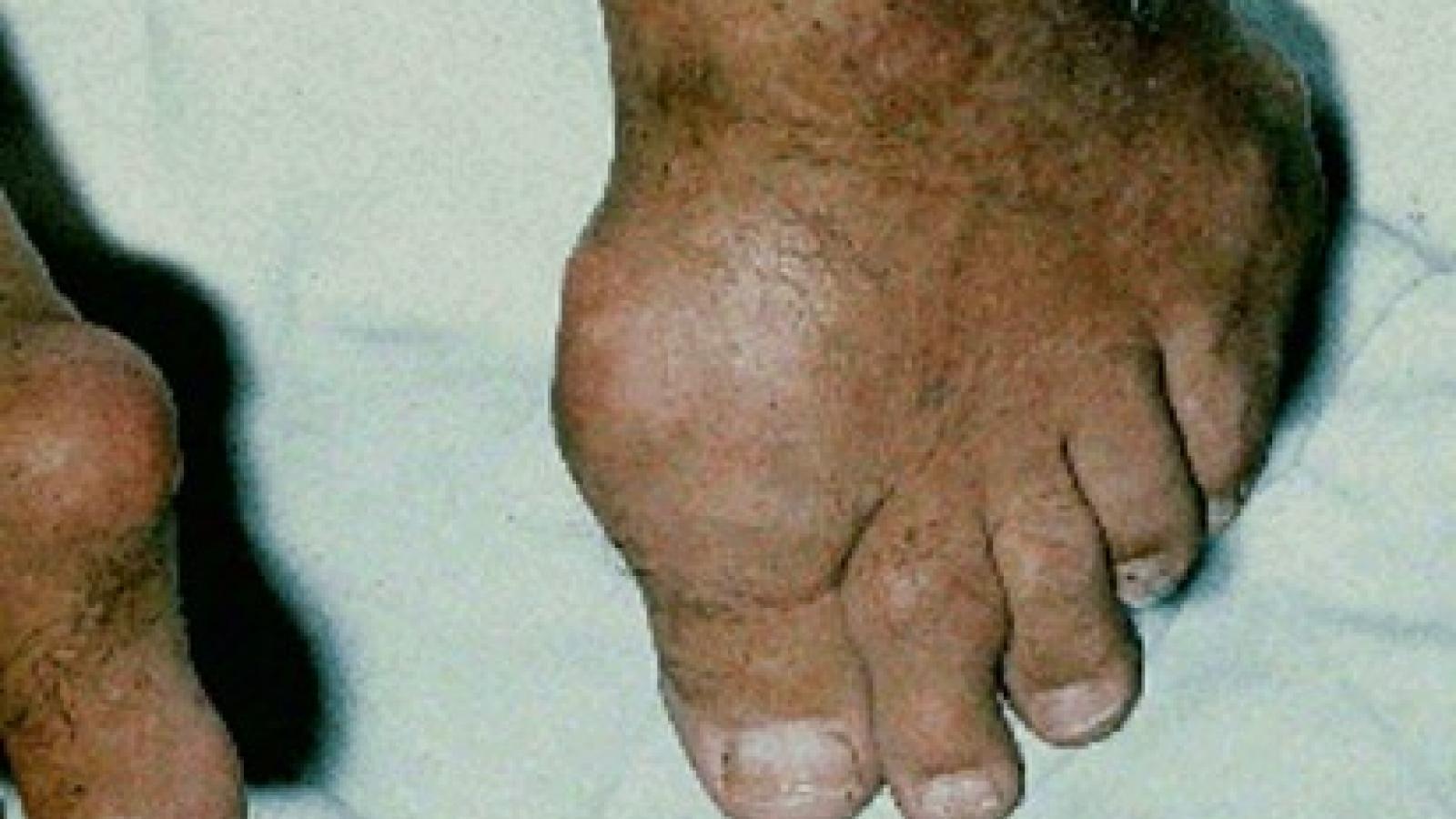
Gout may be an ancient disease, with arthritis of the big toe having been described in Egypt in 2,600 BC, but only now are the underlying pathophysiologic events being elucidated and understood.

Musculoskeletal ultrasound (US) has become a more widely used tool in rheumatology clinical practice. This study of early inflammatory arthritis patients shows that US-defined digit flexor tenosynovitis was more predictive of subsequent rheumatoid arthritis than findings of ACPA positivity or US-defined joint synovitis.

On July 12th the Centers for Medicare & Medicaid Services (CMS) released its proposed rule changes for the 2019 Medicare physician fee schedule. This year, CMS has combined the Medicare physician fee schedule proposed rule with recommendations for the Quality Payment Program (QPP), which will be officially published in the Federal Register on July 27.

New research from a UK study suggests that nonresponse to oral or subcutaneous MTX was seen in 43% and is predicted by seronegativity, higher disease activity measures and higher anxiety scores.

A nationwide survey study analyzed healthcare provider (HCP) employment type (self-employed, employed by private sector, or employed by government) and annual labor earnings (2001 to 2015) and found that the health care landscape is changing with few self-employed practitioners and more being larger organizations.

Dr. Jack Cush reviews the news and journal articles from the past week on RheumNow.com. Fateful outcomes in Rheumatology, what happens to Seronegatives, IL-23 fails, MRI progression, Not all inflammatory back pain becomes SpA:

A Finnish Rheumatology Center followed 435 early, seronegative rheumatoid arthritis (RA) patients for 10-years and found that only 3% became erosive or seropositive RA. They also found that 32% could not be further reclassified, and that the remaining 65% evolve into another diagnosis, led by polymyalgia rheumatica (16%), psoriatic arthritis (11%), spondyloarthritis (9%), and osteoarthritis (10%).

A study from the British Society for Rheumatology Biologics Register (BSRBR) has shown that biologic refractory disease is seen in at least 6% of patients who have ever received a biologic DMARD (bDMARDs).

In patients with juvenile dermatomyositis (DM), an association was seen between low nailfold capillary density and pulmonary involvement, European researchers reported.
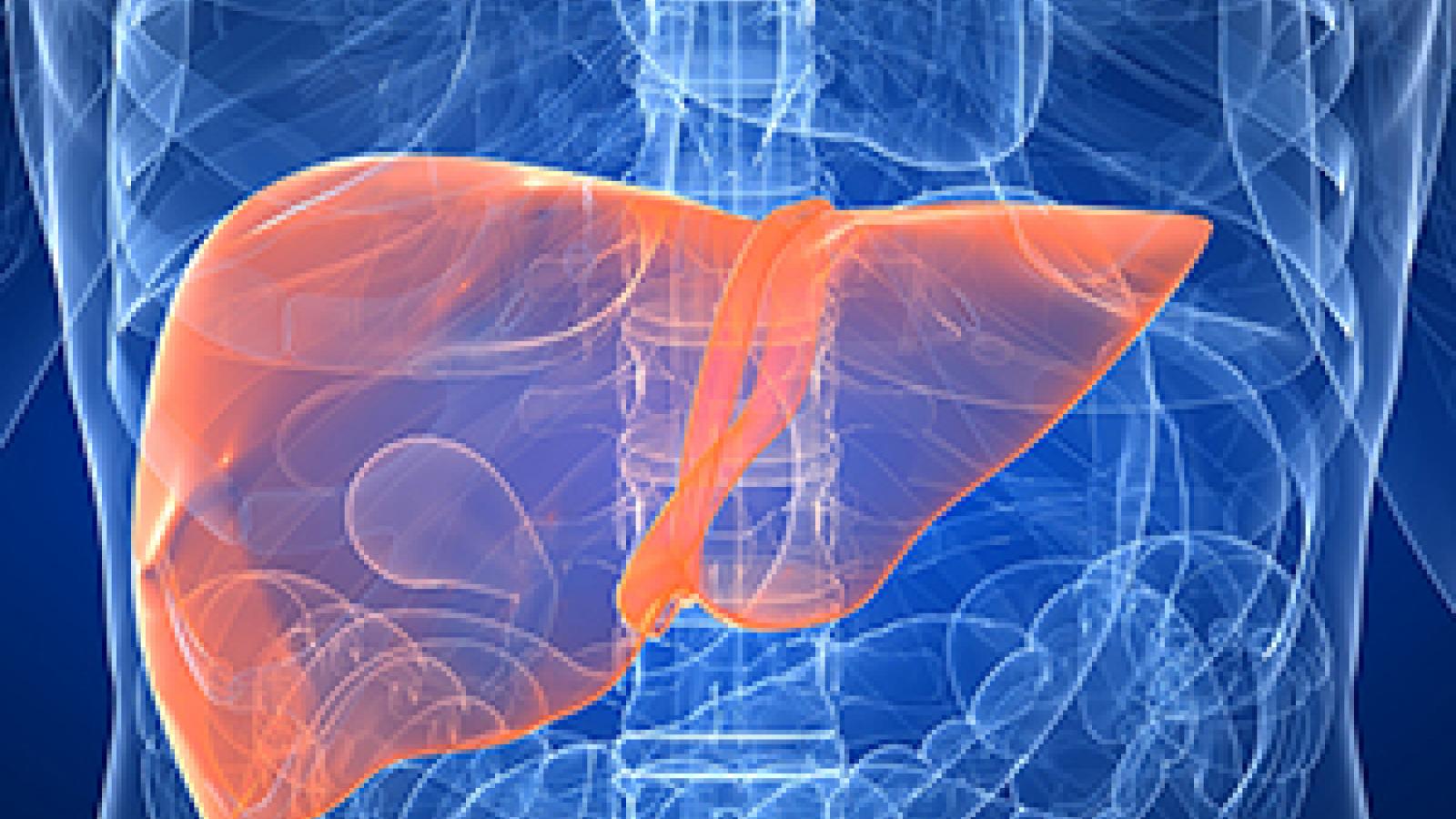
An observational case-control study has shown that psoriasis is associated with an increased prevalence of nonalcoholic fatty liver disease (NAFLD).
A single center, outpatient dermatology clinic studied 151 patients with psoriasis and 51 control subjects with ultrasonography to diagnose NAFLD.
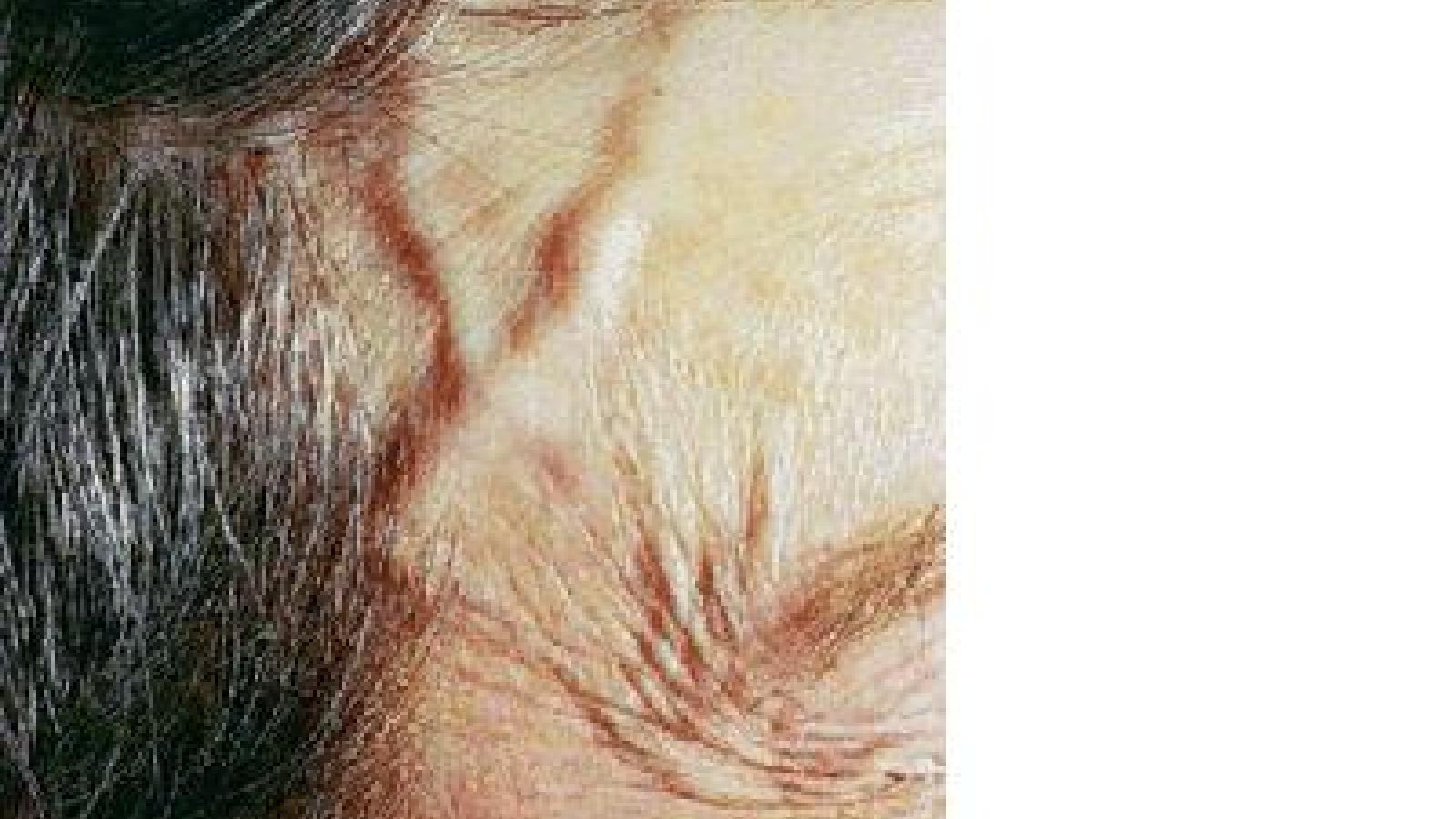
A study of the IL-23 risankizumab in active ankylosing spondylitis (AS) patients failed to show efficacy and did not meet primary efficacy endpoints in a 6-month trial.
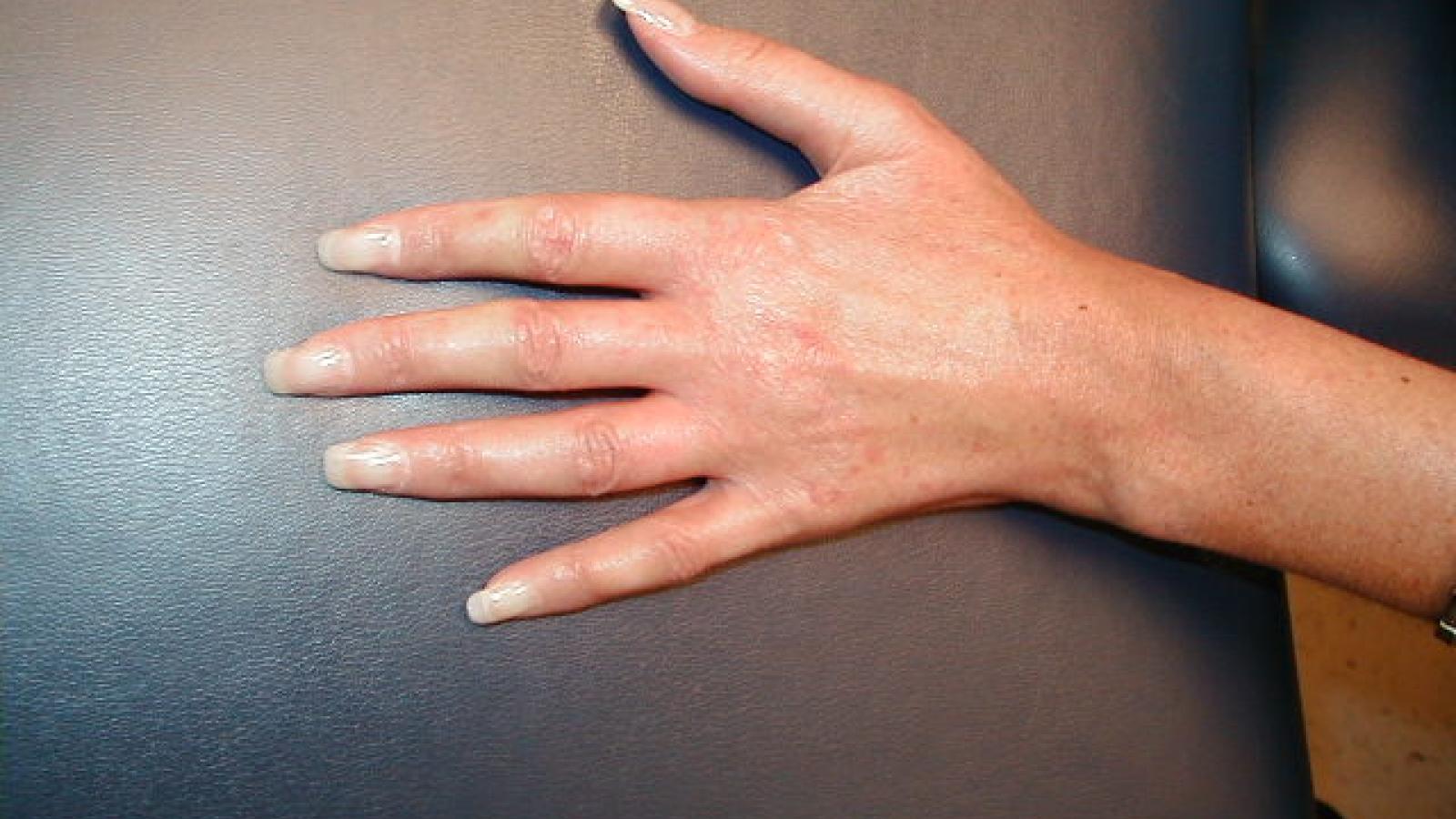
Systemic sclerosis is more common in the United Kingdom than previously reported, a nationwide population-based study determined.

